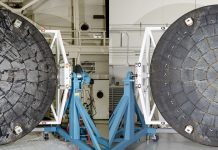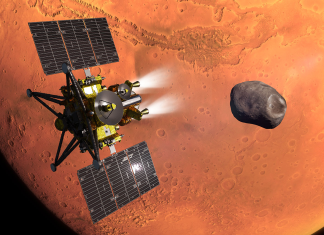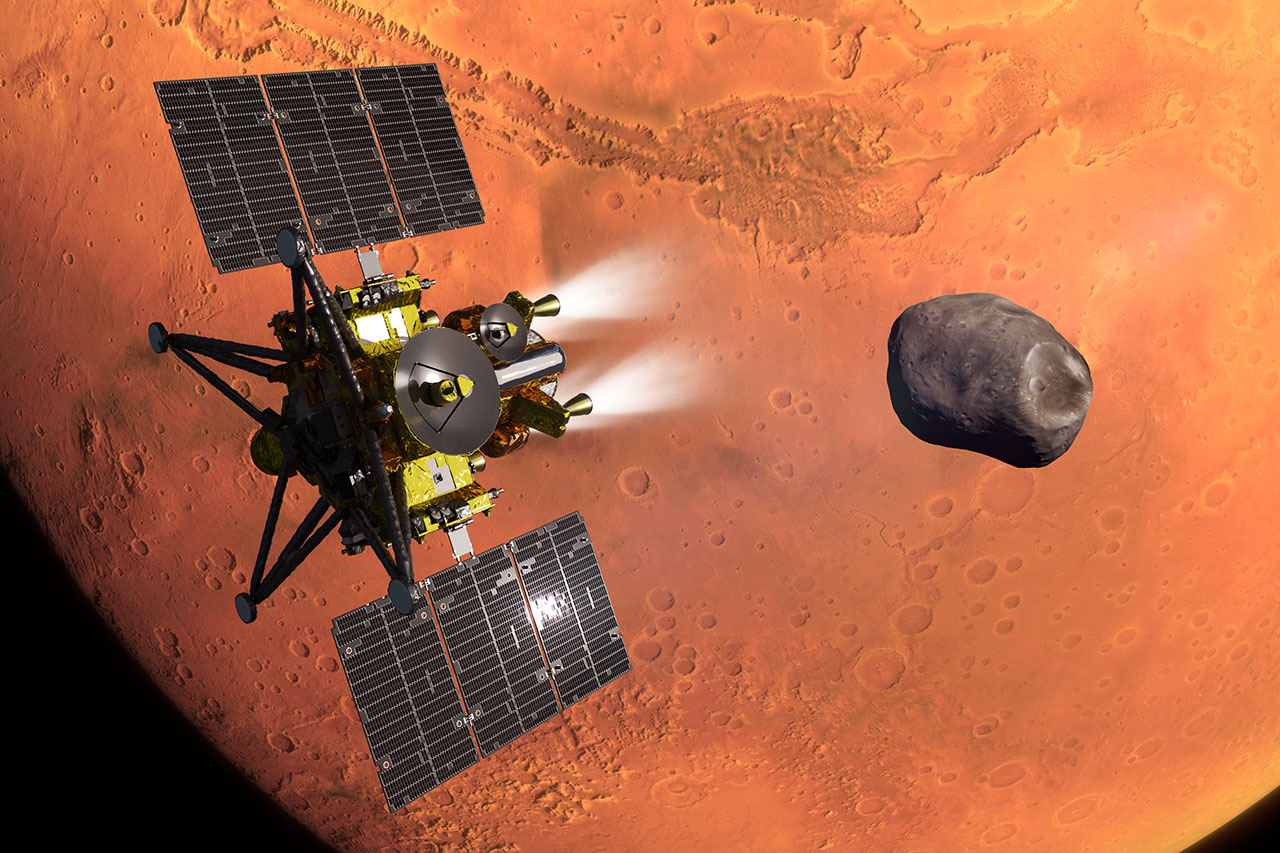
NASA is lending its expertise to Japan’s groundbreaking Martian Moons eXploration (MMX) mission, a crucial endeavor aimed at understanding the enigmatic origins of Mars’ two moons, Phobos and Deimos, and potentially bringing a piece of Phobos back to Earth. This collaboration significantly advances humanity’s ongoing exploration of the Red Planet and provides vital context for future human missions to Mars.
Unlocking the Secrets of Martian Satellites
The MMX mission, led by the Japan Aerospace Exploration Agency (JAXA), is set to launch from Japan’s Tanegashima Space Center on October 19, 2026. A primary objective is to determine whether Phobos and Deimos are captured asteroids or the remnants of a colossal impact on Mars. The answer to this question is fundamental to understanding the early history of our solar system, including how planets like Earth may have acquired water and organic compounds essential for life.
“The samples from MMX will bring forth paradigm-shifting science on the Mars system for generations to come, especially as NASA prepares to send the first humans to Mars,” stated Nicky Fox, associate administrator of NASA’s Science Mission Directorate. “The NASA-JAXA sample curation partnership is extremely valuable… and I am proud that NASA Science is supporting MMX sample curation and will be sharing portions of these samples for study as we continue to expand humanity’s understanding of the universe for the benefit of all.”
NASA’s Crucial Contributions to MMX
NASA’s involvement is multi-faceted, bringing key technologies and scientific participation to the mission:
- MEGANE Spectrograph: This instrument, short for Mars-moon Exploration with Gamma rays and Neutrons, will analyze the chemical elemental composition of Phobos by measuring neutron and gamma ray emissions from its surface, offering critical clues about its origin.
- Pneumatic Sampler (P-Sampler): Developed to collect surface material from Phobos, the P-Sampler utilizes bursts of high-pressure nitrogen gas. This complements JAXA’s own sampler, designed to collect core samples.
- Deep Space Network Support: NASA’s global network will provide essential communications and navigation services for the MMX spacecraft.
- Scientific Partnership: NASA is funding U.S. scientists to participate in the MMX science team, collaborating with international colleagues to analyze mission data and returned samples.
The MMX spacecraft is scheduled to reach Mars in August 2027. After an extensive survey of Phobos, the mission plans to collect a surface sample no earlier than December 2028, with the ambitious goal of delivering it to Earth in 2031. NASA will receive and curate approximately 15% of the returned sample at its Johnson Space Center Astromaterials Lab, making it available for research for decades to come.
Source: NASA