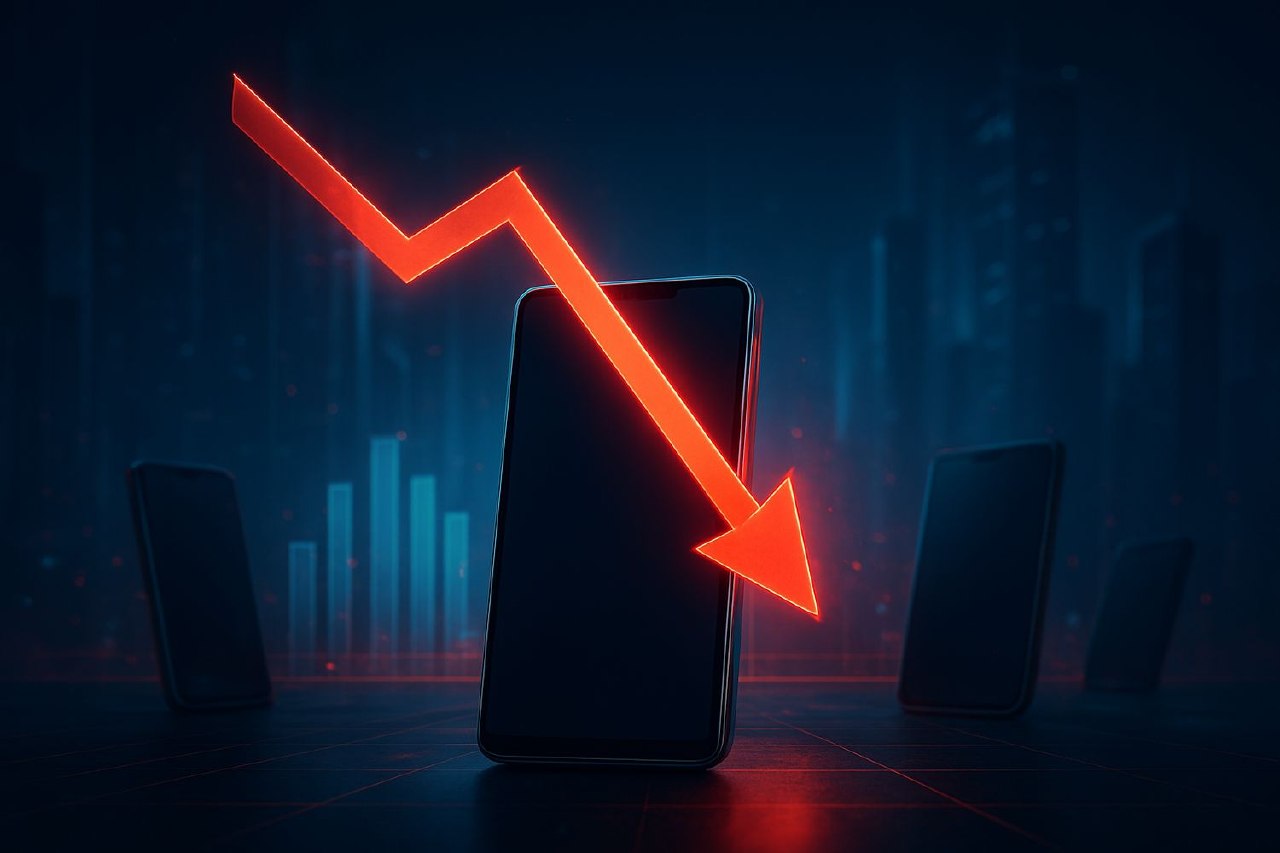
The global smartphone market is navigating its most severe downturn on record. According to a new report from analytical firm IDC, device shipments plummeted by a staggering 22% in the third quarter of 2026 compared to the same period last year. Experts warn that the most challenging phase for the industry is still ahead.
Deep Dive into the Downturn
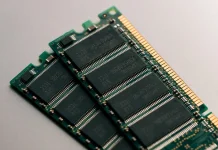
Analysts attribute the sharp decline in sales primarily to a dramatic surge in memory chip prices. The cost of data storage components, fueled by demand from the artificial intelligence sector, has reportedly soared by approximately 350% over the past year. This spike has placed significant pressure on the profitability of smartphone manufacturers.
In response to these escalating costs, manufacturers have implemented several strategies:
- Price Hikes: To offset the increased component expenses, companies have raised the retail prices of their smartphones.
- Reduced Specifications: Some manufacturers have opted to decrease memory capacity or other key device features to maintain a semblance of affordability.
- Shifting Away from Budget Models: Brands focusing on the budget segment have been hit particularly hard. IDC data indicates that Chinese brands such as Xiaomi and OPPO have faced considerable difficulties.
Resilience and Vulnerability Among Brands
While the overall market contraction has impacted the entire industry, some players have demonstrated greater resilience. Apple and Samsung Electronics, bolstered by their extensive portfolios of high-end and flagship devices, have been better positioned to weather the storm of rising prices. Premium models typically command higher profit margins, allowing these companies to mitigate the financial impact more effectively.
Long-Term Implications and Forecasts
IDC anticipates that the smartphone industry is undergoing fundamental structural changes. Market growth is not expected to rebound until 2028 at the earliest. The persistent rise in component costs, coupled with manufacturers’ focus on promoting flagship and ultra-premium devices, is projected to lead to a sustained reduction in overall market volume.
Conversely, companies with strong market positions, like Apple, which benefit from broad distribution channels and a wide array of high-priced products, are likely to increase their market share. This suggests a future where fewer consumers purchase smartphones, but those who do will opt for more expensive devices.
“The current figures indicate that the market has not yet hit rock bottom. Memory prices have surged by approximately 350% since last year and continue to rise, creating immense pressure on manufacturers’ profits and shipment volumes. The most difficult period is still ahead,” stated Nabila Popal, Research Director at IDC.
The current market situation raises concerns, as smartphones have become indispensable devices in modern life. Further price increases and potential reductions in device variety could significantly impact technology accessibility for a broad range of consumers.