Renault Group is set to significantly reshape its French workforce by adding 2,000 production roles and cutting up to 1,000 white-collar positions by 2028. This strategic move aims to bolster production of its growing electric vehicle (EV) lineup in response to surging demand across Europe, fueled in part by rising gasoline prices.
Boosting EV Production Amid Shifting Market
The announcement, first reported by French newspaper Les Echos, highlights Renault’s proactive approach to adapting its manufacturing capabilities. The company plans to hire 1,650 frontline factory workers, 250 production support staff, and 100 young graduates. Simultaneously, a voluntary departure program will be implemented to reduce the white-collar workforce by as many as 1,000 employees.
This workforce adjustment will impact all of Renault’s industrial operations in France, including quality control and supply chain departments. Importantly, frontline production workers will not be affected, safeguarding the jobs directly involved in vehicle manufacturing. Renault’s industrial activities in France currently employ approximately 17,500 people.
Strategic Response to Competition and Electrification
The decision follows a broader restructuring initiative announced in June, which saw Renault reorganize its engineering and R&D divisions. The goal of that reorganization was to reduce costs, accelerate development cycles, and enhance competitiveness against emerging rivals, particularly from China. The current workforce changes are seen as a continuation of this strategic realignment.
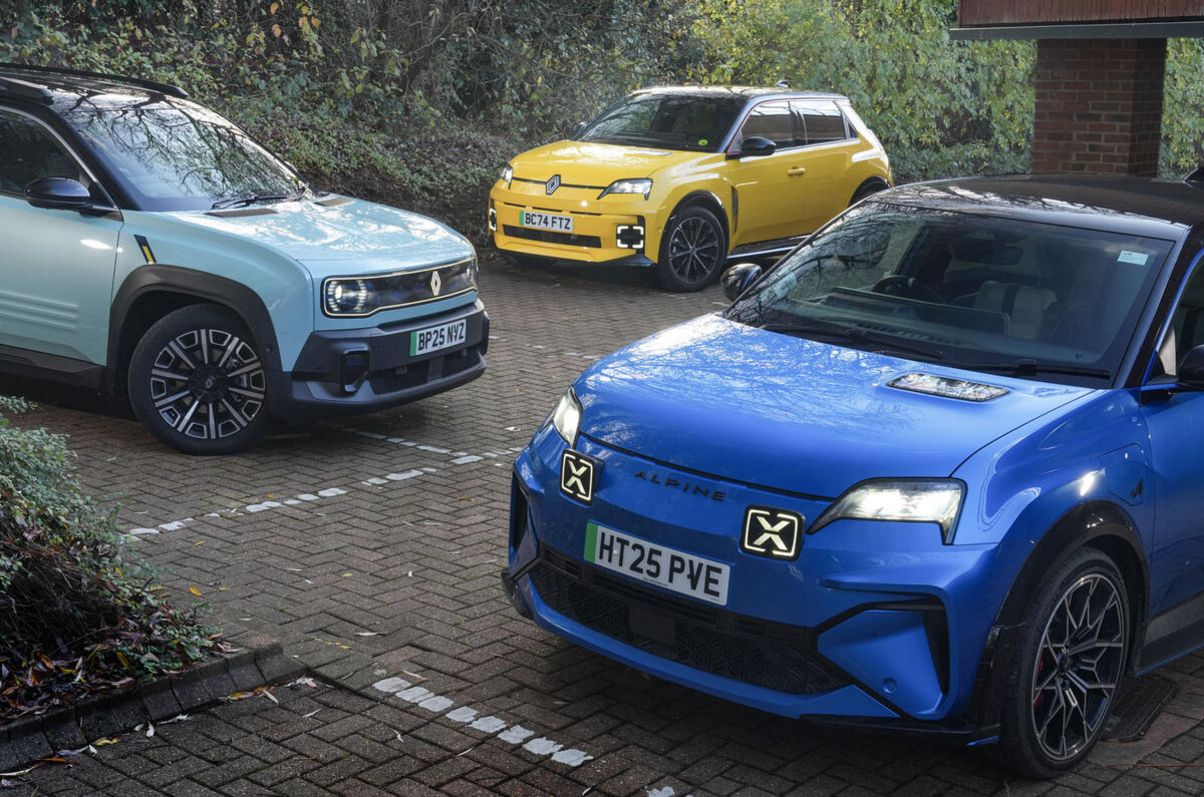
Thierry Charvet, Renault Group’s Industrial Director, emphasized the strong performance of key electric models, such as the Kangoo van and the highly anticipated Renault 5. “The commercial success of our electric vehicles, particularly the Kangoo van and the Renault 5, is supporting our growth,” Charvet stated. He also acknowledged the increasing competitive pressure, noting, “We have been relatively protected from competitive pressure in these segments over the past few years, especially from Chinese manufacturers. But we know it is coming, and we saw it at the Paris Motor Show in October.”
Training and Adaptation for Future Challenges
Renault is also investing in its existing workforce by planning nearly 500,000 hours of employee training. This comprehensive training program is designed to facilitate internal mobility, enabling employees to transition into new roles and adapt to the evolving demands of the automotive industry. The company is also restructuring its organization to better navigate the challenges posed by advancements in robotics, artificial intelligence (AI), and electrification.
Sources indicate that Renault is currently in negotiations with labor unions regarding the new plan, with discussions having recently commenced. The company’s dual strategy of expanding its production workforce while streamlining administrative and support roles underscores its commitment to navigating the complexities of the automotive industry’s transition to electric mobility and advanced manufacturing technologies.