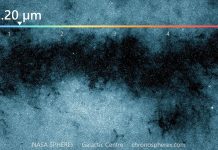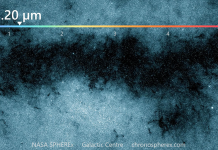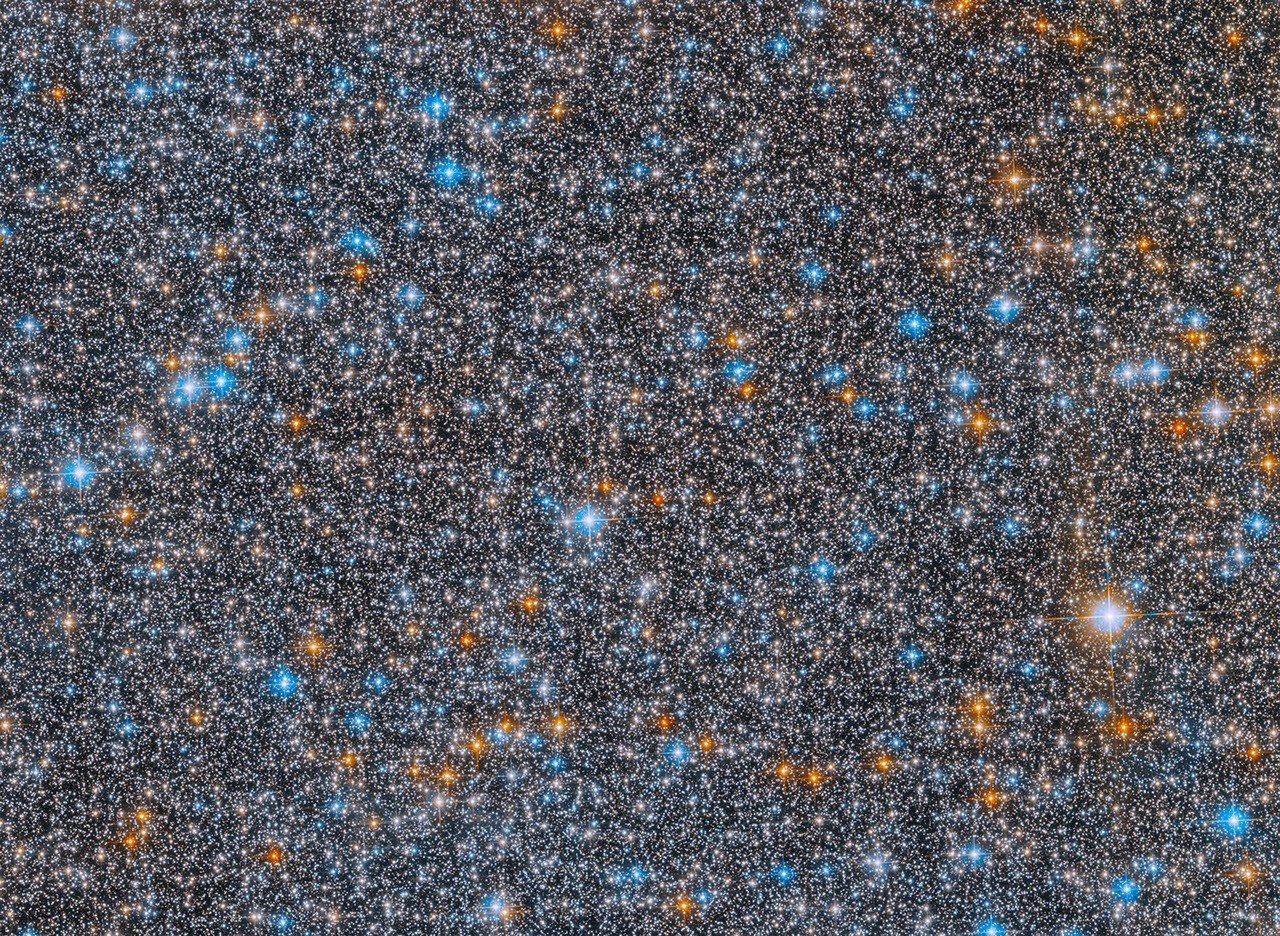
NASA’s Hubble Space Telescope has captured a breathtaking vista of our Milky Way’s crowded galactic core, offering a crucial foundation for upcoming observations by the Nancy Grace Roman Space Telescope. This stunning image, a detailed look at an “ocean of stars,” will help scientists better understand the densely packed region surrounding our galaxy’s center and prepare for Roman’s ambitious exoplanet hunting mission.
Mapping Our Galactic Neighborhood
The galactic bulge, a spherical collection of stars at the heart of the Milky Way, contains nearly a quarter of our galaxy’s total stellar mass. While we can admire the glow of similar regions in distant galaxies, they are too immense and far away to resolve individual stars. Hubble’s high-resolution capabilities allow it to distinguish these individual stellar beacons, providing invaluable data on their brightness, ages, and composition. This detailed knowledge is essential for interpreting future observations from the Roman Space Telescope, which will survey this busy region with its wider field of view.
Aiding the Hunt for New Worlds
A primary goal for the Roman Space Telescope is the search for exoplanets using a technique called microlensing. This phenomenon occurs when the gravity of a star and any planets it hosts bends and magnifies the light from a more distant star. By studying the light distortions, astronomers can infer the presence and characteristics of these unseen planets. Hubble’s detailed observations of individual stars in the galactic bulge will serve as a vital reference point. When Roman detects a microlensing event, scientists can compare the Hubble data of the foreground star with the Roman data of the event, making it significantly easier to analyze and understand the planetary systems involved.
Source: NASA