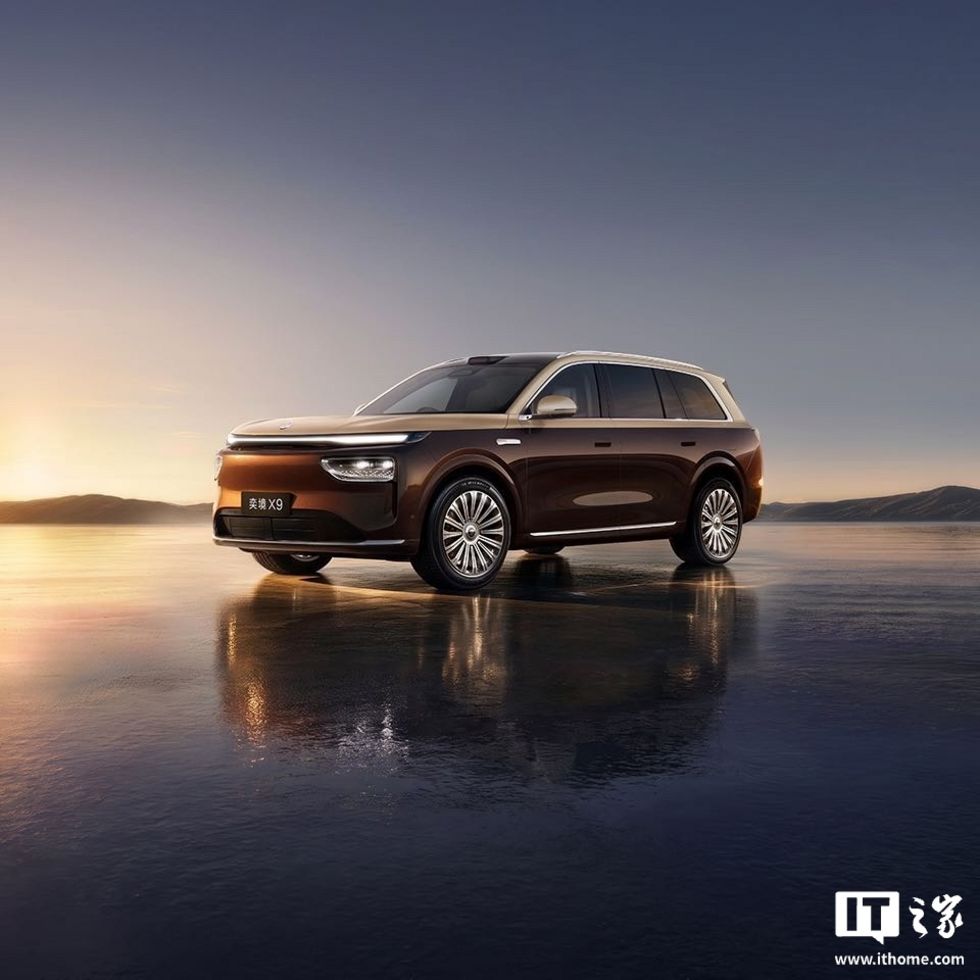
The four lidar solution is emerging as a front-runner for L3-level autonomous driving hardware, according to Yijin Automotive’s general manager Zeng Qinglin. He shared compelling data revealing the rapid growth in smart driving adoption in China, emphasizing hardware’s critical role in user experience and reliability.
Smart Driving Adoption Surges with Real User Engagement
Zeng Qinglin cited government data showing that since 2026, over 70% of new passenger cars feature driver assistance systems, marking a shift from electric powertrains to intelligent vehicles. He also referenced Huawei’s smart driving service data revealing that more than 90% of owners actively use these capabilities daily.
From his own experience driving the Yijin X9, Zeng confirms over 90% of his trips are handled by smart driving features, with many users reporting significant time savings and convenience, such as effortless parking in tight spaces.
Hardware Challenges and the Need for Four Lidar Units
Addressing the limitations of current smart driving hardware, Zeng noted that cameras fall short in adverse conditions like rain, night, and detecting small objects. Regardless of powerful algorithms, incomplete or inaccurate sensing leads to unreliable systems.
To overcome these weaknesses, he stressed that expanding lidar sensor quantity and strategic placement is indispensable. His firm advocates a four lidar setup as an all-in-one hardware solution tailored for Level 3 autonomous driving, aiming to provide consistent performance under varied environments.
Previously, Yijin launched the X9 model equipped with Huawei’s full-stack intelligent driving architecture, HarmonyOS cockpit, and advanced cloud and communication platforms. The company also plans to debut an all-electric X9 version featuring an ultra-broadband kilovolt charging platform to boost charging speed and convenience.