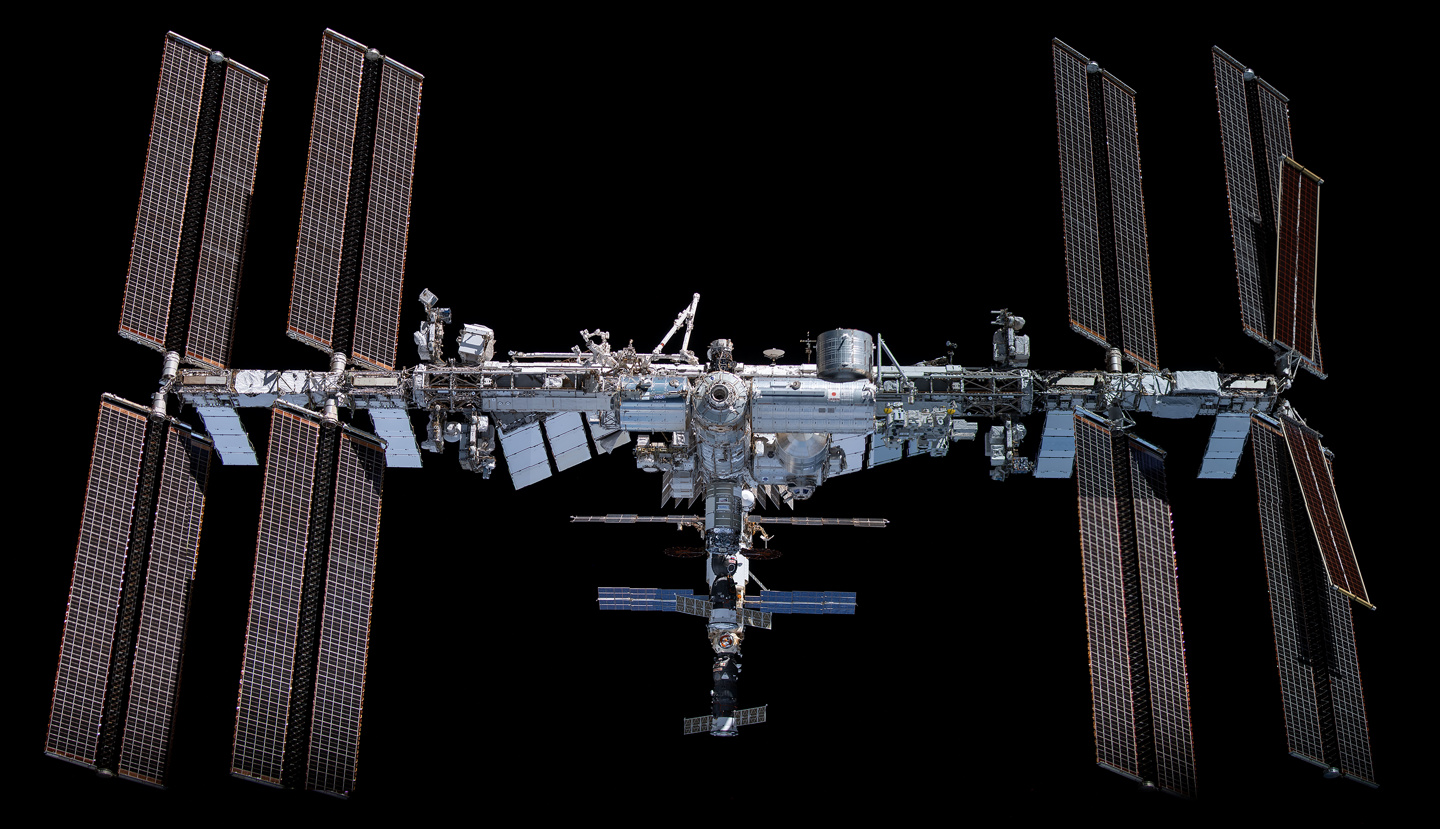
Japan is planning to host an artificial intelligence (AI) robot competition aboard the International Space Station (ISS), with the earliest possible launch in 2027. This initiative aims to foster the development of next-generation space engineers by having teams control robots using AI to accomplish specific tasks.
Space AI Robot Association (SAIRA) at the Helm
The competition is being organized by the newly formed Space AI Robot Association (SAIRA), established in July of this year. SAIRA’s core mission is to advance technologies in space, AI, and robotics through collaborative efforts involving universities, corporations, and research institutions.
Competition Format: From Ground to Orbit
The competition will commence with preliminary rounds conducted on Earth, simulating space station environments. These ground-based trials will serve to test and refine the AI models developed by the participating teams.
Teams that successfully navigate the initial stages will advance to the ISS. Once in orbit, they will utilize their proprietary AI models to remotely control a spherical robot drone known as Int-Ball2. This operation will take place within Japan’s ‘Kibo’ laboratory module, a dedicated experimental facility on the ISS.
The Growing Importance of Space Robotics
This ambitious project comes at a time when the space robotics market is poised for significant growth. According to data from market research aggregator Global Information, the space robotics market is projected to reach $12.4 billion by 2035. This represents a substantial increase, approximately doubling its size compared to the market in 2026.
The development and deployment of AI-powered robots in space are crucial for various future space missions, including exploration, maintenance, and scientific research. Competitions like the one envisioned by SAIRA are vital in nurturing the talent and innovation required to meet these growing demands.
By engaging future engineers in such a unique and challenging environment, Japan hopes to inspire a new generation of innovators capable of pushing the boundaries of space exploration and technology.