In a candid interview, Volkswagen Group’s design chief, Andreas Mindt, has voiced his strong disapproval of the trend towards deliberately aggressive and intimidating car exteriors. He believes this pursuit of a “fierce” look is ultimately meaningless and detracts from a more positive automotive culture.
Challenging the “Aggressive Aesthetics” Trend
Mindt stated in an interview with Autoweek that car manufacturers’ deliberate effort to make vehicles appear menacing is “pointless.” He argued that there’s no inherent need for cars to be designed in a way that seems intended to scare other road users. Some manufacturers, he noted, may be adopting this tactic believing that drivers seeing an intimidating vehicle approaching in their rearview mirror might be more inclined to yield.
“Brands do this because they want to look cool. We don’t want that,” Mindt explained. “You can think you’re the strongest, but if you’re not, it’s pointless. Why can’t cars look friendlier? I want to live in a friendly world. I don’t want to live in a world where cars are designed to kill zombies, I really don’t want to live in such a stupid world.”
Beyond Aesthetics: Design’s Societal Impact
Mindt’s concerns extend beyond mere aesthetics; he believes car design influences how people perceive each other, particularly amidst the ongoing transition to electric vehicles (EVs) in Europe. He feels that automotive design should not create division or foster a sense of superiority.
“Car design shouldn’t make people choose sides,” he asserted. “It shouldn’t be like, ‘Look, I’m doing the right thing, I’m driving an EV. My car clearly looks electric, so I’m better than you. You’re the bad guy because your car is spewing black smoke and polluting the environment.'”
Mindt expressed his strong opposition to this kind of societal division. He suggested a more inclusive approach, especially for those not yet ready to switch to EVs: “I think it’s terrible to divide society like this. For those who don’t want to drive an EV yet, you should say: ‘Look, fuel prices are really high right now, right? Why not give it a try?'”
Rethinking EV Design Language
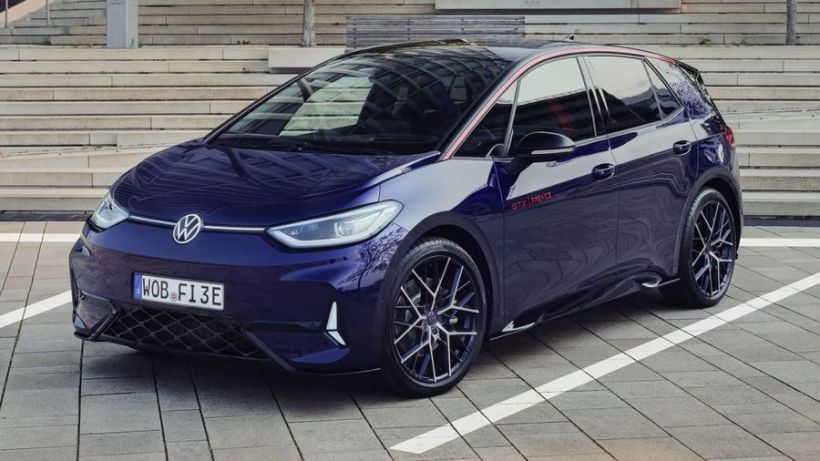
Reflecting on past design choices, Mindt admitted that Volkswagen might have gone too far in intentionally creating a strong futuristic identity for its ID. series. He now believes that electric vehicles don’t necessarily need to look drastically different from internal combustion engine (ICE) cars solely to emphasize their powertrain.
He was particularly critical of the pre-facelifted ID.3, stating, “It didn’t look like a real Volkswagen. You couldn’t see the VW DNA; you could almost say it looked like a product from another brand.”
In response to this feedback and consumer input, the recently launched ID.3 Neo de-emphasizes its “electric vehicle” identity. Similar to the smaller ID. Polo, the new model incorporates more physical controls and omits the controversial touch-sensitive slider, addressing customer preferences.
Brand Identity and Design Freedom
However, Volkswagen Group is not abandoning bold design altogether. Mindt clarified that distinct brand identities are crucial. For brands like Lamborghini and SEAT’s performance sub-brand CUPRA, a more exaggerated and aggressive design language is considered appropriate and aligned with their specific market positioning and brand ethos.
The overarching message from Mindt is a call for more thoughtful and less divisive automotive design, one that fosters a sense of friendliness and inclusivity rather than unnecessary aggression, even as the industry rapidly evolves towards electrification.