The American battery startup scene, facing headwinds from shifts in electric vehicle incentives, is finding a new and vital market in defense. With the ‘One Big Beautiful Bill’ altering the landscape for EV and battery-related benefits, many companies have turned their attention to powering critical defense equipment.
A Shift Towards National Security
Recognizing this pivot, the U.S. Department of Energy has announced a significant initiative, allocating $500 million to bolster the domestic battery supply chain. This funding aims to reduce reliance on foreign suppliers, strengthen national security, and promote American energy leadership. A substantial portion of these funds is directed towards promising battery startups.
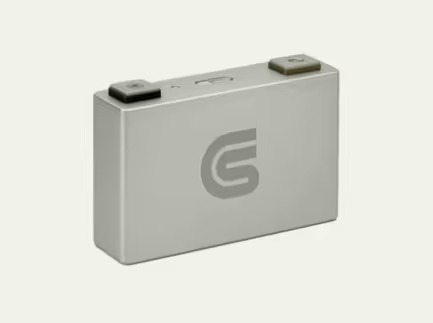
Coreshell, a startup specializing in battery materials, highlighted the growing importance of lithium-ion batteries in the defense sector. A spokesperson for Coreshell stated that these applications are “definitely part of the conversation.” The company recently secured investment from ADS Ventures, a defense supplier, and is collaborating with an autonomous systems provider. Coreshell itself received $50 million from the Department of Energy to expand its production capacity for metallurgical silicon anode materials.
Key Funding Recipients and Their Projects
Other battery startups are also benefiting from substantial government backing:
- Lilac Solutions: This company, focused on extracting lithium from brine, was awarded $100 million. The funds will be used to establish a processing plant at Utah’s Great Salt Lake, with plans to produce 5,000 metric tons of lithium carbonate annually by 2028. Lithium carbonate is a crucial precursor material for battery manufacturing.
- Nth Cycle: Awarded $100 million, Nth Cycle will construct a processing facility to refine ‘black mass’ from recycled lithium-ion batteries. This refined material can be used to produce lithium and nickel compounds for new battery production.
Megan O’Connor, co-founder and CEO of Nth Cycle, noted the clear demand drivers in the defense sector, while also acknowledging the continued importance of the automotive industry. This dual focus suggests a strategic diversification for these burgeoning companies.
Defense as a Growing Market
While the electric vehicle industry experienced a setback, the development of new EV models continues, and market growth is still anticipated, albeit with a potentially later peak than previously expected. Simultaneously, the defense sector is poised to remain a significant demand source for the battery industry.
Although precise figures are difficult to ascertain, the U.S. Defense Logistics Agency was reportedly purchasing batteries valued at $200 million annually as far back as 2021. While this figure pales in comparison to the automotive sector’s expected $18 billion domestic battery manufacturing expenditure this year (according to Mordor Intelligence), it represents a critical niche.
Strategic Adaptation and National Interest
Battery companies are clearly aware of this trend. The current administration appears to acknowledge that while electrification is the future, its timeline remains uncertain. In the interim, U.S. military personnel and autonomous systems require reliable, high-performance, lightweight batteries, ideally sourced domestically.
The recent $500 million funding injection from the Department of Energy might signal a governmental recognition that the efforts to curb the U.S. electric vehicle industry could have been somewhat excessive. By redirecting resources and supporting startups that can serve both defense and potentially future civilian markets, the U.S. is working to secure its technological and industrial future.