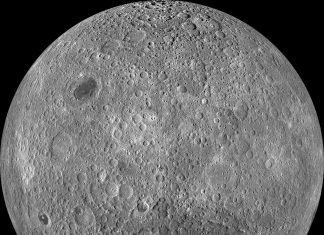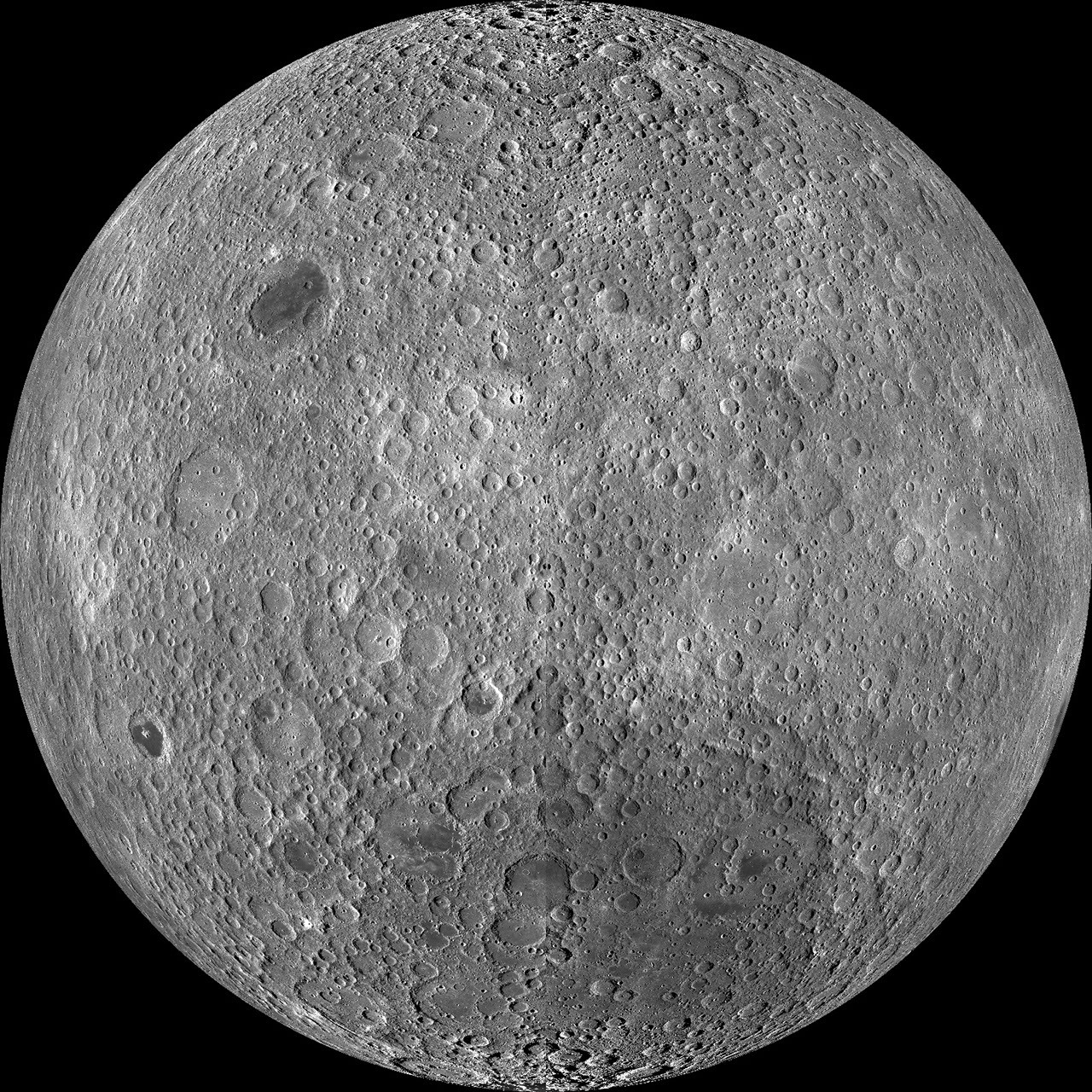
NASA’s Astronomy Picture of the Day (APOD) for October 10, 2026, offers a fresh perspective on the Moon’s far side—the hemisphere perpetually hidden from Earth. This captivating image, a composite of over 15,000 individual frames captured by the Lunar Reconnaissance Orbiter (LRO), unveils a unique and previously underexplored landscape of our closest celestial neighbor.
Why Do We Only Ever See One Side of the Moon?
Like Earth, the Moon rotates on its axis. However, its rotation is perfectly synchronized with its orbit around our planet. This phenomenon, known as tidal locking or synchronous rotation, results in the Moon always presenting the same face to Earth. Consequently, the lunar far side, often mistakenly called the ‘dark side,’ is actually illuminated by the Sun just as much as the near side, but it remains unseen by observers on Earth.
Key Differences: A Thicker Crust
The detailed imagery from the LRO highlights significant distinctions between the Moon’s near and far sides. Instead of the relatively smooth, dark plains known as lunar maria that dominate the visible hemisphere, the far side appears considerably more rugged and heavily cratered. Scientists attribute this striking difference primarily to the thicker crust on the far side. This more substantial crust would have made it more difficult for molten magma from the lunar interior to reach the surface, thereby hindering the formation of the large, dark maria.