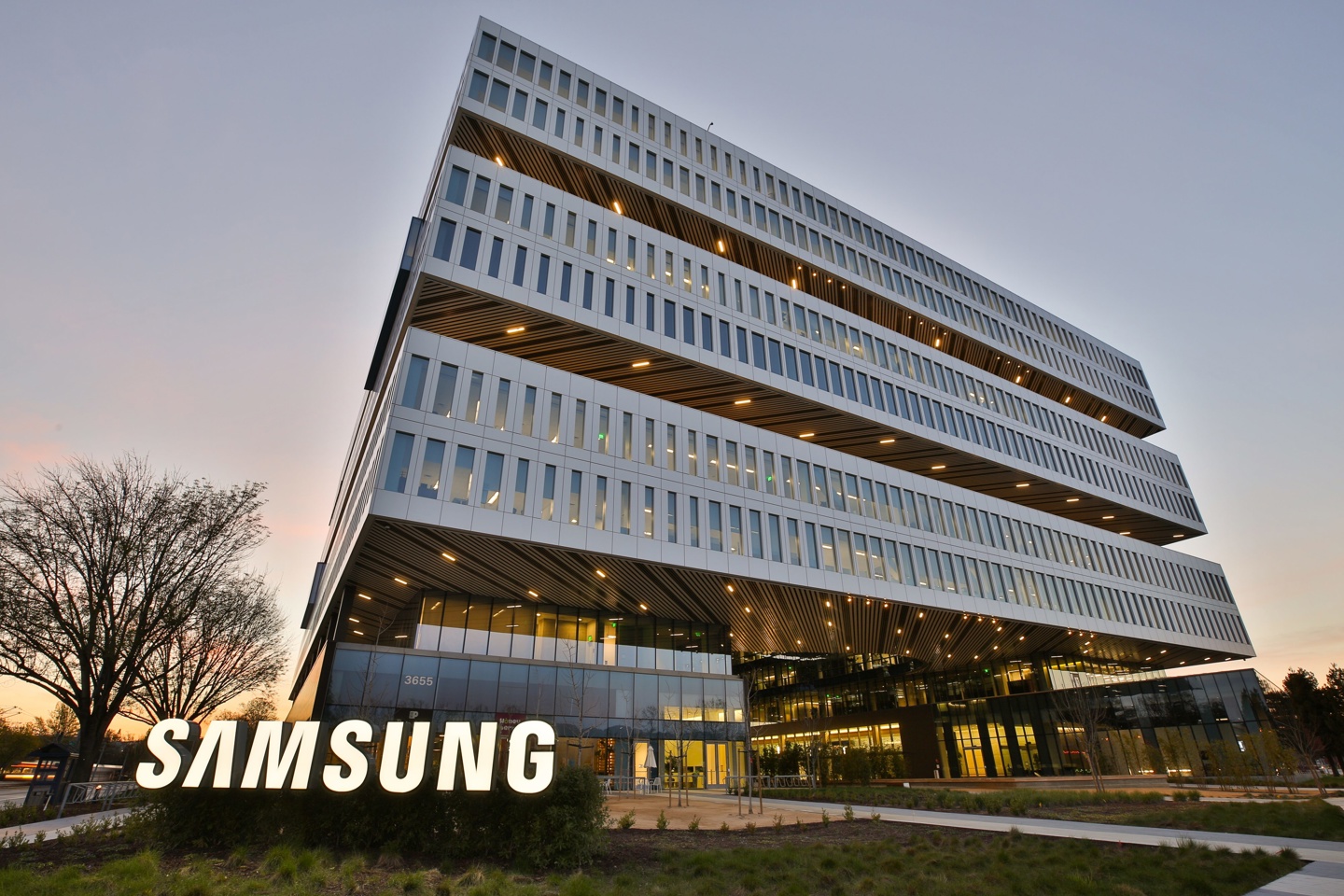
Samsung Electronics’ stock experienced a significant downturn, falling 8% in early trading on Monday. This decline followed the company’s announcement of a record-breaking 79 trillion won (approximately $70 billion USD) shareholder return plan, which unfortunately failed to meet investor expectations.
Investor Discontent Amidst AI Boom
Investors had been anticipating a larger share of Samsung’s substantial cash reserves, fueled by the ongoing artificial intelligence (AI) boom. However, the outlined shareholder return plan, spanning 2024 to 2026, proposes returning 50% of cumulative free cash flow over the three-year period. While this commitment is substantial, it appears to fall short of the more ambitious distributions many had hoped for. Furthermore, a lack of detailed disclosure regarding stock repurchase programs added to the market’s apprehension.
Key Details of the Shareholder Return Plan
Samsung Electronics stated that its shareholder returns for the current year would range between 90 trillion and 110 trillion won (approximately $68 billion to $84 billion USD). This figure includes a third-quarter cash dividend of 30 trillion won. Although this amount is reportedly five times the previous record set in 2020, analysts expressed that the actual returns were below their projections. They specifically highlighted a desire for more concrete details on the company’s stock buyback strategy.
Competitive Landscape and Market Reactions
In contrast to Samsung’s stock performance, its competitor SK Hynix saw its shares rise by 0.4%. SK Hynix recently announced plans to repurchase and cancel 40 trillion won (approximately $30 billion USD) of its treasury stock. Additionally, SK Hynix committed to utilizing over 50% of free cash flow generated between 2025 and 2027 to enhance shareholder returns. This proactive approach, particularly the cancellation of treasury stock which directly impacts share value, was noted by market observers.
“Unlike SK Hynix, Samsung Electronics did not mention the possibility of increasing the existing shareholder return policy, nor did it announce a plan to cancel treasury stock, which could have more directly boosted stock prices, and this was disappointing,” said Sohn In-joon, an analyst at Eugene Securities, in a report.
Analysts at Morgan Stanley echoed this sentiment, stating in their report that the “large-scale capital return was slightly below expectations.” The market is now keenly awaiting Samsung’s decisions in January regarding the allocation of the remaining 60 trillion to 80 trillion won (approximately $46 billion to $61 billion USD) within its current plan. Attention will also be on the company’s next capital return framework, which is set to take effect next year.
Looking Ahead
The disappointment surrounding Samsung’s shareholder return plan underscores the high expectations investors have for the tech giant, especially given its significant cash flow. The coming months will be crucial as Samsung navigates these expectations and outlines its future capital allocation strategies. Investors will be closely watching for clearer communication and more shareholder-friendly initiatives in the future.