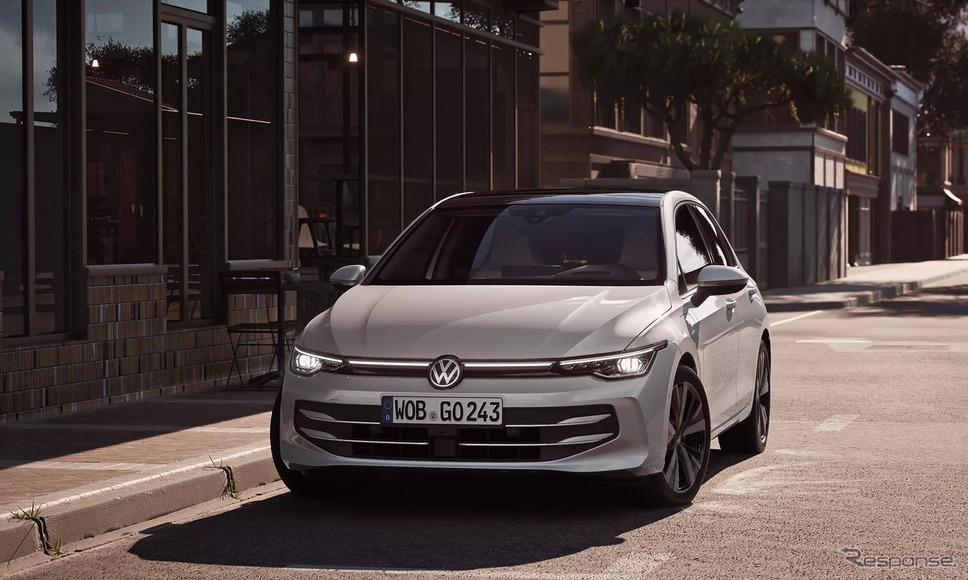
A new report from European clean transport advocates T&E is calling on car manufacturers to rethink the design of Plug-in Hybrid Electric Vehicles (PHEVs). The advocacy group suggests reducing the size of gasoline tanks and prioritizing faster charging capabilities to encourage drivers to utilize electric power more frequently, thereby cutting down on carbon emissions.
The core idea behind PHEVs was to offer the best of both worlds: electric power for daily commutes and gasoline for longer weekend journeys. However, T&E’s analysis indicates a significant gap between this ideal and real-world usage. Many European drivers, it appears, are opting to rely primarily on gasoline, often neglecting to charge their vehicles. This behavior undermines the environmental benefits that PHEVs are intended to deliver.
Real-World Emissions Far Higher Than Official Figures
The T&E report highlights a stark reality: PHEVs registered in 2024 are emitting nearly six times the amount of CO2 officially reported. This discrepancy is largely due to limited electric-only driving. On average, these vehicles are covering only 27% of their total mileage in pure electric mode. Furthermore, the gasoline engine is found to be running for 32% of the time even when the battery is depleted, indicating inefficient energy management and increased reliance on fossil fuels.
Financial Implications of Gasoline Dependency
Beyond the environmental concerns, T&E also points out that PHEVs driven predominantly on gasoline become more expensive to operate annually. The report estimates that a 2024 PHEV model could incur energy costs of €1,810 per year if primarily fueled by gasoline. In contrast, operating the same vehicle based on official, optimistic fuel consumption figures would cost only €1,130. This translates to a significant difference of €680 per year, underscoring the financial advantage of utilizing the electric powertrain.
Recommendations for a Greener Future
T&E’s recommendations aim to bridge the gap between PHEV potential and actual performance. By proposing smaller fuel tanks, the organization believes drivers will be compelled to charge more often, ensuring that the electric component is utilized to its fullest. Coupled with enhanced charging speeds, this strategy could significantly boost electric mileage and reduce the carbon footprint of these transitional vehicles. The ultimate goal is to ensure that PHEVs serve their intended purpose as a stepping stone towards full electrification, rather than becoming simply more complex gasoline cars.
The report implies that manufacturers need to actively design and market PHEVs in a way that encourages electric usage. This could involve user interface design that prioritizes electric range, incentives for charging, and, as T&E suggests, hardware modifications like reduced fuel tank capacity to make consistent charging a necessity rather than an option.