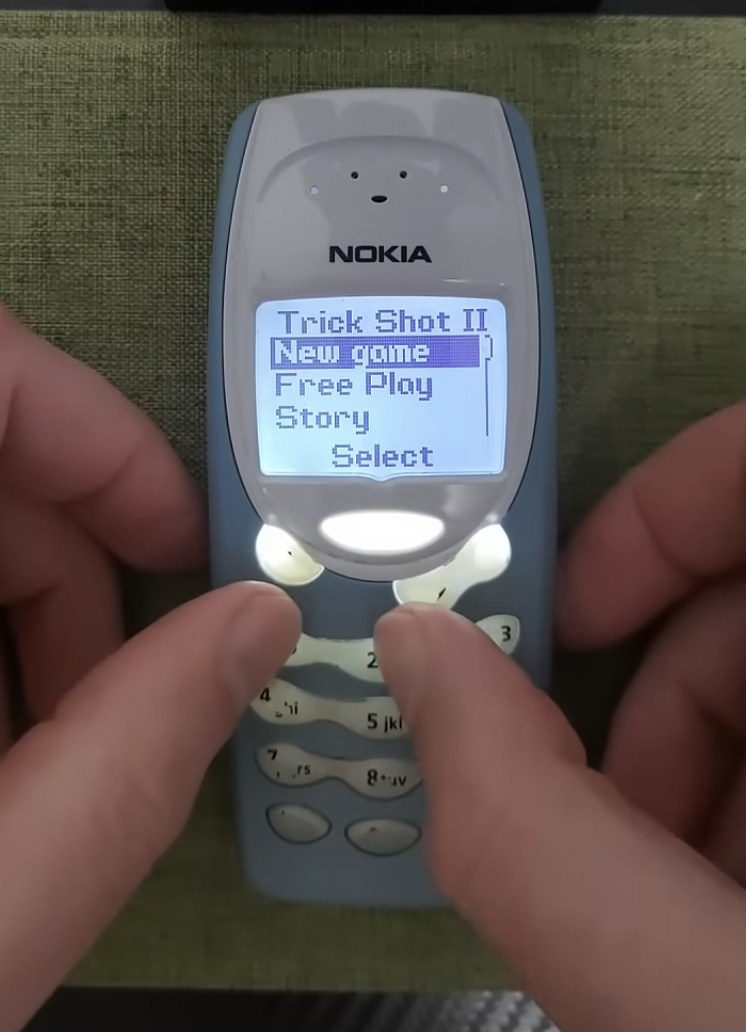
In a fascinating blend of retro aesthetics and modern ingenuity, developer Hoani Bryson has successfully breathed new life into the iconic Nokia 3310 feature phone. Bryson’s project, which won first place in the Nokia 3310 Jam 8 game development event, saw him design and implement a custom PCB board featuring a Raspberry Pi Pico microcontroller. This upgrade allows the classic device, while retaining its original screen and physical keypad, to run a more complex, self-made game called ‘Trick Shot II’.
Retro Spirit, Modern Tech
The Nokia 3310 Jam 8 event was designed to inspire creations that evoke the spirit of classic Nokia 3310 games. The competition’s unique premise was that entries didn’t strictly need to run on an actual 3310; the goal was to replicate the look, feel, and sound of those beloved retro titles. However, Hoani Bryson aimed higher, wanting his game ‘Trick Shot II’ to be fully functional on the legendary feature phone hardware.
Overcoming Hardware Limitations
Bryson’s game, ‘Trick Shot II’, proved to be more demanding than the original Nokia 3310’s hardware could handle. Rather than compromising on his vision, Bryson took a hardware engineering approach. He meticulously designed a custom printed circuit board (PCB) centered around the Raspberry Pi Pico. This new board integrates seamlessly, providing the necessary processing power to run ‘Trick Shot II’ while still utilizing the 3310’s distinctive screen and tactile keypad.
DIY and Playable Demos
For those inspired by Bryson’s innovative project and interested in replicating it, the developer has generously shared detailed information about his modification process on his personal website. This open approach allows other enthusiasts to learn from his work and potentially embark on their own retro-tech modding adventures.
For users who simply want to experience ‘Trick Shot II’ without the hardware modifications, Bryson also provides a web-based version of the game. This allows anyone to enjoy the game directly through their browser, offering a taste of the enhanced gaming experience he developed.
Bryson’s achievement is a testament to the enduring appeal of classic mobile devices and the boundless creativity of the developer community. By merging the nostalgic charm of the Nokia 3310 with the capabilities of modern microcontrollers, he has not only won a competition but also created a unique piece of functional art that bridges the gap between past and present.