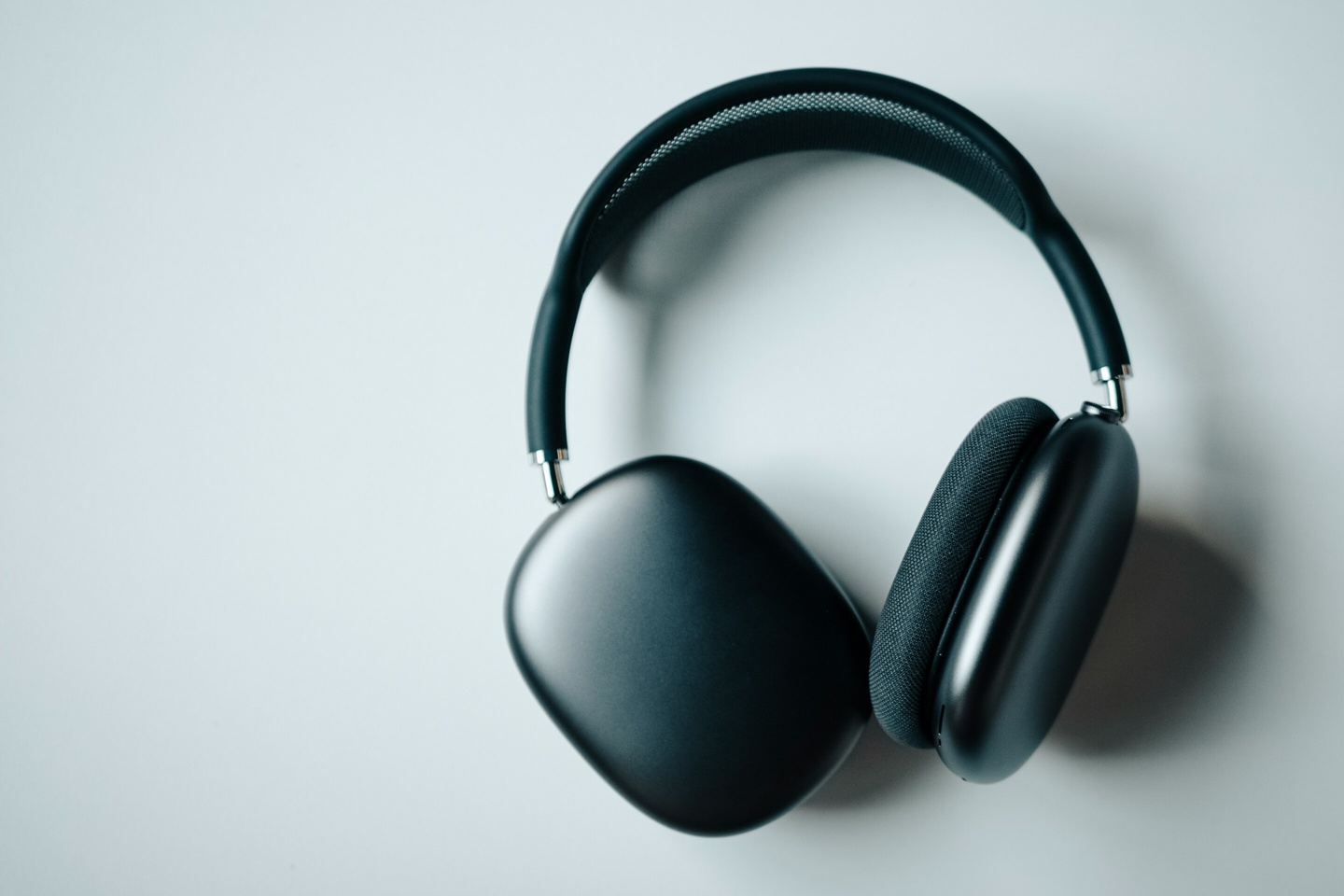
A recent study suggests a simple intervention—wearing noise-canceling headphones during surgery—could significantly reduce the incidence and severity of postoperative nausea and vomiting (PONV), a common and uncomfortable side effect of anesthesia.
Headphones as a Non-Drug Solution
While PONV is a frequent concern following anesthesia, and often managed with preventative medication, researchers are exploring non-pharmacological approaches. A team led by Liu Huayue from the First Affiliated Hospital of Soochow University in China presented their findings at the annual congress of anesthesiology in San Diego, proposing noise-canceling headphones as a potential method.
The study involved 192 patients undergoing laparoscopic gynecological surgery under general anesthesia. Participants were randomly assigned to two groups. One group wore sound-attenuating earmuffs from the start of anesthesia until the end of the procedure, while all patients received standard anesthetic care and antiemetic drugs.
Promising Results
The results were encouraging. Within 48 hours post-surgery, 35% of patients in the earmuff group experienced nausea or vomiting, compared to 52% in the group that did not wear them. Furthermore, patients whose hearing was protected reported less severe symptoms, including fewer instances of vomiting and a smaller impact on their daily activities.
Operating rooms are not typically quiet environments. Liu Huayue’s team measured an average noise level of 66 decibels, comparable to the volume of everyday conversation.
Understanding the Mechanism
While the exact mechanism linking sound, nausea, and anesthesia is still under investigation, it’s understood that anesthesia affects the nervous system. Noise exposure is known to trigger stress responses and activate the autonomic nervous system. This system controls involuntary bodily functions like heart rate and interacts with neural pathways in the brainstem responsible for nausea and vomiting.
However, Liu Huayue emphasized that the study did not delve into the specific physiological pathways by which earmuffs alleviate nausea and vomiting. The hypothesis that sound insulation reduces stress responses is still speculative.
Insights into Brain Activity During Anesthesia
Despite the unanswered questions about the precise mechanism, the study offers valuable insights into brain activity during general anesthesia. “From a biological perspective, it can be inferred that general anesthesia causes loss of consciousness but may not completely block the brain’s neural processing of sound,” Liu Huayue noted.
Looking ahead, Liu Huayue aims to conduct a larger, multi-center clinical trial. This future research would focus on measuring the correlation between noise exposure levels and neural activity in patients under general anesthesia.
This simple yet effective intervention highlights the complex interplay between our sensory environment and physiological responses, even when consciousness is suppressed.