Quantum computing firm IonQ has announced a significant advancement, suggesting that a 20,000-physical-qubit quantum computer could break the encryption used by Bitcoin and other cryptocurrencies in as little as 26 days. This breakthrough hinges on the application of Shor’s algorithm and a specialized fault-tolerant architecture dubbed “Walking Cat” optimized for the elliptic curve discrete logarithm problem.
Quantum Leap in Cryptographic Breaking
IonQ’s projection outlines a system with 19,397 physical qubits, designed to operate with 1,457 logical qubits and a staggering 39 million Toffoli gates. The estimated time to crack the secp256k1 elliptic curve digital signature algorithm, a cornerstone of Bitcoin’s security, is approximately 25.7 days. This development underscores the accelerating pace of quantum computing capabilities and its potential to disrupt current cryptographic standards.
Introducing IonQ Superion 256
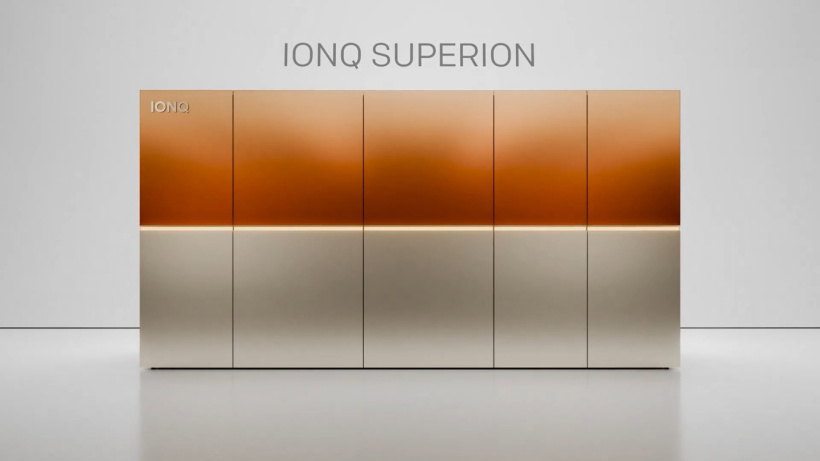
Alongside this projection, IonQ unveiled its sixth-generation quantum computing platform, the IonQ Superion 256. Developed in rapid iteration with its subsidiary SkyWater, this platform marks a shift towards mass production rather than bespoke construction. Key features of Superion 256 include lower power consumption compared to traditional GPU racks and compatibility with standard data center cooling systems, paving the way for more accessible and scalable quantum hardware.
The company anticipates delivering the IonQ Superion 256 to customers by 2027. This commercialization milestone is a critical step in bringing advanced quantum computing power out of the lab and into practical applications.
Future Roadmap: Walking Cat and Beyond
Looking ahead, IonQ is already developing the next iteration based on the same technological foundation. The upcoming “Walking Cat” architecture, named Superion 10K, is currently in development. IonQ aims to achieve fully fault-tolerant CMOS integration in a laboratory setting by 2027 and reach commercial viability the following year, in 2028.
This aggressive development timeline suggests IonQ is positioning itself at the forefront of the quantum computing race, aiming to provide solutions that not only push the boundaries of scientific research but also address real-world security concerns posed by advancing quantum technology.
The potential for quantum computers to break current encryption methods highlights the urgent need for quantum-resistant cryptography. As quantum processors become more powerful, the security landscape will inevitably shift, requiring a proactive approach to safeguarding digital information.