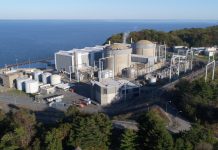
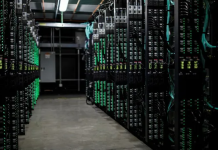
Google has commenced construction of what is set to become one of its largest data centers in Vishakhapatnam, Andhra Pradesh, India. The project, backed by an estimated $15 billion investment, aims to strengthen the company’s global AI ecosystem by providing computational power for cloud services, generative AI, and enterprise platforms.
Environmental concerns over water consumption
Even before completion, the project has sparked ecological debate, primarily due to the massive water requirements needed for cooling server infrastructure.
According to the Andhra Pradesh government:
- The city receives roughly 410 million litres of water per day;
- Current demand already stands at about 480 million litres per day;
- Vishakhapatnam’s population exceeds 2.5 million;
- The region already faces water‑supply restrictions.
Environmental groups warn that operating a large data center could exacerbate the existing water shortage.
Legal action launched
The civil society organisation Jal Biradari filed a petition with the Andhra Pradesh High Court, arguing that water‑resource risks were inadequately assessed during project approval.
After reviewing the submission, the court directed the state government to provide official explanations regarding the environmental assessment of the construction.
The Andhra Pradesh administration denies the allegations, insisting that all approval procedures followed national legislation and describing activists’ claims as inaccurate.

Proximity to wildlife sanctuary
Another point of contention is the planned data center’s closeness to the Kambalakonda Wildlife Sanctuary, situated approximately 860 metres from the construction site.
The sanctuary hosts:
- Indian leopards;
- Pangolins;
- Other rare local fauna.
Activists fear that extensive construction work could disturb the ecosystem through noise, vibration, and heavy machinery traffic.
The state authorities maintain that the site lies outside the legally defined minimum protection zone.
Google’s mitigation commitments
In response to criticism, Google stated that the data center will:
- Comply with all environmental regulations;
- Employ modern air‑based cooling technologies;
- Minimise water consumption;
- Apply noise‑reduction measures;
- Operate while safeguarding local natural resources.
The build‑out is being carried out in partnership with India’s Adani Group, which handles the infrastructure component of the project.
According to state estimates, the project could generate up to 188 000 jobs.
Global trend: AI driving infrastructure strain
The construction of massive AI‑focused data centers is increasingly prompting discussions about their environmental impact. Modern computing clusters for artificial intelligence demand significant electricity and efficient cooling systems, thereby increasing pressure on local energy and water resources.
Against the backdrop of the global generative‑AI boom, leading technology firms — Google, Microsoft, Amazon, Meta, and Oracle — continue to pour massive investments into new data centers to satisfy soaring demand for AI services.
Xpert Take
Google’s data‑center project in India highlights a new reality in AI‑infrastructure development. Whereas a few years ago the main conversation centered on raw compute power and GPU performance, today factors such as electricity availability, water resources, and adherence to environmental standards are becoming decisive in selecting locations for future AI hubs.
For Ukraine, this experience is instructive. Developing national digital infrastructure, government registries, AI services, and cloud platforms will require not only modern data centers but also comprehensive planning of energy, telecommunications, and ecological resources. Amid rapid GovTech growth, AI‑solution deployment, and rising demand for local computing, the question of sustainable infrastructure takes on strategic importance.