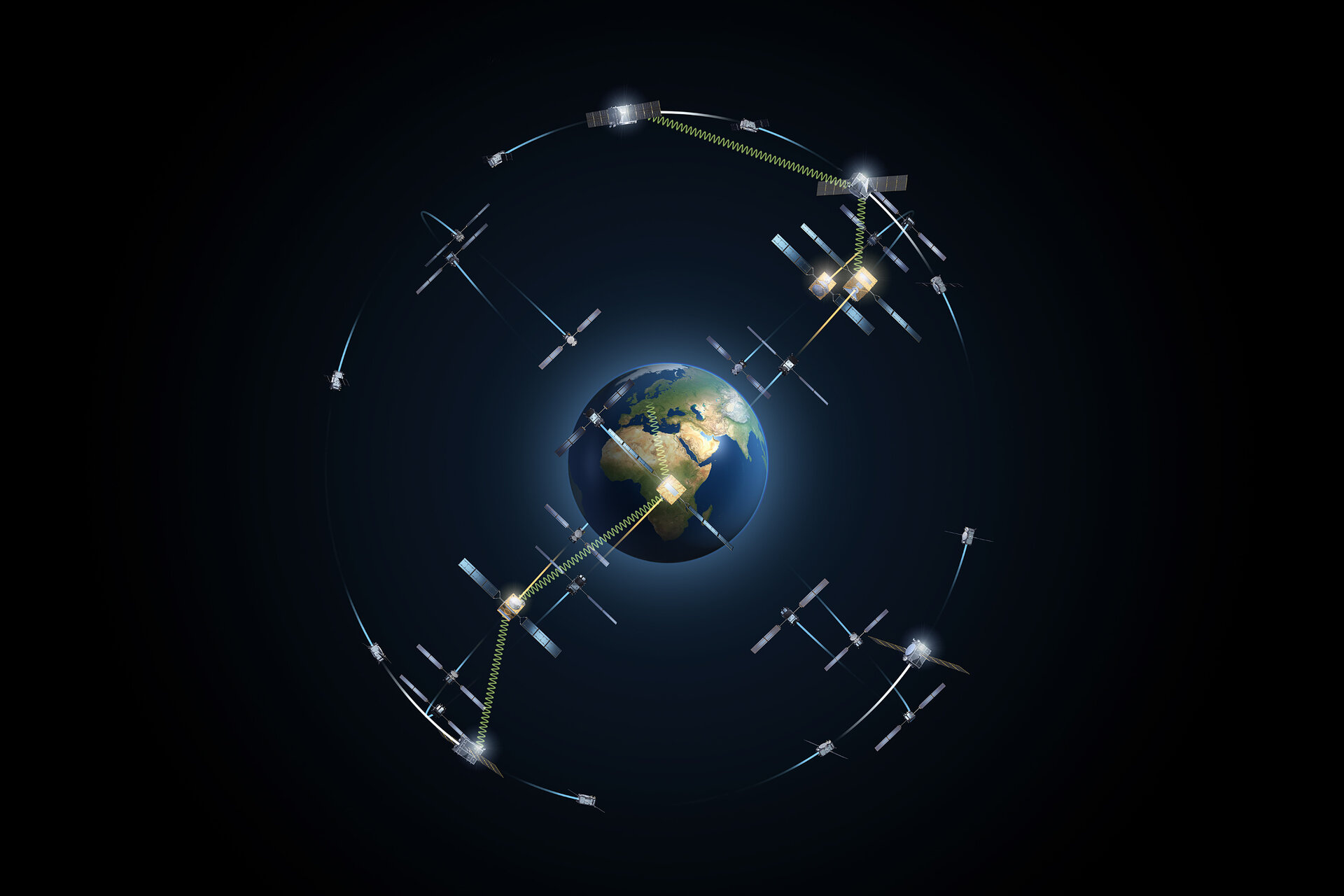
The European Space Agency (ESA) has taken a significant step to bolster its independent satellite navigation system by ordering four additional second-generation (G2) satellites for Galileo. This move aims to ensure the continuity of the network’s operations and facilitate the deployment of new, advanced services. With this order, the total number of Galileo second-generation satellites in the current constellation will reach 16.
Enhancing the Galileo G2 Fleet
Contracts for the construction of these new satellites have been awarded to two key European space companies: Thales Alenia Space of Italy and Airbus Defence and Space of Germany. Both companies have been collaborating with ESA since 2021, working on six G2 satellites each. The new agreements were signed on October 23rd in Rome and October 26th in Ottobrunn, Germany. This substantial order represents a strategic investment in Europe’s future, reinforcing its strategic autonomy in the crucial field of navigation.
ESA is acting as the prime developer for the system and is responsible for its quality. It is executing these contracts on behalf of the European Union Agency for the Space Programme (EUSPA), which oversees the navigation services. The four additional satellites, slated for delivery in 2031 and subsequent launch, will be identical to those already in development.
Galileo Second Generation’s New Capabilities
The G2 satellites are being equipped with fully digital navigation payloads, enhanced antennas, inter-satellite link capabilities, and improved atomic clocks. These upgrades will enable them to deliver more robust and precise Positioning, Navigation, and Timing (PNT) services. The first twelve G2 satellites are already in active development, with the design and qualification process nearing completion. System integration and compatibility testing are ongoing, paving the way for integration and flight testing of the initial satellites in 2027, with the first G2 launch anticipated in 2028.
The second-generation satellites will join the 38 first-generation satellites already in orbit. Both generations will be integrated seamlessly, ensuring the long-term stability of Galileo’s capabilities, enhancing its resilience, and opening doors for a wide array of new services and applications that will benefit users worldwide.
Key Features and Benefits of Galileo G2:
- Fully digital navigation payloads
- Enhanced navigation antennas
- Inter-satellite link capabilities
- Improved atomic clock configuration
- Increased reliability and accuracy of PNT services
- Strengthened European strategic autonomy