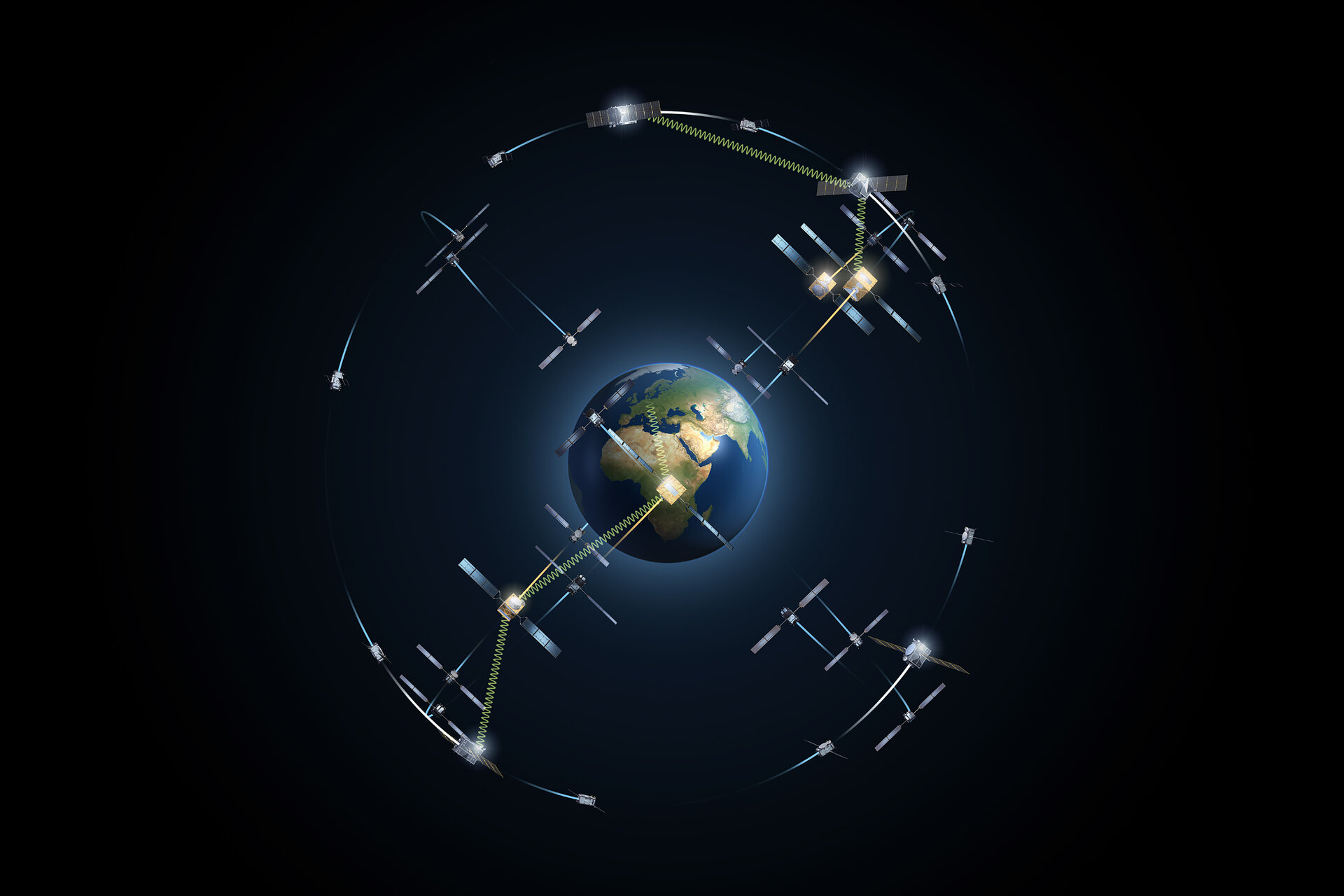
Europe is solidifying its independent satellite navigation capabilities with the procurement of four additional Galileo Second Generation (G2) satellites. This expansion, bringing the total G2 fleet to 16, ensures the long-term reliability of the Galileo constellation and paves the way for exciting new services. The move underscores Europe’s commitment to strategic autonomy in space and its dedication to providing robust, high-precision positioning, navigation, and timing (PNT) services to users worldwide.
Galileo’s Next Generation Takes Shape
The European Space Agency (ESA), acting on behalf of the European Union, has extended existing contracts with key industry partners Thales Alenia Space (Italy) and Airbus Defence and Space (Germany). These companies, already tasked with building six G2 satellites each, will now deliver four more advanced spacecraft. These upcoming satellites are identical to their predecessors currently in development and are slated for delivery in 2031, with launches to follow shortly after.
These new procurements are crucial for maintaining and enhancing Galileo’s services. Laurent Jaffart, ESA Director of Resilience, Navigation and Connectivity, emphasized the importance of these contracts: “With these contracts, ESA and European industry are safeguarding the continuity of Europe’s satellite navigation services, responding to the evolving needs of users, and strengthening Europe’s strategic autonomy.”
Enhanced Capabilities and Future Prospects
Galileo’s Second Generation satellites represent a significant leap forward in technology, featuring:
- Fully digital navigation payloads
- Improved navigation antenna performance
- Inter-satellite link capabilities
- Advanced atomic clock configurations
These upgrades will result in more resilient and dependable positioning, navigation, and timing. The first twelve G2 satellites are well on track, with development and qualification nearing completion. System integration and testing are currently underway, with the first satellites expected to undergo flight testing in 2027, preceding the initial G2 launch in 2028. These next-generation satellites will work seamlessly with the existing 38 First Generation satellites, enhancing Galileo’s overall resilience and enabling a new era of space-based applications.