The European Space Agency (ESA) has unveiled a compelling collection of its most significant space-related achievements and stunning imagery from the week of October 19-23, 2026. The agency’s latest updates span from advanced AI-driven lunar exploration to breathtaking views of Earth from orbit and artistic visions of humanity’s future among the stars.
Artificial Intelligence Takes on Lunar Crater Detection
A standout development this week is ESA’s new AI model designed to identify craters on the Moon’s surface. The featured image showcases craters clearly delineated by the AI, highlighted with red circles. This technological leap promises to revolutionize detailed lunar cartography and our understanding of the Moon’s geological history.
Earth from Orbit: A Planet of Contrasts
ESA’s Sentinel-3C satellite continues to deliver remarkable insights into our home planet. On October 2nd, 2026, the satellite captured the powerful vortex of Hurricane Rachel as it churned over the eastern Pacific Ocean, near the coasts of Mexico and the Baja California Peninsula. This image vividly demonstrates the effectiveness of the satellite’s visible radiometer channels in measuring sea and land surface temperatures, providing crucial data for meteorologists worldwide.
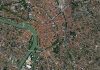
The collection also includes a detailed view of Toulouse, France, famously known as the “Pink City” due to its characteristic terracotta tiled roofs, offering a unique perspective on terrestrial landscapes from space.
New Horizons: From the Moon to the Cosmos
The week was rich with visualizations of upcoming and aspirational space endeavors. ESA artists presented an inspiring impression of a lunar panorama, envisioning a future shaped by upcoming missions. A model of a lunar crane undergoing testing was also on display, signaling active preparations for human settlement on Earth’s natural satellite. Furthermore, the article highlights the unloading process of the MetOp-SG-B1 spacecraft at Port Paria, a critical step before the launch of a new generation of weather satellites.
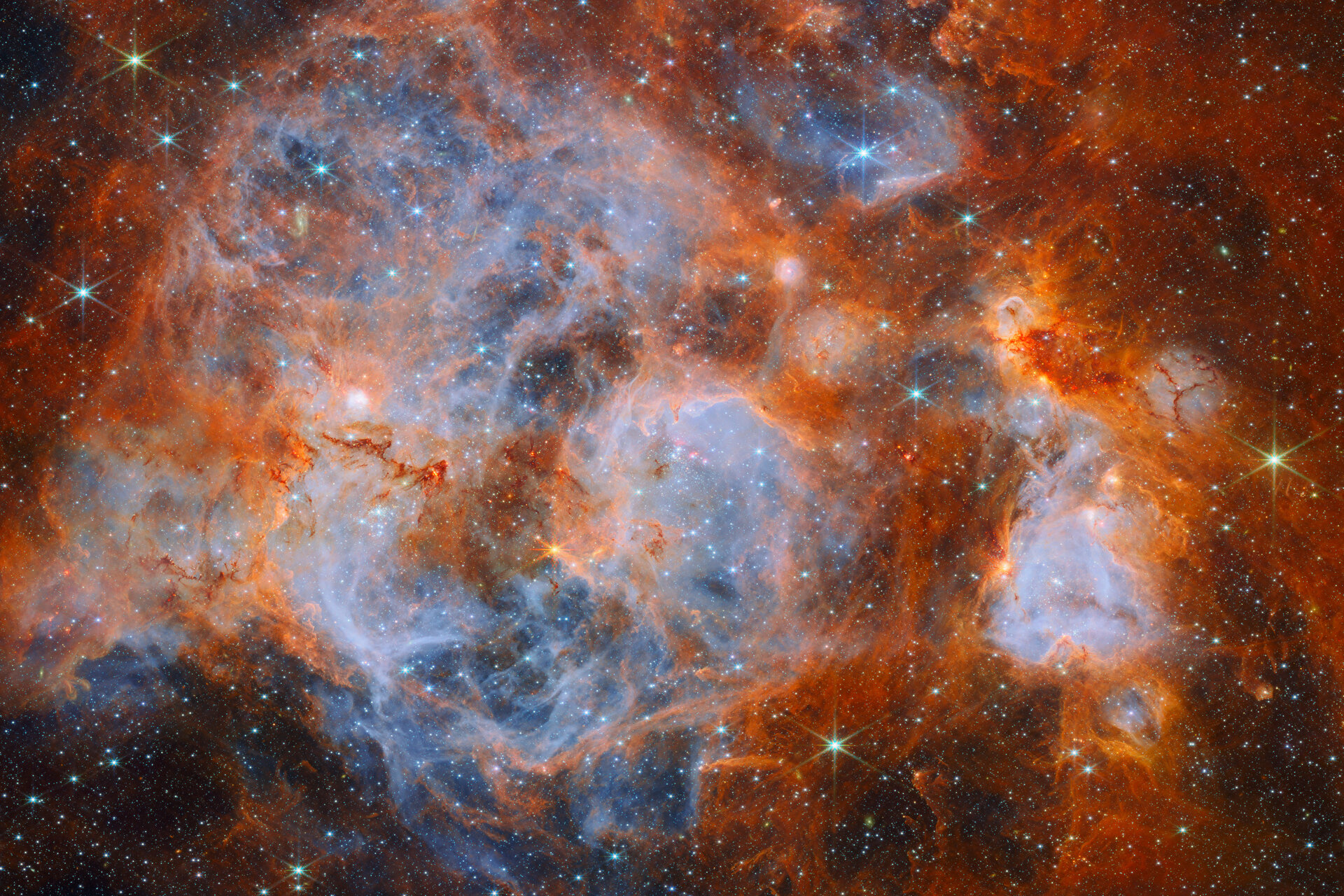
Adding a touch of the profound, an image of “stars being born in a nebulous cauldron” serves as a reminder of the continuous creation of celestial bodies in the vast expanse of the cosmos.