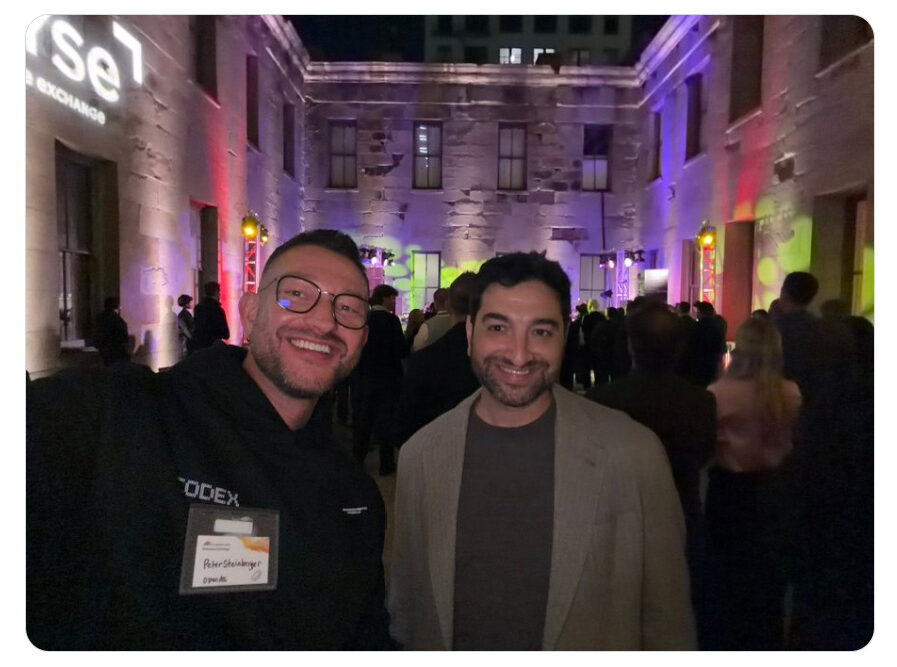
Peter Steinberger, a co-founder of OpenClaw and a member of OpenAI’s technical team, has shared striking figures regarding the costs associated with artificial intelligence. Speaking at the Cloudflare Connect 2026 conference, he disclosed that approximately $10 million was spent on AI tokens alone in the previous month.
Token Spending: Not Always Justified
These colossal expenditures, which are covered by investors, surprised the audience. Steinberger explained that not all consumed tokens deliver tangible benefits. He also recalled a previous admission of having an “almost unlimited token budget,” a reality far removed for most developers.
Infrastructure for AI Agents: Time for Change
A key point of discussion revolved around the infrastructure for AI agents. Steinberger believes that the current infrastructure is not yet fully equipped to handle the rapid advancements in AI technology. He questioned the necessity of performing some computations on local computers, advocating instead for a complete migration to the cloud. However, he acknowledges that cloud-based AI agents could incur significant costs, in addition to privacy and regulatory compliance concerns.
AI’s Impact on Open Source: Challenges and Prospects
The meeting also touched upon the impact of AI-generated code on the open-source software community. Cloudflare CEO Dan Knecht noted that many developers of open-source projects are encountering issues with low-quality AI-generated code. This has led some to stop accepting external pull requests (PRs). This raises the question of whether this trend signals a decline in open source or a new phase of its development.
Steinberger proposed a shift in the approach to contributions. According to him, developers should provide not just the final code but also a detailed description of the process that led to the solution. He emphasized that understanding a developer’s thought process from the initial idea to the final result builds more trust than receiving uncommented, ready-made code.
The Future of AI Agents: From Hundreds to One Personal Assistant
Regarding the future proliferation of AI agents, Steinberger expressed a degree of caution. When asked if people would be using hundreds of AI agents simultaneously in a few years, he responded that individuals would likely have a personal intelligent assistant working around the clock. This assistant would be capable of anticipating user needs, providing answers before a question is even formulated.
Trust, Permissions, and Security for AI Agents
The discussion concluded with an examination of trust and permission management for AI agents. The conversation focused on what data users should provide to agents and how to restrict their access. Steinberger pointed out that this largely depends on the user’s trust in the underlying model, as the model’s behavior is not always controlled by external code.
He also observed that as model capabilities grow, some mechanisms he developed for OpenClaw might need adjustments. Concerning security risks, such as Prompt Injection attacks, Steinberger stressed that even with engineering measures to mitigate risks, users should refrain from granting agents full authority. As an example, he suggested using one agent to approve permissions for another, as well as implementing multi-level checks and agreements between agents to determine the necessity of operations and find safer alternatives.