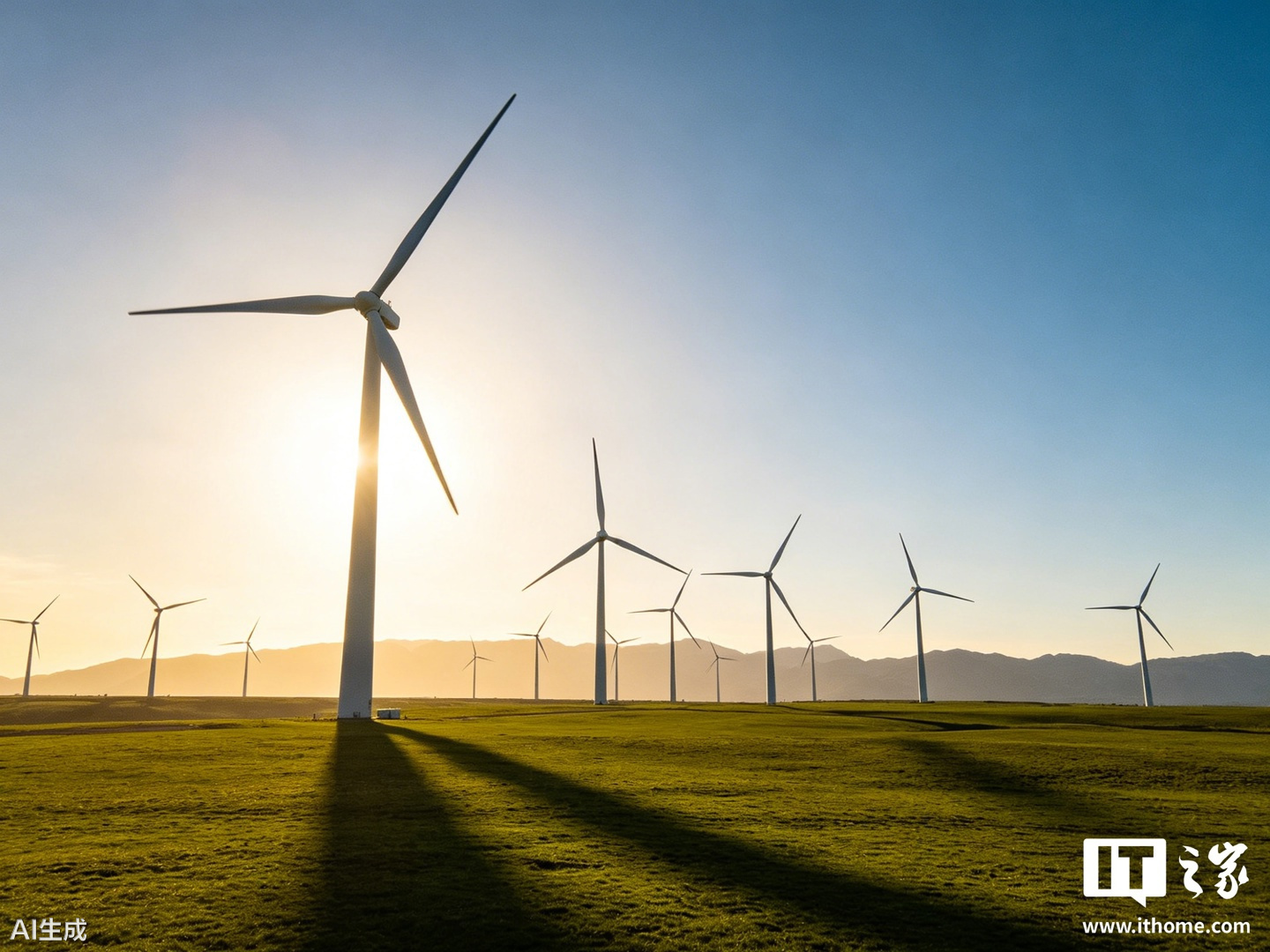
China is set to achieve a significant milestone in its energy transition, with projections indicating that by 2030, all new electricity demand will be met by new clean energy sources. This forecast, released in the “China Energy Transition Outlook 2026” report by the China Macroeconomic Research Institute, highlights the rapid growth and increasing dominance of renewable energy, particularly wind and solar power, in the nation’s electricity generation mix.
Renewable Energy Takes Center Stage
The report reveals that wind and solar power are already the primary drivers of new installed capacity. In the first three quarters of this year, renewable energy sources generated over 3 trillion kilowatt-hours of electricity, accounting for more than 40% of the total power generation. This trend is expected to continue, with wind and solar power poised to become the main sources supporting the growth in electricity demand by 2030.
Further underscoring this shift, data from the first half of the year shows that coal-fired power generation’s share in China’s electricity mix dropped below 50% for the first time, settling at 49.7%. This marks a significant change from coal’s traditional role as the primary power source, transitioning it towards a role of providing backup power and grid regulation.
Global Leadership in Renewable Technology and Investment
China’s commitment to renewable energy is also reflected in its substantial investments and technological contributions. The report anticipates total energy investment in China to reach $940 billion (approximately 6.28 trillion RMB) by 2026, positioning the country as a global leader in energy investment. Furthermore, China’s renewable energy technologies maintain a dominant global position, supplying 70% of the world’s wind power equipment and 80% of its photovoltaic (PV) modules. This technological leadership has been instrumental in driving down global costs, with wind power costs decreasing by over 60% and PV power costs by over 80%.
Steady Expansion of Renewable Capacity
The expansion of renewable energy installations has been consistent throughout the year. In the first three quarters, new renewable energy capacity additions reached 180 million kilowatts, representing 71.7% of all new installations. Wind and solar power alone accounted for nearly 70% of this new capacity. As of the end of September, the total installed capacity of renewable energy in China reached 2.518 billion kilowatts, a 14.6% year-on-year increase. This now constitutes approximately 60.94% of China’s total installed power capacity, with solar power emerging as the largest single source of installed capacity.
Significant Contribution to Power Supply
The impact of renewable energy extends beyond just capacity additions. In the first three quarters, the electricity generated from renewable sources reached 3.13 trillion kilowatt-hours, an increase of about 8% year-on-year. This amount represented 41.8% of the total electricity generated, exceeding the combined electricity consumption of the tertiary industry and urban and rural residential use during the same period. This signifies that renewable energy is already meeting nearly 40% of the country’s total electricity needs.
The “China Energy Transition Outlook 2026” report underscores China’s ambitious trajectory towards a cleaner energy future, driven by technological innovation, substantial investment, and a strategic shift in its power generation landscape.