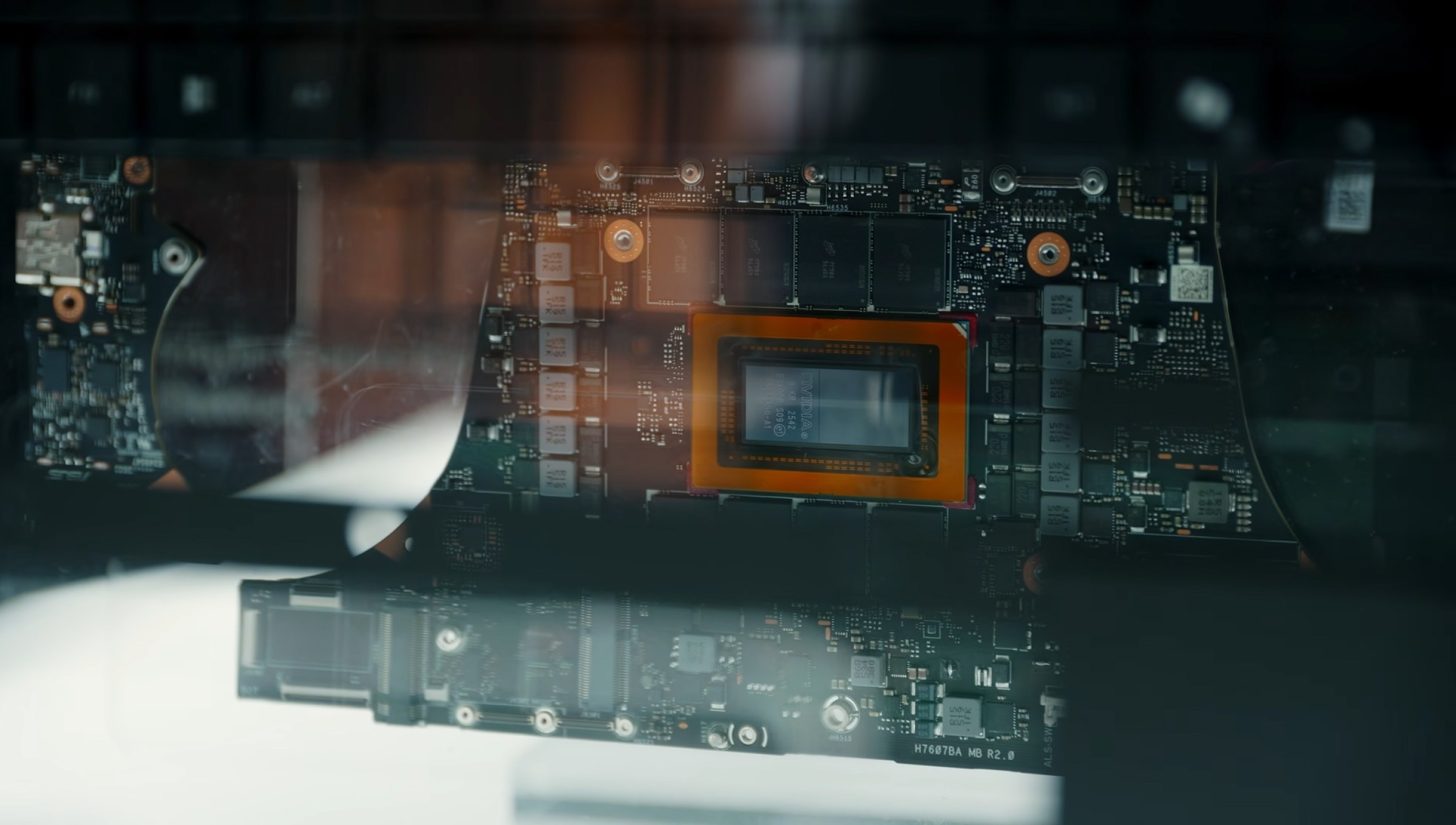
Recent internal details revealed for the Asus ProArt P14 and ProArt P16 laptops have shown a unique approach to thermal management: the use of liquid metal for chip cooling. This strategy bypasses the more common vapor chamber solution, a move that NotebookCheck reported on after uncovering internal schematics and visuals.
Liquid Metal Over Vapor Chamber
The decision not to employ a vapor chamber in these ProArt models is reportedly linked to the size of the RTX Spark chips integrated within them. According to the analysis, using a vapor chamber with these larger chips could lead to uneven pressure distribution during installation. Such unevenness can compromise the contact between the chip and the cooling solution, ultimately reducing the efficiency of heat transfer.
Instead, Asus has opted for a combination of traditional heat pipes and liquid metal. This setup is designed to cater to the requirements of slim and light chassis while accommodating larger, high-performance chips. The primary advantage of liquid metal is its superior thermal conductivity compared to traditional thermal paste, allowing for more efficient heat dissipation away from the core components.
Potential Challenges with Liquid Metal
While offering enhanced cooling performance, liquid metal is not without its challenges. Its inherent fluidity presents a risk, particularly in portable devices like laptops. During transit, movement, or exposure to vibrations, there’s a potential for the liquid metal to breach its containment area. Should the material come into contact with unintended electronic components, it could lead to short circuits, potentially causing significant damage to the laptop.
This innovative cooling solution highlights Asus’s commitment to pushing the boundaries of laptop design to balance performance with portability. However, users of the ProArt P14 and P16 will need to be mindful of handling these devices to mitigate the risks associated with liquid metal cooling.
The ProArt line has always targeted creative professionals who require powerful performance in a portable form factor. The adoption of liquid metal cooling in the P14 and P16 models suggests Asus is willing to explore advanced, albeit potentially riskier, thermal solutions to meet the demanding needs of this user base, especially when integrating powerful graphics chips into thinner designs.