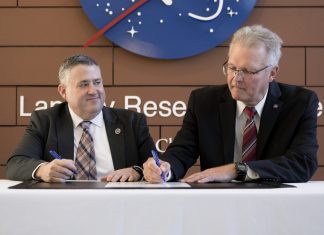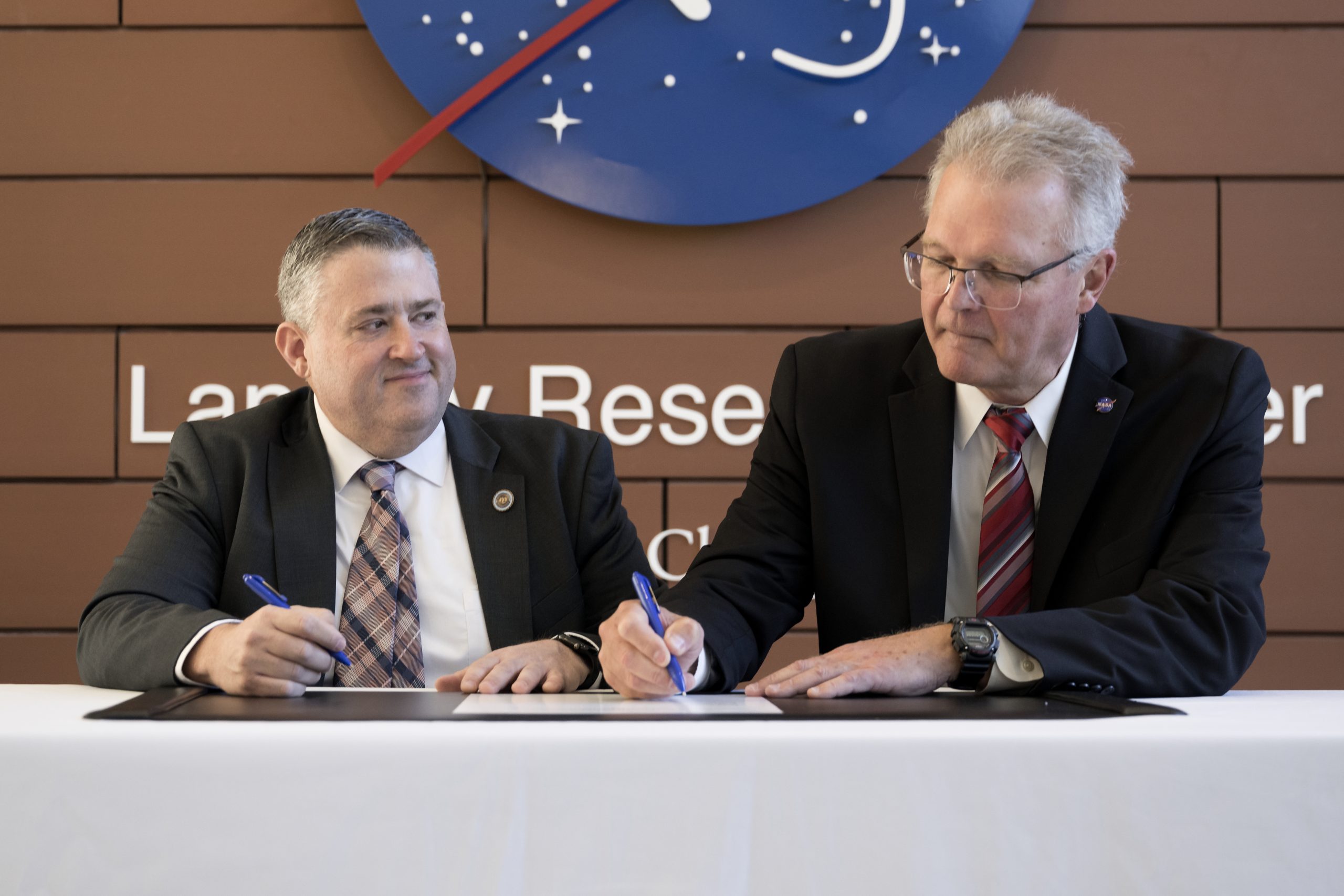
NASA’s Langley Research Center is teaming up with the Virginia Department of Energy in a new partnership aimed at bolstering the state’s long-term energy security. By leveraging NASA’s extensive expertise in atmospheric sciences and advanced data analysis, this collaboration will provide crucial information to help Virginia make more informed decisions about energy generation, delivery, and usage, especially in the face of evolving environmental challenges.
Powering Informed Decisions with NASA Data
This innovative partnership, formalized through a Space Act Agreement, will see NASA Langley provide critical solar, meteorological, and future weather risk datasets. These datasets are vital for energy system modeling and planning, enabling Virginia Energy to conduct detailed resiliency studies, analyze energy resources, and develop robust long-term energy strategies. The goal is to create a more reliable and resilient energy system for the Commonwealth by better anticipating energy demands and preparing for potential extreme weather events that could impact electricity supply and demand.
Harnessing Space Science for Terrestrial Needs
The collaboration will infuse NASA’s Prediction of Worldwide Energy Resources (POWER) data products into Virginia Energy’s modeling and analysis systems. This data, which supports energy generation system designs and production predictions using validated Earth science research, is a testament to NASA’s commitment to applying its technological prowess to solve real-world problems. Virginia Energy Director Vince Maiden emphasized the importance of this exchange, stating, “Sound energy planning depends on models that reflect real-world conditions. This collaboration will help us better understand how weather affects electricity supply and demand, identify vulnerabilities, and weigh resource tradeoffs with greater confidence.” Researchers will have direct access to NASA’s POWER web platform via a digital pipeline, allowing for streamlined data exchange and tailored analysis to meet Virginia’s specific energy planning needs.
Source: NASA