This past week, the European Space Agency (ESA) has delivered a stunning array of images and updates, offering a captivating glimpse into our universe and the cutting-edge technology humanity is deploying to explore it. From the rugged landscapes of Earth and Mars to the intricate dance of stellar nurseries, ESA’s latest dispatches highlight significant progress in planetary science, Earth observation, and deep space missions.
Earth’s Delicate Balance and Martian Wonders
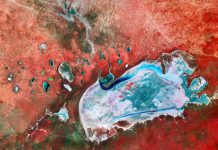
ESA’s Copernicus Sentinel-2 satellite has captured a breathtaking view of the Etosha National Park in northern Namibia, showcasing the planet’s diverse ecosystems. Meanwhile, the Mars Express orbiter continues its vigilant watch over the Red Planet, providing remarkable imagery of the Arsia Mons Elongated Cloud – a vast atmospheric phenomenon that stretches for thousands of kilometers.
Venturing to Asteroids and the Cosmos
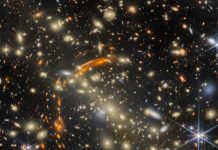
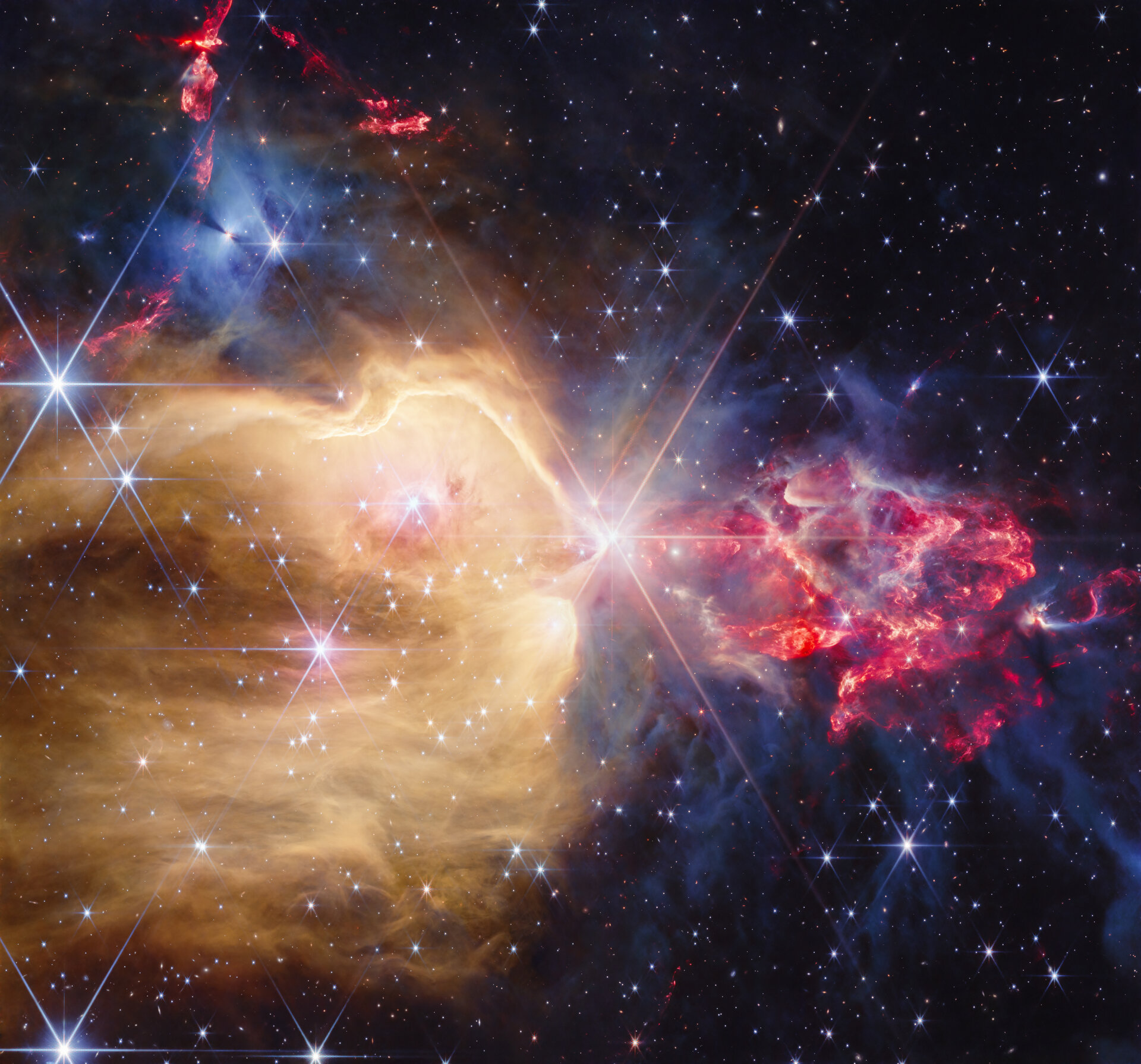
The Hera mission, ESA’s groundbreaking asteroid-deflection endeavor, has taken a significant step forward. Hera’s ‘first glimpse’ of its target asteroid system, Didymos, marks a crucial milestone in the mission’s preparation. This mission aims to understand the effects of an impact and gather vital data for planetary defense. Beyond our solar system, the powerful capabilities of the James Webb Space Telescope are being leveraged to study the intense stellar jets emanating from a nebula, offering unprecedented insights into the birth and evolution of stars.
Technological Advancements and Future Exploration
The week also saw significant progress in the development of future space technologies. The Lunar Pathfinder spacecraft is undergoing crucial integration and testing, paving the way for future lunar exploration. Simultaneously, the LandCam-X instrument is being integrated onto the Griffin-1 lander, promising enhanced surface reconnaissance capabilities. ESA also showcased its innovative Ultra-Wideband (UWB) technology demonstrator, hinting at new possibilities for communication and navigation in space.