In a creative and somewhat unconventional move to accelerate the launch of its data center capacity, Oracle is reportedly using trucks to transport natural gas. This measure is being employed to meet the energy demands of its facilities while waiting for permanent gas pipeline infrastructure to be established.
Bridging the Energy Gap
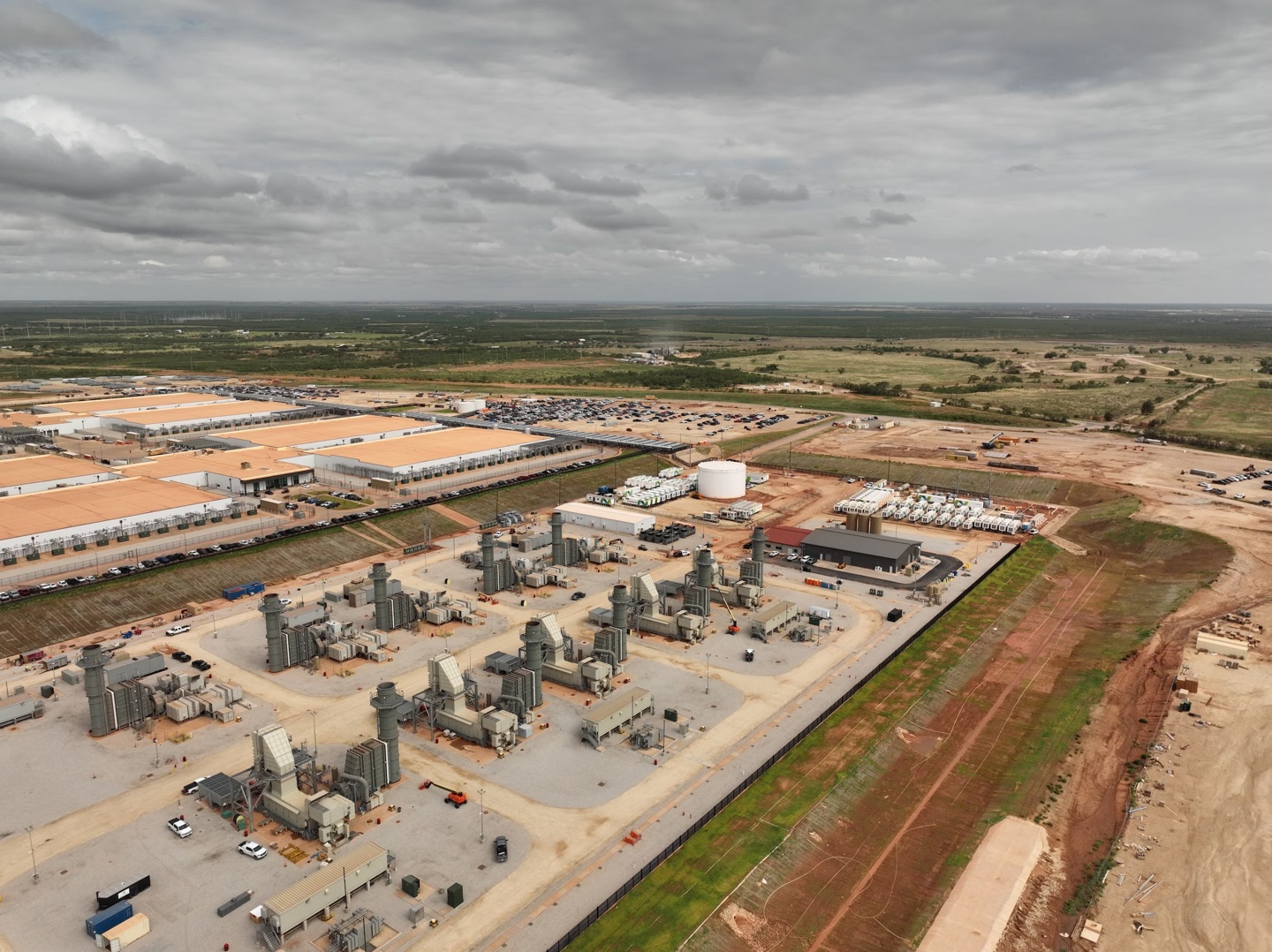
According to a report by Bloomberg, Oracle has been utilizing this truck-based natural gas delivery system for over a year at a data center in Utah. The strategy is also being implemented for the Shackelford data center in Texas, which is being developed for OpenAI. Furthermore, this approach is being considered for Oracle’s major ‘Project Jupiter’ initiative in New Mexico.
The challenge stems from the lengthy timelines associated with building essential power infrastructure. Many data center operators in the United States are increasingly turning to behind-the-meter power solutions or even constructing their own gas-fired power generation facilities. However, establishing natural gas pipelines themselves requires navigating a complex web of permits and approvals, adding further delays.
The Logistics and Costs
The process of delivering natural gas via trucks involves several stages: extraction, compression, transportation, decompression, and finally, release. This multi-step process is significantly more expensive than traditional natural gas delivery through large pipeline networks. Reports indicate that the full logistical chain can cost up to four times more than pipeline transport from major hubs.
The volume of natural gas that can be transported by a single truck is also quite limited. A single large trailer carrying natural gas can only supply enough energy to power a 100MW data center for approximately 40 minutes. This highlights the temporary and supplementary nature of this solution, requiring frequent resupply runs.
Why This Approach?
The demand for computing power, particularly for AI workloads, is soaring. Companies like Oracle are under immense pressure to bring new data center capacity online as quickly as possible. Relying on traditional utility infrastructure, which can take years to upgrade or expand, is not feasible for meeting these urgent demands.
By using trucks, Oracle can bypass some of the bureaucratic hurdles and construction delays associated with permanent gas lines. While costly and logistically intensive, this method provides a faster route to powering new data centers, allowing them to begin operations sooner.
Future Implications
This innovative, albeit expensive, solution from Oracle underscores the extreme measures companies are taking to secure power for their rapidly expanding data center footprints. As the demand for high-performance computing continues to grow, particularly fueled by AI development, the industry may see more such creative, interim solutions emerge.
The long-term viability and scalability of trucked natural gas for data centers remain a point of discussion. However, for now, it serves as a critical stopgap, enabling Oracle to meet its immediate capacity needs and capitalize on the burgeoning demand for cloud services and AI infrastructure.