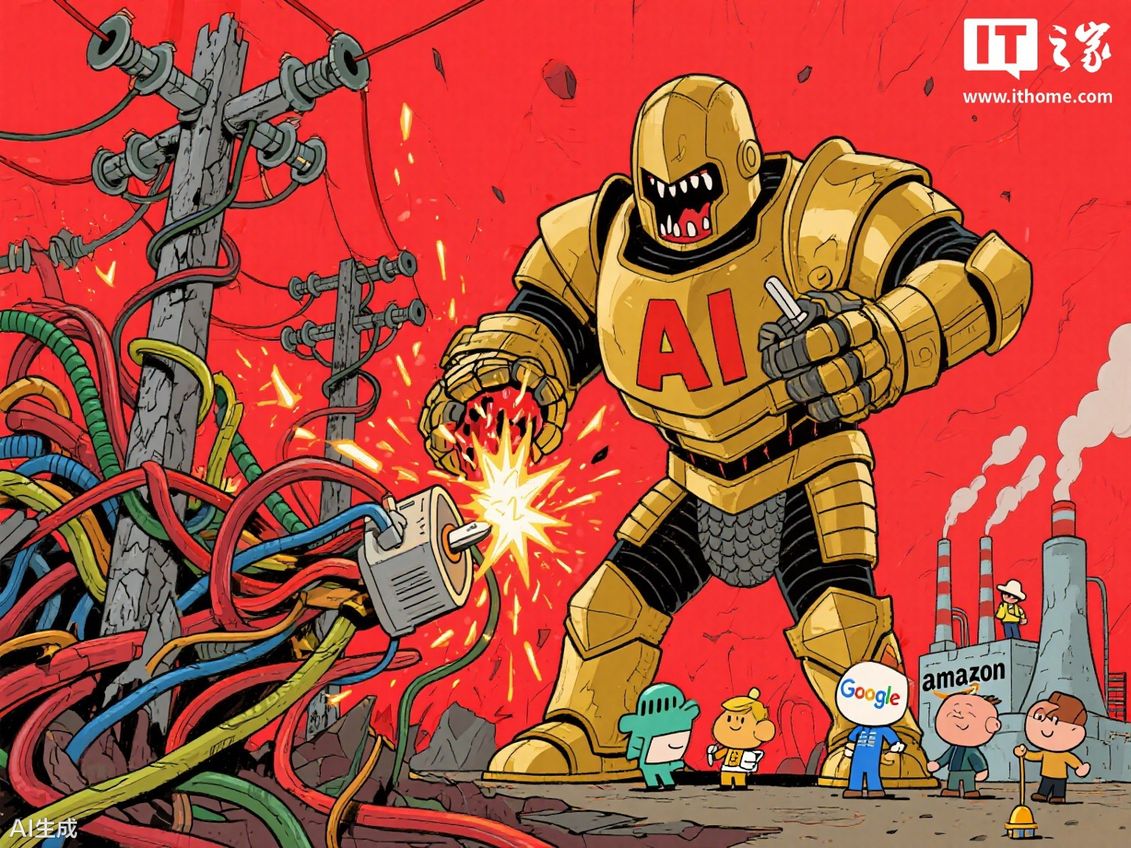
Recent widespread technical glitches across the United States, from grounded flights to delayed bank transactions and email outages, have highlighted the fragility of American infrastructure. Now, a new study from Johns Hopkins University warns that the nation’s power grid is also vulnerable and could face a significant shortage of critical equipment as early as 2027.
Growing Demand Meets Strained Supply
The research, published in the journal Cell Reports Sustainability, points to a looming deficit in essential grid components like transformers and converters. This shortage is projected to worsen by 2030, impacting the ability to connect new power plants and data centers to the grid, potentially leading to higher electricity costs and more frequent power outages for consumers and businesses.
Dr. Yury Dvorkin, an associate professor at Johns Hopkins University and a co-author of the study, explained the severity of the issue. “In the past, people never worried about the supply of these devices. But without them, even if you build a data center or a power plant, you can’t connect it to the grid, and therefore you can’t supply power,” he noted. “When electricity demand grows faster than expected, all the industry’s existing problems become more pronounced.”
The US power sector is under increasing pressure. While electricity consumption historically grew by 1% to 2% annually, recent surges in demand from AI data centers, electric vehicles, and broader electrification efforts are expected to drive a 21% increase by 2030. Data centers alone are anticipated to account for two-thirds of the projected equipment gap.
Material Shortages to Blame
The manufacturing of transformers and other grid equipment relies heavily on materials such as copper, steel, nickel, aluminum, and manganese. The study forecasts a comprehensive shortage of these five materials in the US within the next four years.
Copper is expected to be the first material to see a supply deficit, potentially as early as 2027. This will not only affect grid expansion but also impact the availability of data center equipment, wind turbine converters, and electric vehicle charging infrastructure. Steel and nickel are predicted to become extremely difficult to procure by 2030.
Under high electricity demand scenarios, the US could face a nearly 15% shortfall in transformer supply and up to a 30% deficit for other critical grid components over the next four years. Trade disruptions, leading to a potential 70% drop in raw material imports from less stable trading partners, could further exacerbate these shortages, pushing the transformer deficit to around 25% and other equipment deficits to 36%.
Even under more moderate demand growth, the US might still face an approximately 16% supply gap for other grid components, though transformer supply could remain adequate.
Addressing the Challenge
While the US Department of Energy has committed $1.9 billion to 31 projects aimed at upgrading transmission lines and reducing costs, this investment falls far short of the estimated needs. JPMorgan estimates that the US grid will require approximately $1 trillion by 2035 for necessary upgrades and replacements.
The challenge is twofold: expanding the grid and replacing aging infrastructure. A significant portion of US grid facilities is nearing the end of its lifespan, with old transformers requiring refurbishment or replacement, competing for already scarce equipment. Rising maintenance costs are also contributing to increased electricity bills for American households.
Manufacturers are struggling to keep pace. The lead time for transformers, typically custom-built, has quadrupled in the last four years, extending from about six months to over two years. Large power transformers also require grain-oriented electrical steel, a material produced by only one US steel mill.
Researchers have proposed several solutions to mitigate these shortages:
- Installing low-cost sensors for real-time monitoring of transformer loads.
- Recycling materials from decommissioned equipment.
- Promoting standardization in transformer design to allow for interchangeability and maximize the efficiency of existing resources.
These proactive measures are crucial to ensuring the reliability and capacity of the US power grid in the face of escalating demand.