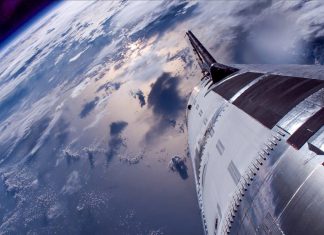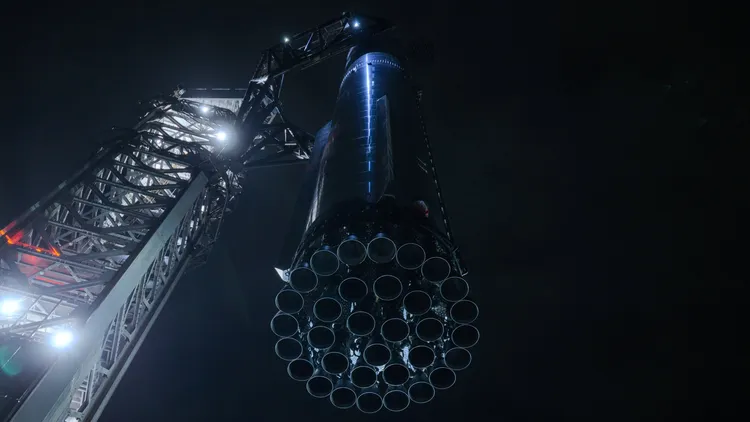
SpaceX is gearing up for a pivotal moment in its Starship program with the 15th test flight of its colossal spacecraft, scheduled for today, November 13. The company is set to attempt an unprecedented simultaneous recovery and “catch” of both the Super Heavy booster and the Starship upper stage using the launch tower’s robotic arms, famously dubbed “chopsticks.”
Starship’s Revolutionary Mission
The Flight 15 mission is slated for launch at 5:45 PM EST (22:45 Kyiv time) from SpaceX’s Starbase launch site in South Texas. If successful, the entire flight duration could extend over 22 hours. Starship is comprised of two main components: the massive Super Heavy booster and the Starship spacecraft itself (referred to as Ship). Both are designed for full and rapid reusability, a groundbreaking achievement for orbital-class rockets. A core strategy for achieving this goal is SpaceX’s plan to return both rocket stages directly to the launch pad, dramatically streamlining inspection, refurbishment, and preparation for subsequent launches.
The Ambitious “Double Catch” Challenge
SpaceX has already demonstrated successful recovery and “catch” maneuvers for the Super Heavy booster in three previous test flights. However, recovering the Starship Ship, which travels further and faster than the booster, presents a significantly greater challenge. A successful “double catch” would mark the first complete recovery of an orbital rocket system and represent a major leap forward in making Starship a reliable and rapidly reusable launch vehicle. In the event of any anomalies during the flight, SpaceX retains the option to perform a splashdown landing of the Ship in the Pacific Ocean.
Beyond the highly anticipated “double catch” attempt, Flight 15 will also see the Starship spacecraft deploy 26 next-generation Starlink V3 satellites into low Earth orbit. This deployment will follow the 26 Starlink satellites launched during Flight 14 on September 28.