NASA is making significant strides with its innovative SR-1 Freedom spacecraft, set to be the first vehicle to utilize a nuclear reactor for deep-space propulsion. Recent contract agreements have accelerated progress on a key component of the mission: the nuclear power module. This development brings the ambitious goal of launching the spacecraft in 2028 closer to reality.
The Heart of Future Space Travel
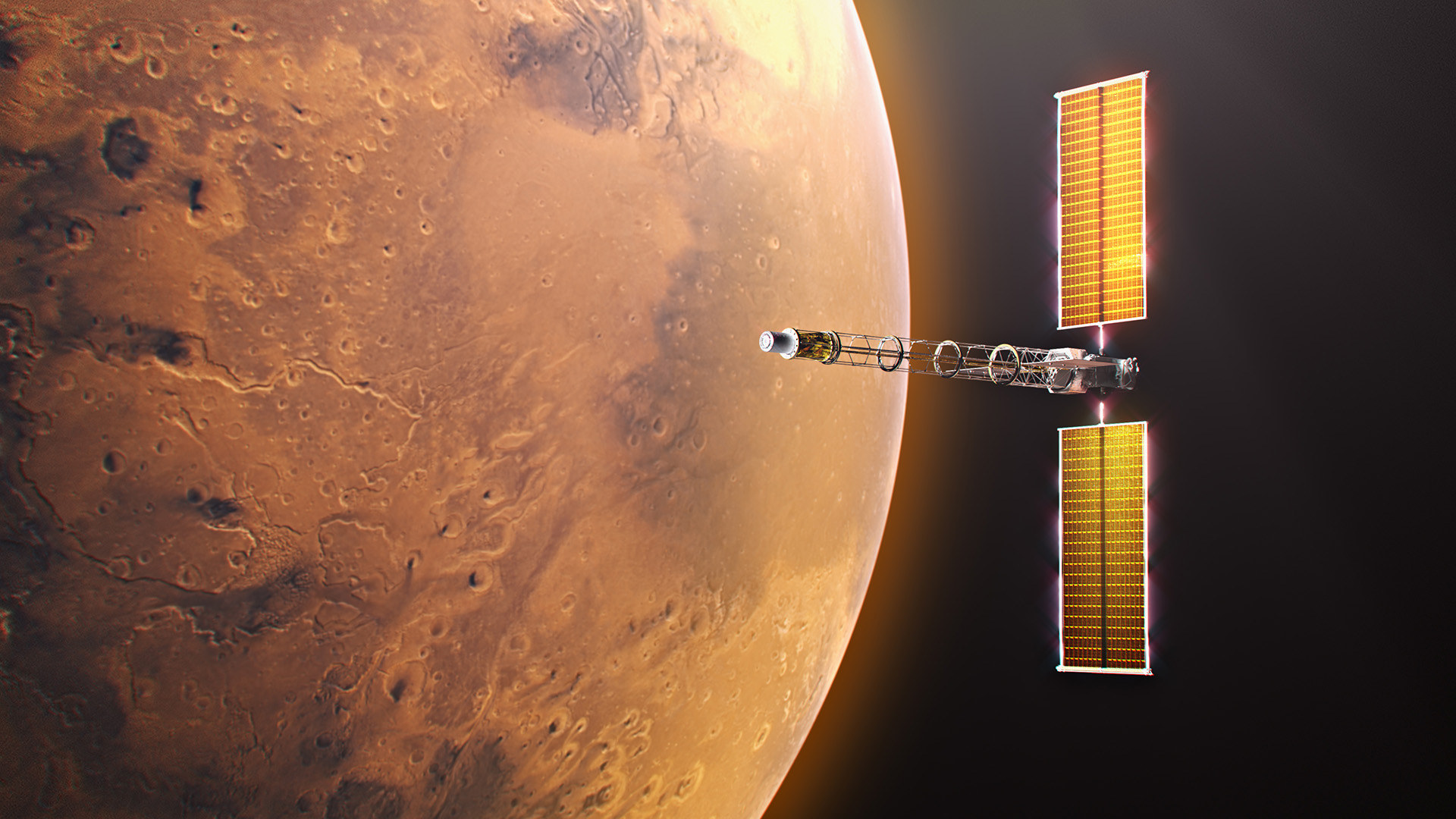
The SR-1 Freedom, destined for Mars, will be equipped with a unique nuclear power module. Positioned at the end of the spacecraft’s extending boom, this module houses a nuclear reactor that generates heat through nuclear fission. This thermal energy is then converted into electrical power by a conversion system, which will energize the spacecraft’s systems and its electric propulsion. This nuclear electric propulsion technology is a critical demonstration for deep space missions.
Partnership and Safety First
Sierra Lobo Inc. is tasked with developing the closed-cycle Brayton conversion system, responsible for transforming the reactor’s heat into electricity. This work is being conducted under the Space Flight Systems Development and Operations Contract III, awarded in 2024. The nuclear reactor itself is being developed by the Idaho National Laboratory, a U.S. Department of Energy (DOE) facility. NASA and DOE are adhering to the strictest safety standards throughout the SR-1 Freedom’s development. This includes interagency safety reviews, continuous oversight from NASA’s Chief Safety Officer, compliance with regulatory requirements, and a rigorous design process focused on risk analysis, fault tolerance, and nuclear safety. Crucially, the SR-1 Freedom’s nuclear reactor will remain inactive until the spacecraft has safely departed Earth’s orbit.
Mars Mission and Future Prospects
The SR-1 Freedom is scheduled for launch in late 2028. The mission will deliver the SkyFall scientific payload to Mars, comprising a team of three Martian helicopters building upon the experience gained from the Ingenuity project. These helicopters will gather scientific data, explore new regions, and search for potential water sources. The success of SR-1 Freedom will pave the way for deeper space exploration and the development of a new generation of nuclear power systems, essential for supporting NASA’s lunar bases, particularly in areas of prolonged darkness or where solar power is insufficient.