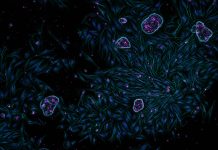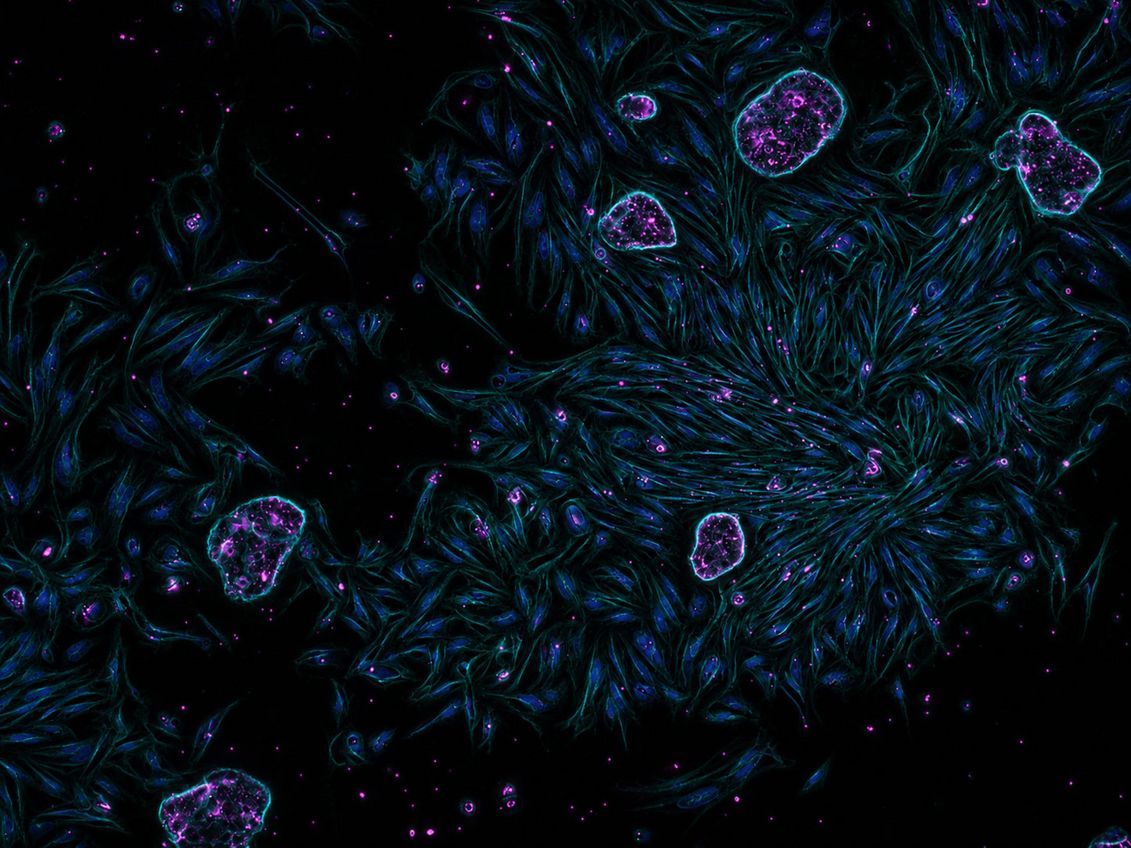
NASA is conducting a unique study of cancer cells in the microgravity environment aboard the International Space Station (ISS). This research aims to enhance our understanding of how tumor cells move and interact in weightlessness, paving the way for more accurate metastasis prediction methods and the development of personalized cancer treatments.
How the ISS Experiment Works
The research, dubbed Encapsulate-1, utilizes specialized biochips to grow micro-tumors from patient cells. These structures are cultivated in space, over 320 kilometers above Earth, where the absence of Earth’s gravity alters cellular interaction physiology. Such conditions can reveal cancer mechanisms not observable on Earth.
Significance for Future Oncology
The findings from this study could contribute to:
- Predicting the risk of metastasis in individual patients;
- Optimizing the development of tailored anti-tumor therapies;
- Uncovering new biomarkers and therapeutic targets.
The ISS, orbiting Earth at low altitude, serves as an unparalleled platform for innovative biomedical science that is difficult to replicate on Earth’s surface.