The U.S. National Aeronautics and Space Administration (NASA) has announced the BPS Digital AVATAR Challenge, a competition aimed at developing innovative computational models, dubbed “digital twins,” to predict the impact of spaceflight on astronaut health. This initiative is part of a broader Biological and Physical Sciences program focused on ensuring crew safety during long-duration missions beyond Earth, particularly for future expeditions to the Moon and Mars.
From “Organs-on-Chips” to Personalized Medicine
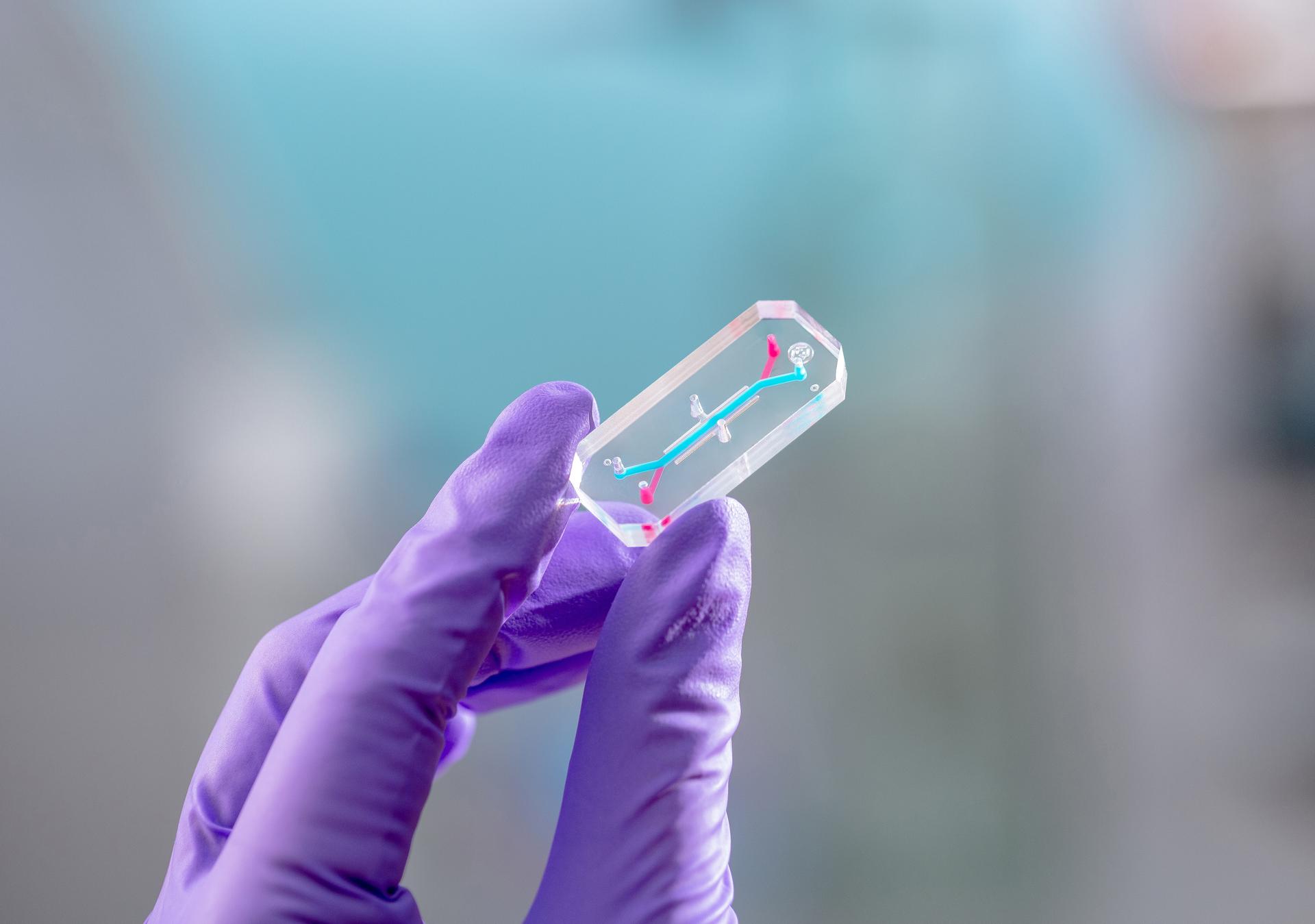
At the core of this research is the AVATAR (A Virtual Astronaut Tissue Analog Response) concept, which leverages advanced “organ-on-a-chip” technologies. These miniature bioengineered models, designed to mimic human organ functions, are created using cells from actual astronauts. This approach allows for detailed study of how microgravity and increased radiation in space affect human physiology. The first demonstration of such an “organ-on-a-chip” was successfully conducted during the Artemis II mission, gathering valuable biological data from an astronaut analog.
Digital twins are a crucial element of this strategy. They represent complex computational models that integrate diverse data, ranging from the characteristics of the space environment to multi-level biological indicators of a specific individual. The goal is to create personalized computer models capable of predicting an astronaut’s physiological response to space stressors, thereby enabling the development of tailored medical recommendations and countermeasures.
A Call to the Scientific Community: Data Integration and Prediction
The BPS Digital AVATAR Challenge invites scientists worldwide to apply their expertise in computational technologies and artificial intelligence to develop these digital twins. Proposed solutions must be capable of processing various multimodal data, utilizing modern computational biology methods and digital twin architectures to create personalized, predictive models of astronaut physiology. Special attention will be given to modeling immune responses and hematopoietic processes in bone marrow, as well as the model’s ability to continuously update based on new empirical data.
Participants in the challenge will compete for a total prize pool of $150,000 USD. Registration is open until February 12, 2027. This challenge opens new horizons for the advancement of space medicine, potentially revolutionizing approaches to maintaining astronaut health and enhancing crew performance in the most demanding environments.