NASA is optimizing its process for assessing the impact of extreme vibrations and shocks on spacecraft and launch vehicles. A new approach, utilizing commercial software, allows engineers to predict the performance of hardware under launch conditions more quickly and accurately, thereby reducing the risk of failures and increasing mission reliability.
A Path to Safer Launches
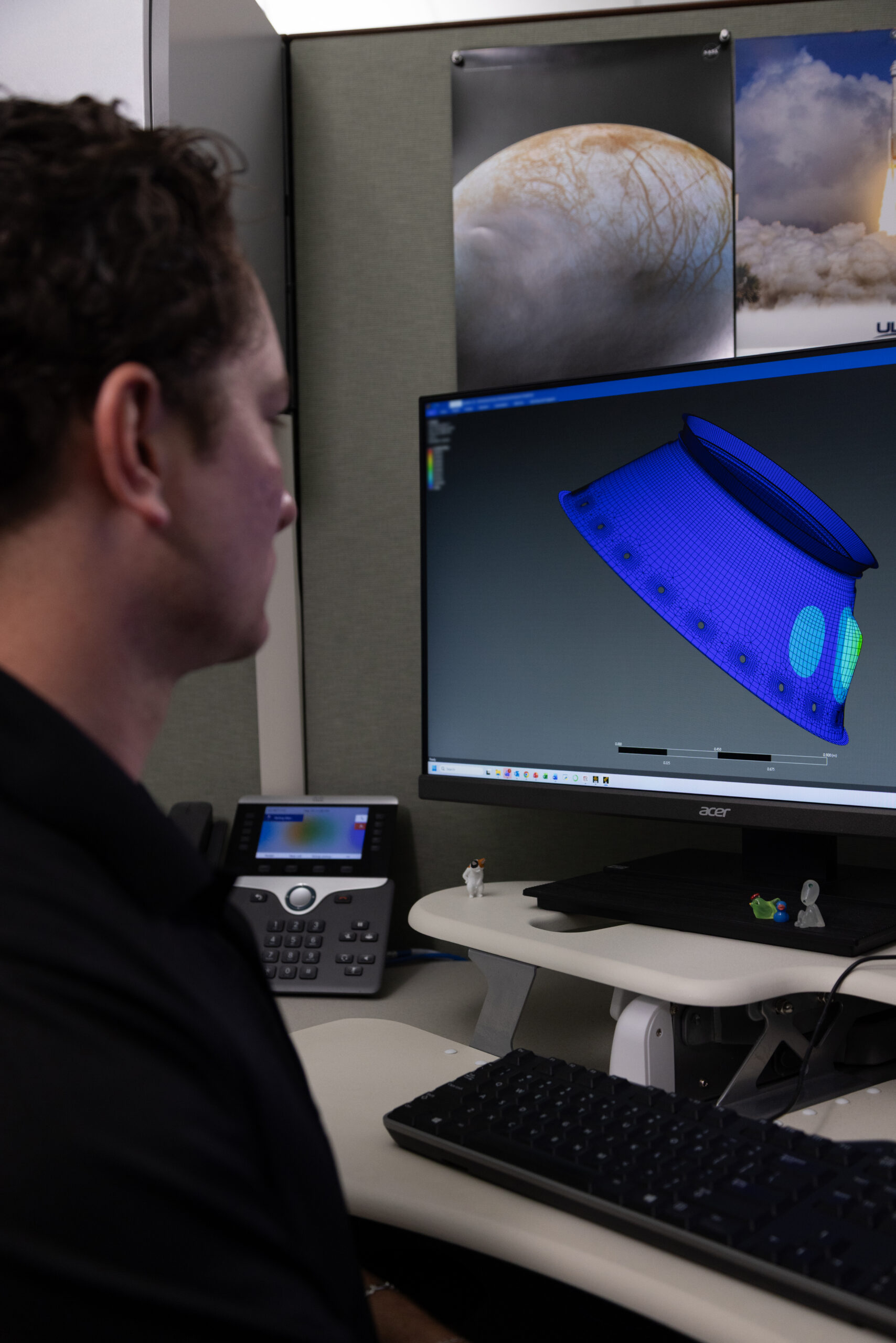
A rocket launch into space is accompanied by intense vibrations, jolts, and loads that a spacecraft, with its sensitive scientific equipment, must withstand. To ensure this, NASA engineers meticulously analyze the potential effects of these forces well before liftoff. Recently, the Dynamic Environment Branch of the Launch Services Program Office at Kennedy Space Center has refined its methods for shock and vibration analysis. They have developed a standardized workflow for finite element modeling, enabling a more precise evaluation of the resilience of launch vehicles and spacecraft to extreme launch conditions.
New Simulation Capabilities
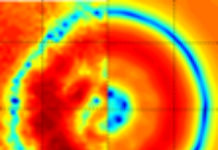
This computer-aided method predicts how rockets and spacecraft will behave under extreme conditions before hardware components are even manufactured. This helps identify weak points and potential failure risks early on, allowing teams to promptly address discovered shortcomings. Notably, the software was used for the first time during the certification of a commercial partner’s rocket selected for a NASA mission. While the partner conducted vibration testing, they did not perform shock testing. The NASA team was able to rapidly conduct shock analysis using a template they created, which facilitated comparing different scenarios, visualizing structural behavior, and answering complex questions that previously would have required extensive manual modeling. This approach not only validated the company’s flight condition test results but also provided new data regarding the impact of shock during transportation.
Saving Time and Improving Knowledge
Traditionally, engineers assessed shock and vibration loads based on empirical rules or by scaling data from previous missions. While this method was functional, it heavily relied on engineering experience and simplifications. The new software replaces older tools by providing a standardized template that more efficiently guides engineers through vibration profiles and shock conditions. The finite element method breaks down a complex structure into smaller components, allowing computers to accurately predict a spacecraft’s reaction to specific forces or launch conditions. This is crucial because problems identified on the ground can be resolved, whereas most malfunctions after a rocket’s liftoff are unfixable. The new workflow has already saved months of work, enabling the team to perform analyses independently without waiting for reports or data from other departments. It has also helped identify risks that were previously overlooked. NASA’s Launch Services Program is responsible for launching spacecraft that explore Earth, other planets, and the universe, and it continuously implements new tools like this to ensure the highest probability of success for every mission.