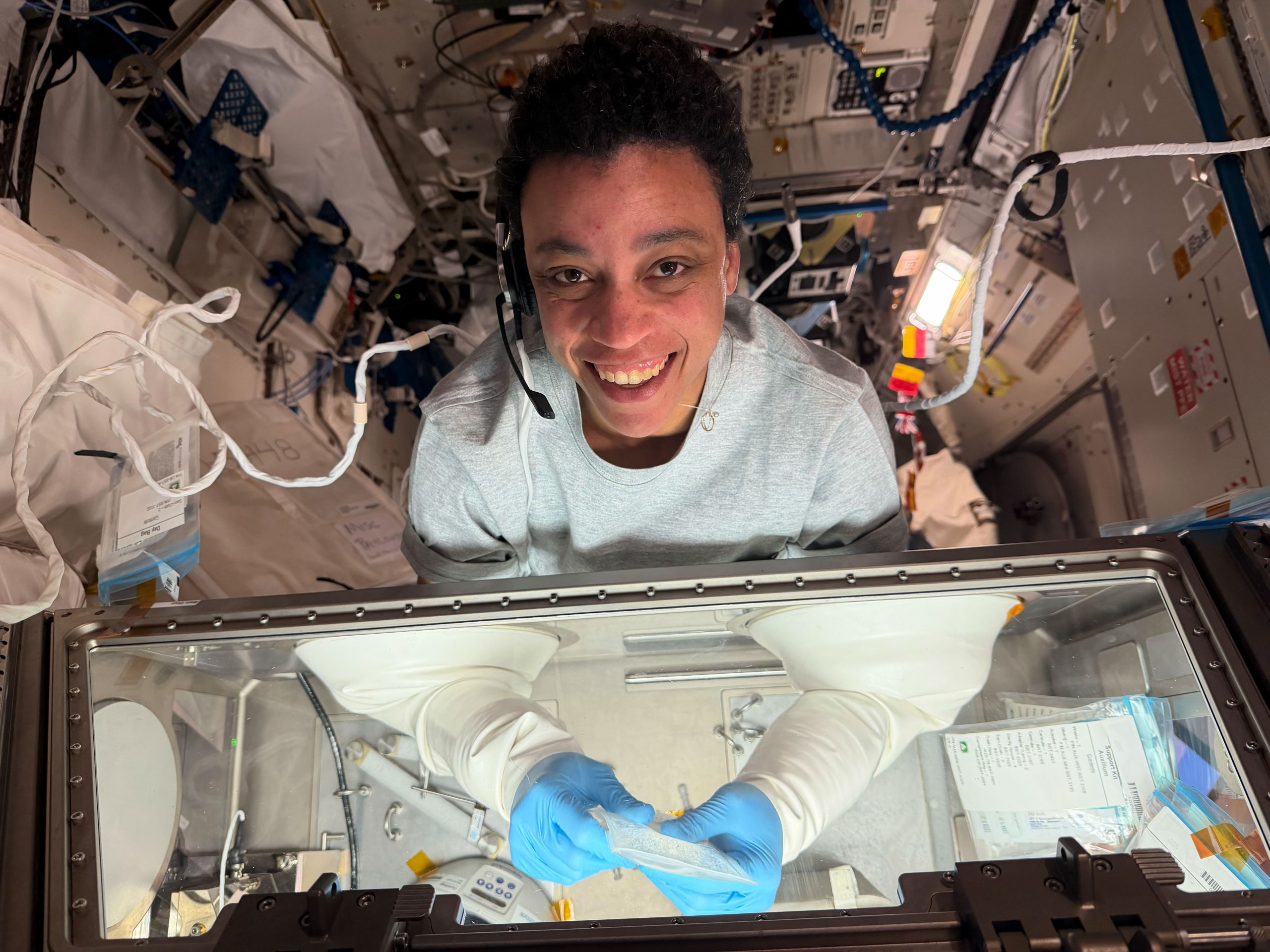
NASA astronaut Jessica Watkins is at the forefront of groundbreaking biological research aboard the International Space Station (ISS). On October 9, 2026, she successfully utilized the advanced InSPA‑Auxilium Bioprinter‑Cell Printing investigation to mix living cell samples with bioink and fill a specialized cartridge. This cutting-edge experiment aims to 3D print high-quality cartilage tissue in microgravity, a feat with significant implications for both Earth-bound medical treatments and the health of astronauts on long space missions.
Advancing Medical Solutions in Orbit
The InSPA‑Auxilium investigation is meticulously designed to explore the potential of 3D bioprinting in the unique environment of space. By leveraging microgravity, scientists hope to overcome limitations encountered in Earth-based labs, potentially enabling the production of cartilage tissue that is superior in quality and functionality. This development could revolutionize regenerative medicine, offering new therapeutic avenues for patients suffering from cartilage damage due to injury or degenerative diseases.
Benefits for Space Exploration and Beyond
The success of this bioprinting experiment not only promises to advance healthcare on Earth but also holds crucial importance for future human space exploration. Long-duration missions, such as those to Mars, pose significant health challenges for astronauts, including bone and muscle loss. The ability to biomanufacture essential tissues like cartilage in space could be vital for maintaining crew health and well-being, ensuring their readiness for demanding extraterrestrial endeavors. The research conducted by astronaut Watkins underscores the ISS’s role as a critical platform for scientific discovery that benefits all of humanity.
Source: NASA