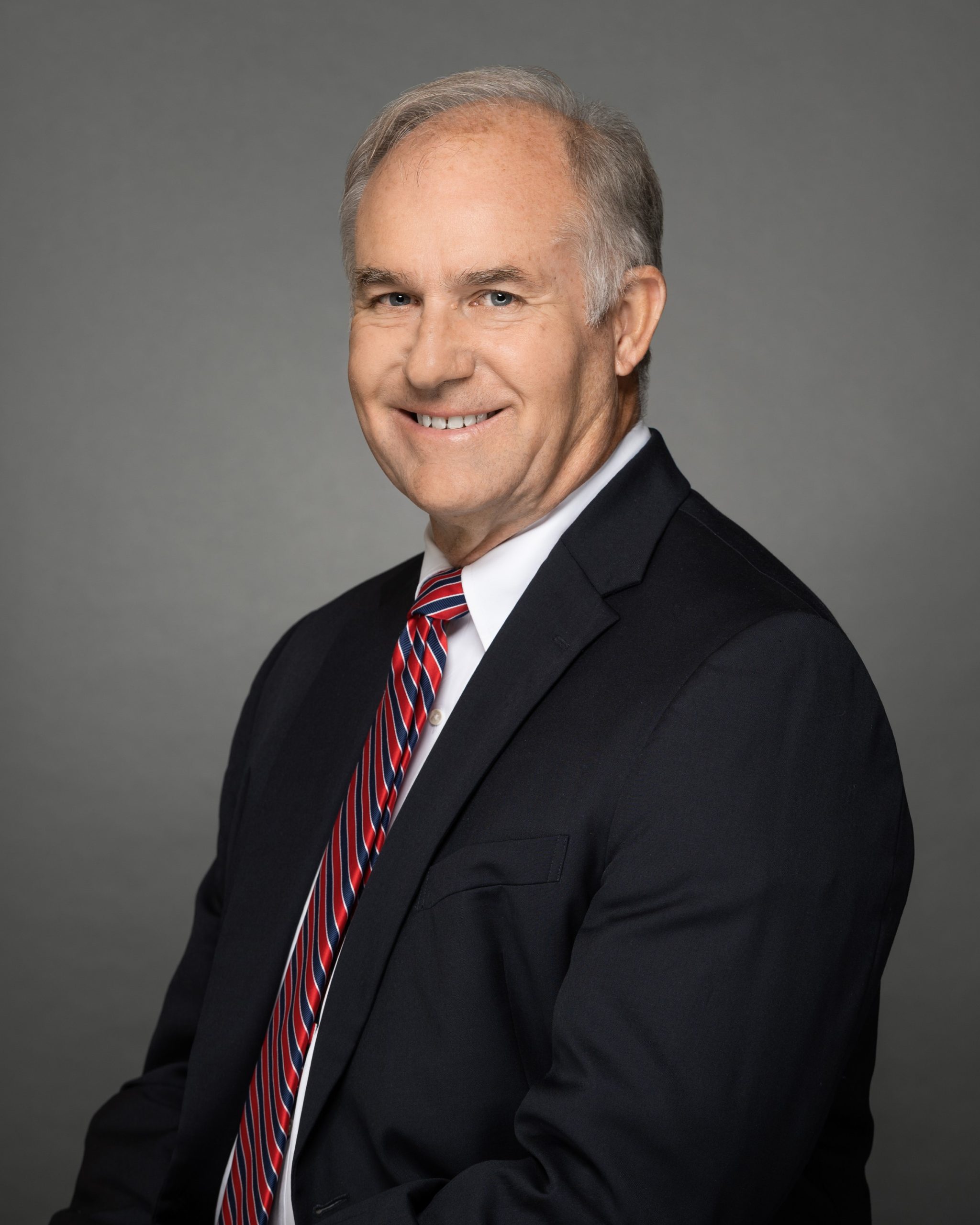
NASA has appointed Stephen “Steve” Cash as the new director of its Marshall Space Flight Center in Huntsville, Alabama. A seasoned engineer with over four decades of experience, Cash returns to the center where he launched his career to steer critical missions, including the Artemis program and future deep-space propulsion technologies. This appointment marks a significant step in reinforcing Marshall’s legacy as a hub for propulsion excellence and groundbreaking space exploration.
A Return to His Roots, A Vision for the Future
Stephen Cash, a name synonymous with NASA’s human spaceflight endeavors, will now lead one of the agency’s most vital facilities. Marshall Space Flight Center is renowned for its pivotal role in developing powerful rockets and advanced space systems. Cash’s leadership is expected to drive innovation in areas such as nuclear power and propulsion, technologies crucial for enabling humanity’s next giant leaps into the solar system, including the ambitious goal of sending astronauts to Mars.
Marshall’s Enduring Legacy and Critical Role
Established in 1960, the Marshall Space Flight Center has been instrumental in shaping American space exploration. From the iconic Saturn rockets of the Apollo era to the development of the Space Launch System (SLS) for the Artemis missions, Marshall has consistently pushed the boundaries of what’s possible. Under Cash’s direction, the center, with its workforce of over 5,000 dedicated professionals, will continue to excel in:
- Developing cutting-edge propulsion systems.
- Managing vital programs like the Human Landing System.
- Advancing scientific research and technology development.
- Strengthening manufacturing and structural engineering capabilities.
Cash’s extensive background, including his tenure as manager of the Space Shuttle Propulsion Office and director of Marshall’s Safety and Mission Assurance Directorate, positions him perfectly to guide the center’s future initiatives. His recent induction into the Alabama Engineering Hall of Fame further underscores his significant contributions to the field.
Source: NASA