NASA is ramping up its efforts in developing lunar rovers, which will be crucial for establishing humanity’s first permanent base on the Moon. These robotic and crewed vehicles are designed to provide surface mobility, conduct essential research, and aid in resource prospecting, laying the groundwork for sustained astronaut presence on Earth’s natural satellite.
Robotic Explorers: VIPER and its Critical Mission
A cornerstone of this initiative is the VIPER (Volatiles Investigating Polar Exploration Rover) robot. Slated for a 2027 mission to the Moon’s South Pole, VIPER will explore permanently shadowed craters in search of water ice and other valuable resources. The rover is expected to traverse over 30 kilometers, gathering data on temperature, illumination, and terrain features. This information is vital for understanding the origin and distribution of lunar water, assessing the potential for in-situ resource utilization to support a base, and deciphering the Moon’s formation history.
VIPER is currently undergoing final testing at Johnson Space Center in Houston, Texas, before its relocation to Kennedy Space Center in Florida for launch. Mission operations will be managed from NASA’s Ames Research Center in Silicon Valley, where teams are simulating various lunar surface operational scenarios.
Crewed Rovers: A Key Step Towards Lunar Base Operations
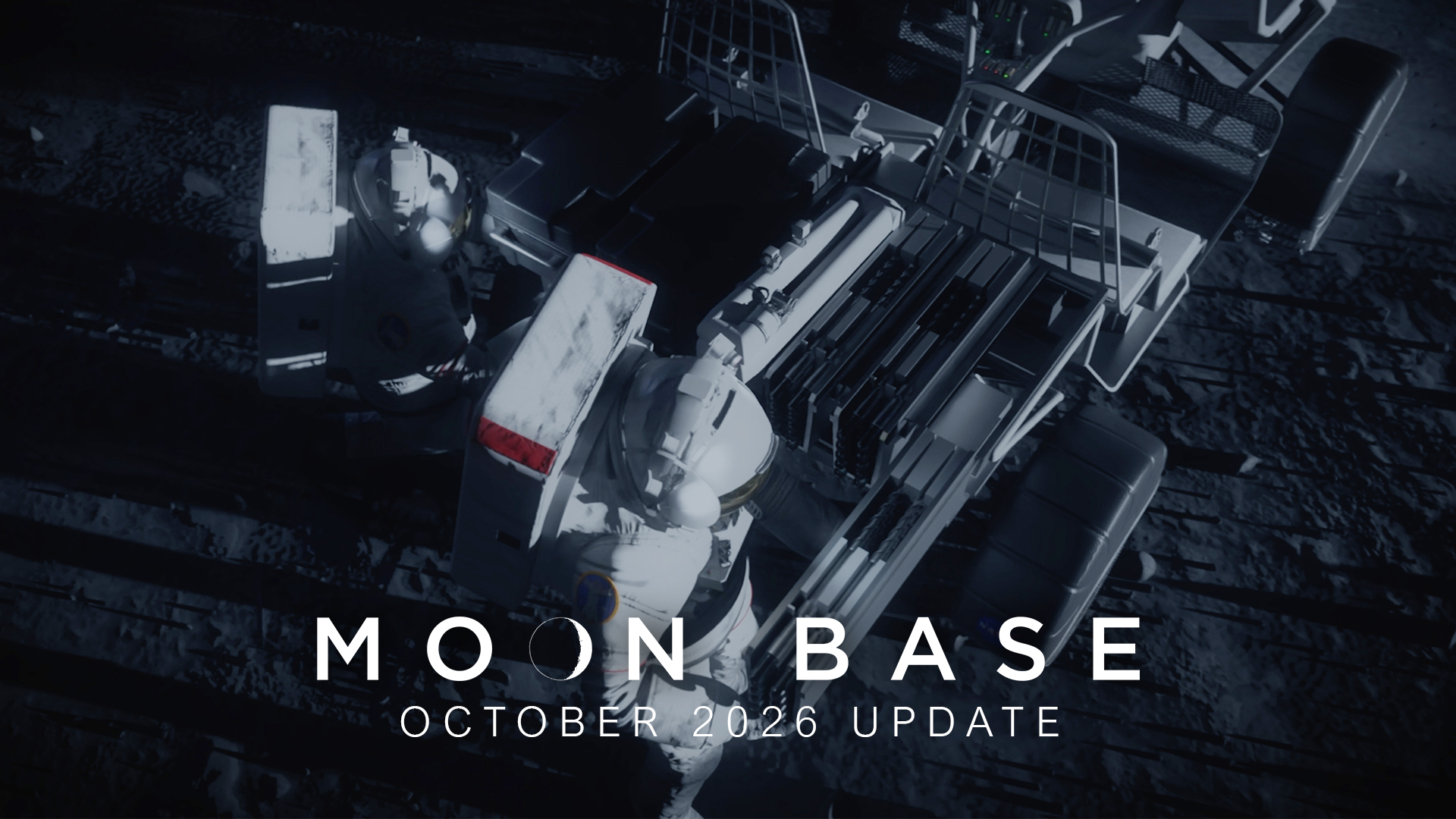
NASA is also making significant strides in the development of crewed lunar terrain vehicles (LTVs). The agency has already secured agreements with Astrolab and Lunar Outpost to develop the initial phase of these vehicles, which are intended to be delivered to the Moon before the arrival of the first Artemis astronauts. Blue Origin has been awarded a contract to deliver these LTVs to the lunar South Pole by 2028, under the Commercial Lunar Payload Services (CLPS) initiative.
These rovers will be remotely operated from Earth and capable of covering up to 6 kilometers daily, mapping the surface to create highly detailed regional maps. They will collect crucial data on performance in extreme conditions, including illumination, navigation, power efficiency, and functionality in shadowed regions where temperatures can plummet to -203°C (-333°F). This data will be invaluable for the future development of the lunar base.
Lunar Terrain Vehicle (LTV) Specifications:
- Support up to three suited spacewalks per Artemis mission.
- Capacity to transport up to 80 kilograms of lunar samples and tools.
- Range of up to 10 kilometers on a single battery charge.
Moving forward, Artemis astronauts will utilize the LTVs to explore diverse geological zones at the Moon’s South Pole, collecting samples for subsequent analysis on Earth.
Source: NASA