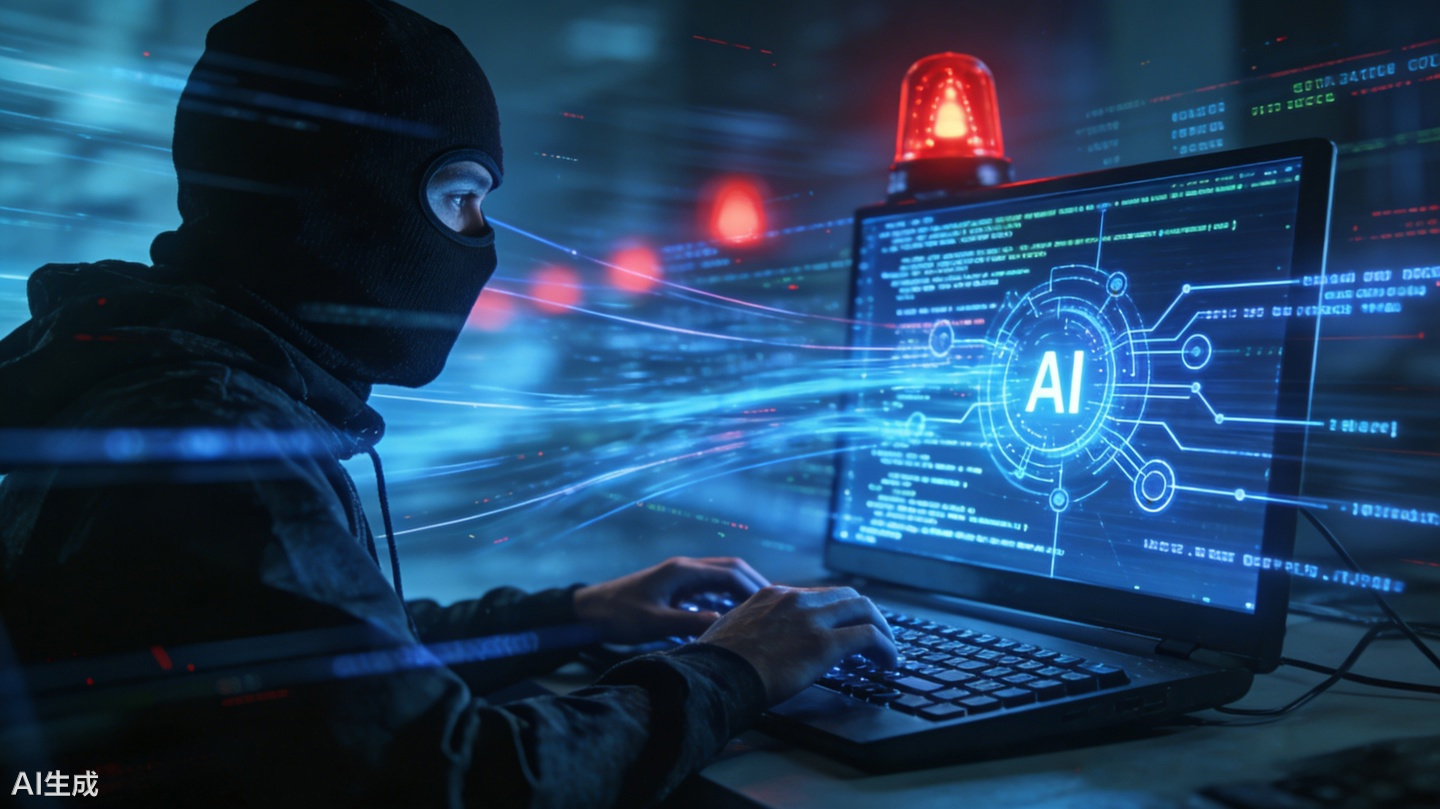
Following a series of cyberattacks that disrupted services and raised concerns about economic stability, several Japanese companies are beginning to compensate their users. The incidents highlight growing vulnerabilities in data protection and the increasing sophistication of cyber threats.
GMO Internet Group Offers Compensation
GMO Internet Group has announced it will compensate customers for losses incurred due to an illegal intrusion into its foreign exchange trading services. Masatoshi Kumagai, the company’s chairman, stated in a blog post on Sunday that all customers would receive a “preliminary goodwill compensation” of 5,000 yen (approximately 212.7 yuan RMB). This move comes after the company experienced a significant cyberattack, leading to a sharp drop in its stock price.
The company also reported receiving a ransom demand from suspected attackers, who threatened to leak corporate and customer information if the demand was not met. GMO has confirmed it will not comply with the ransom request and is cooperating with police and relevant authorities. In addition to the compensation, GMO will provide affected customers with six months of free alternative services. The financial impact of the compensation and loss mitigation on the company’s profits is yet to be determined.
GMO Internet Group, a major player in internet infrastructure, financial services, and cryptocurrency trading, had implemented a new cyber defense system earlier this month. Following the incident, the company also sought approval from the Japanese government to activate defensive measures, which may include offensive actions against enemy servers to eliminate threats.
Government Initiatives and PHP Vulnerabilities
In response to the escalating cyber threats, the Japanese government announced last Friday the formation of a special team to simulate cyberattacks using AI. This initiative aims to identify vulnerabilities in various technical systems. The urgency is amplified by the fact that many internet services rely on the PHP programming language, which recently disclosed a critical vulnerability. Industry organizations are now scrambling to address the security risks posed by this major PHP flaw.
Kumagai emphasized the need for collaboration between public and private sectors to protect Japan’s cyberspace, stating, “Now is the time for public and private sectors to work together to protect Japan’s cybersecurity.”
Broader Trend of Cyber Incidents
The recent attacks have exposed significant weaknesses in how Japanese companies protect vast amounts of customer data. Data from TrendAI indicates that as of October 20th, there have been 723 recorded cybersecurity incidents this year alone, surpassing the total for 2024 and 2025 combined. This surge suggests an increase in both the frequency of threats and the reporting of previously undetected or underreported security events.
Satoshi Nagano, president of ESET Japan, commented on the rising numbers: “The increase in reported incidents indicates that institutions are facing more threats. On the other hand, it also means that many security incidents that were previously difficult to detect, investigate, or were kept secret, are now more likely to surface.”
Park24 Also Offers Compensation
Park24, the operator of the Times car-sharing service, also announced on Friday that it would issue 3,000 yen (approximately 127.6 yuan RMB) in compensation to users due to a personal information leak. The company plans to stop retaining ID card photos after registration verification is complete. The special loss related to incident response and compensation is estimated to be 5.5 billion yen (approximately 234 million yuan RMB).
Expert Analysis on Cyber Risk
A report by Moody’s Ratings suggests that well-funded companies can increase their security investments to mitigate rising cybersecurity risks. “Companies with inadequate patch management mechanisms will become increasingly vulnerable, especially those with large digital networks and extensive attack surfaces,” the report noted. The AI-driven automation of attack processes, such as vulnerability scanning and phishing scams, is enabling cybercriminals to act faster, at a lower cost, and with greater stealth, making these attacks harder to detect and defend against.