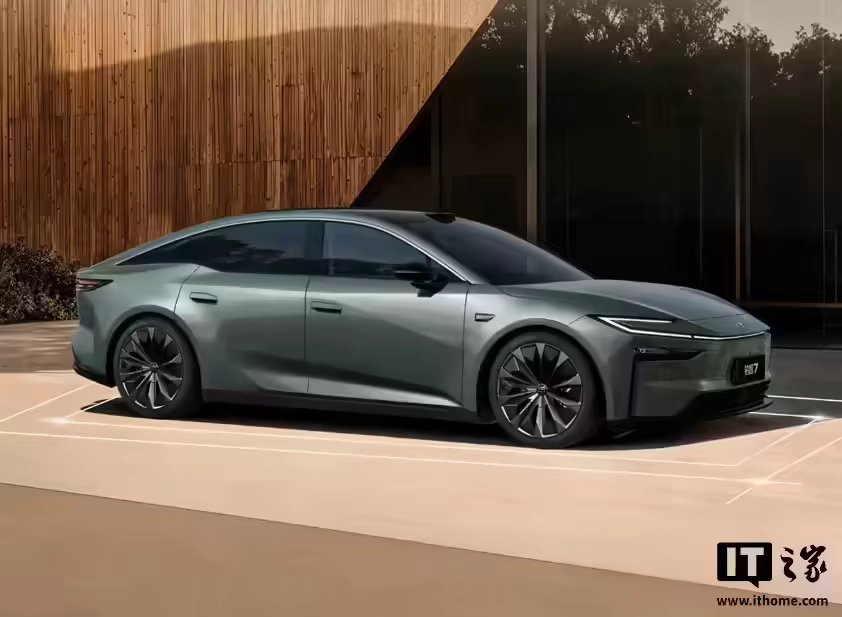
The three major Japanese automakers – Toyota, Nissan, and Honda – have reported significant drops in their new car sales in China for July 2026. All three companies experienced year-on-year declines, signaling continued pressure in one of the world’s largest automotive markets.
July Sales Figures Reveal Steep Declines
Toyota saw its July sales reach 114,700 units, a decrease of 24.3% compared to the same period last year. Nissan’s performance was particularly concerning, with sales falling by a dramatic 58.7% to 23,677 units, marking the fourth consecutive month of decline. Honda also reported a substantial drop, with sales down 44.1% to 25,052 units, continuing a downward trend for the thirtieth consecutive month.
Year-to-Date Trends Show Persistent Slump
The struggles in July are part of a broader trend observed throughout the first seven months of 2026. Year-to-date cumulative sales figures paint a grim picture for the Japanese manufacturers:
- Nissan’s cumulative sales stand at 261,100 units, down 22% year-on-year.
- Toyota has sold 809,400 units, representing an 18% decrease.
- Honda’s cumulative sales have fallen to 238,700 units, a significant 36% drop, making it the largest decline among the three.
The Rise of New Energy Vehicles and Domestic Brands
This collective sales pressure on Japanese automakers occurs against the backdrop of China’s rapidly accelerating new energy vehicle (NEV) market. In July 2026, domestic NEV sales reached 1.561 million units, a 23.7% increase year-on-year. For the first time, the monthly NEV market penetration rate surpassed the 60% mark, hitting 60.4%. Cumulatively, from January to July, NEV market share exceeded 50% for the first time, reaching 51.2%, officially positioning NEVs as the mainstream choice in the Chinese automotive market, displacing traditional internal combustion engine (ICE) vehicles.
Furthermore, Chinese domestic brands are steadily increasing their market share. In July 2026, their share of the passenger car market reached 77.4%, a year-on-year increase of 7.2 percentage points. Consequently, market shares for traditional joint ventures, including German, Japanese, American, and Korean brands, have each fallen below 10%.
The retail sales rankings for passenger cars in July further illustrate this shift. Only one ICE joint-venture model, the FAW Toyota Corolla Cross, managed to secure a spot in the top ten, ranking tenth.
Slow Electrification is Key Reason for Decline
Industry analysts attribute the persistent decline in Japanese car sales in China primarily to their slow pace in transitioning to electric vehicles. In crucial areas for younger consumers, such as intelligent cockpit interaction and advanced driver-assistance systems (ADAS), Japanese automakers are perceived to be lagging significantly behind their Chinese counterparts.
To counter this trend, Honda has already transferred the primary development rights for its pure electric models to its joint ventures, Dongfeng Honda and GAC Honda. The company is also actively collaborating with Chinese tech firms like Huawei and Momenta to enhance its intelligent driving capabilities. Honda has outlined plans to launch over 10 new electric models in the Chinese market between 2026 and 2027.