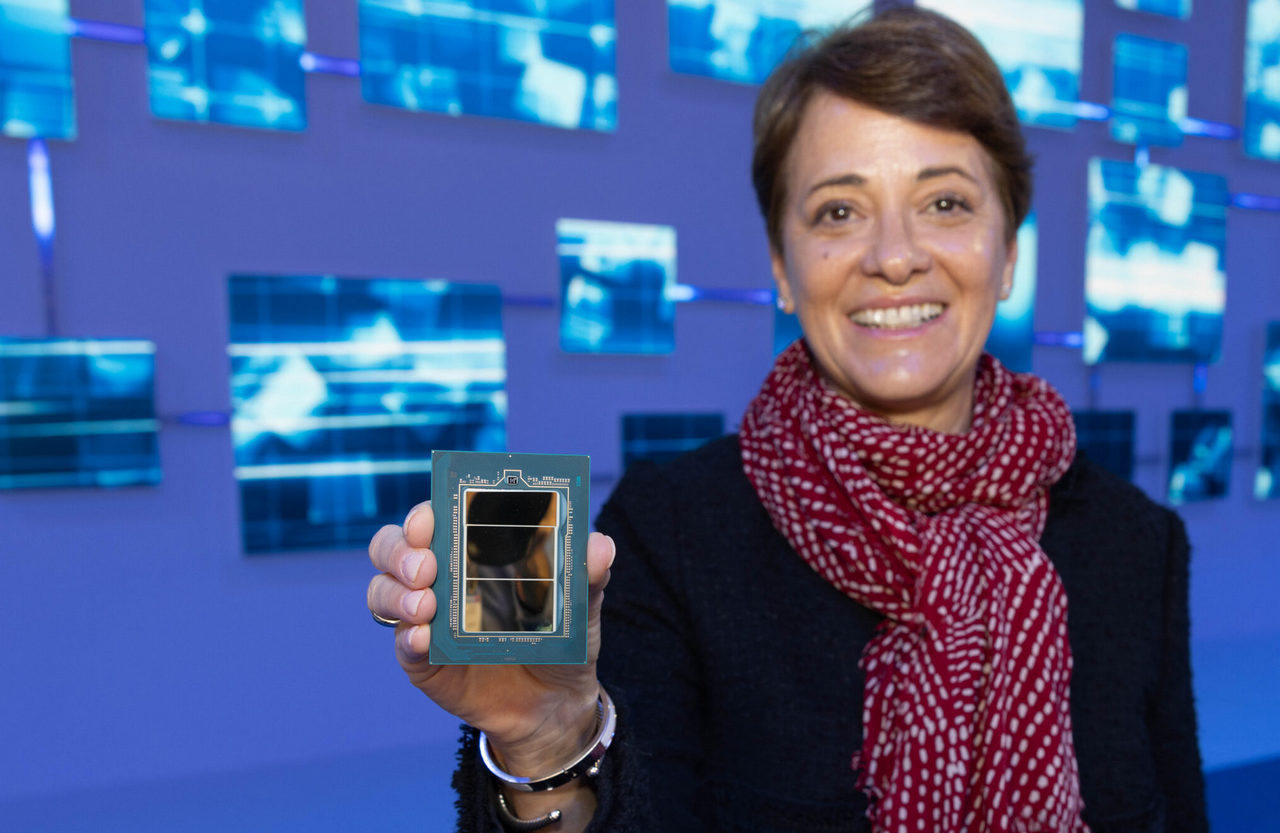
At Mobile World Congress (MWC) 2026, Intel, Nokia, and Dell Technologies unveiled a breakthrough in distributed network architecture. By leveraging the new Intel Xeon 6 SoC (Granite Rapids-D), the partners are bringing high-performance User Plane Function (UPF) capabilities to the most remote and space-constrained edge environments.
The Shift to the “Far Edge”
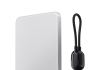
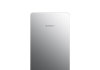
While centralized clouds serve metropolitan hubs, modern industrial zones and suburbs require a more agile approach. The new Nokia Edge Appliances, powered by Dell’s rugged PowerEdge XR8000 series, move compute power closer to the end-user.
-
Intel Xeon 6 SoC (Granite Rapids-D): Featuring up to 72 cores and integrated AI acceleration, this chip is designed specifically for power-constrained edge nodes.
-
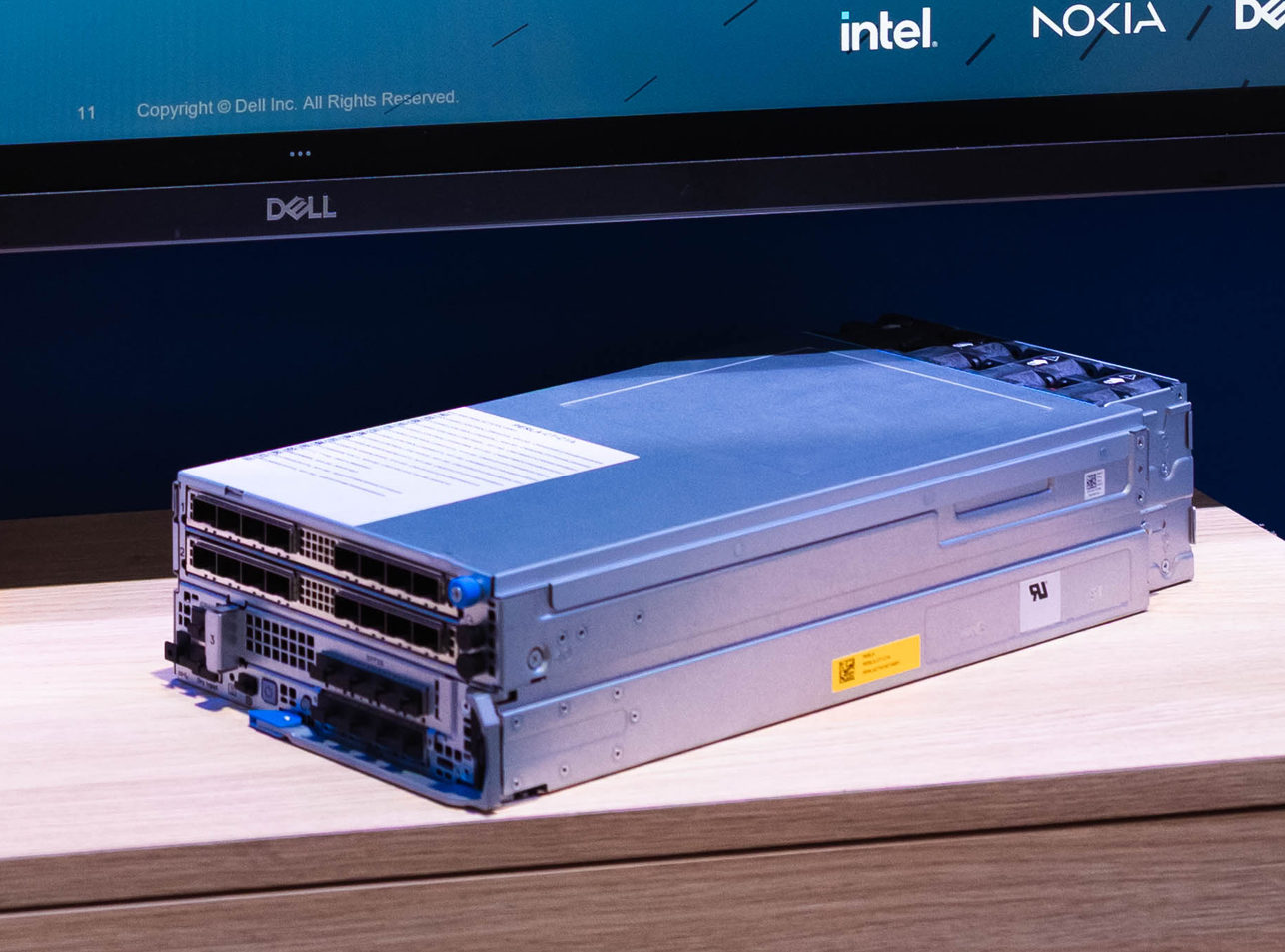
Dell PowerEdge XR8720t: A high-performance 2U multi-node server that provides the backbone for these highly distributed network locations.
-
Nokia NFVI 5.0: This cloud core solution, optimized for Xeon 6 E-cores, now scales from the central data center all the way to the far edge.
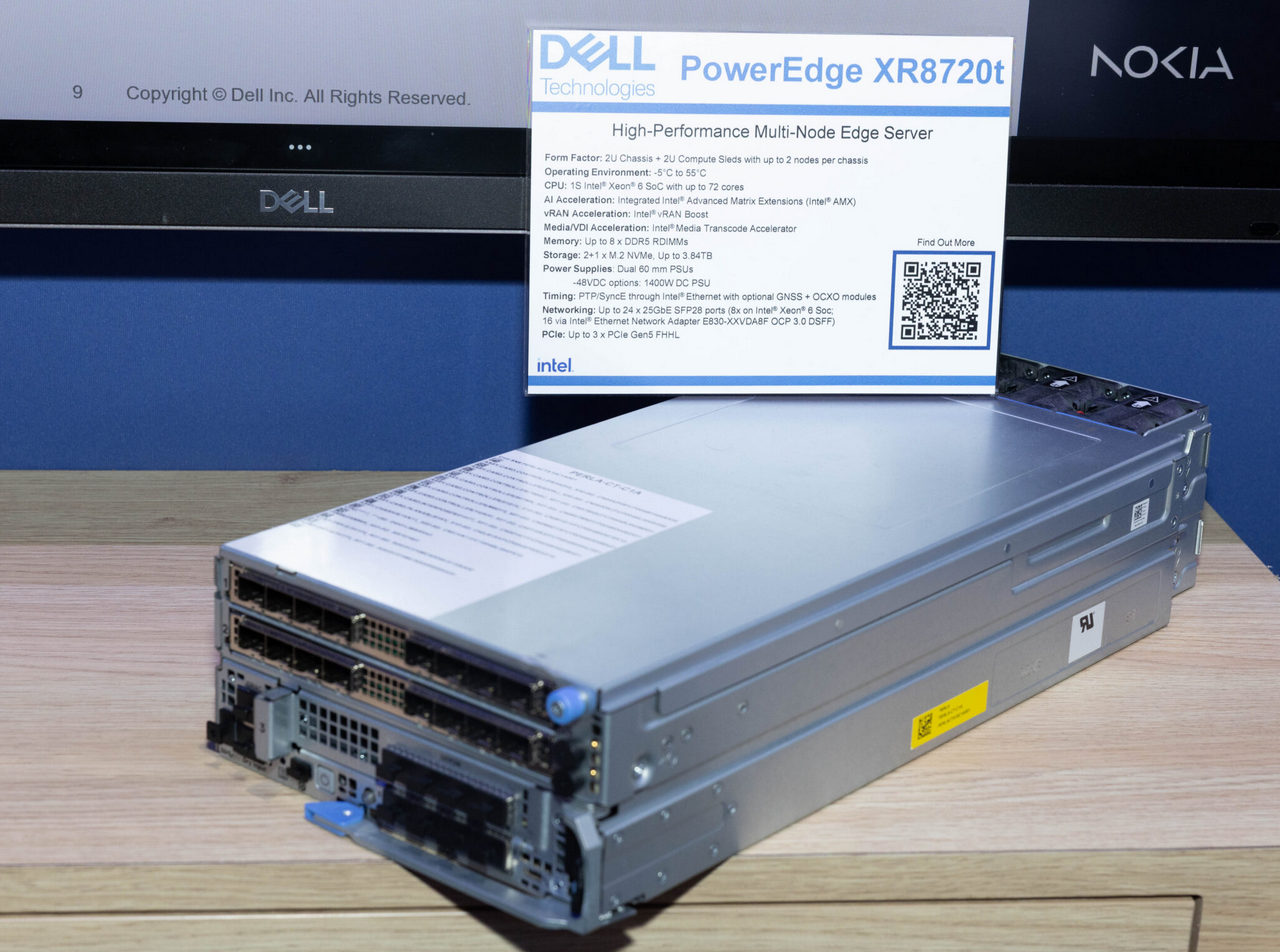
Key Benefits of the Edge UPF Collaboration
| Feature | Impact on Telco Infrastructure |
| Performance Boost | 30% increase in 5G core UPF performance for better user experience. |
| Energy Efficiency | 43% CPU power savings during run-time with Nokia 5G UPF. |
| Latency Reduction | Data travels shorter distances, enabling real-time AI applications. |
| Rugged Scaling | The PowerEdge XR8000 handles extreme temperatures and limited space. |
| Integrated AI | Built-in AI capabilities for edge analytics and network optimization. |
Xpert Take for hitechexpert.top
For the readers of HiTech Expert, this announcement confirms that the “Rip-and-Replace” era of network upgrades is over. Intel and its partners are offering a seamless transition to AI-native 5G networks.
By placing UPF at the far edge, telcos can finally unlock the true potential of Private 5G and Industrial IoT. This isn’t just about faster downloads; it’s about providing the “digital oxygen” for autonomous factories, smart cities, and remote medical services. The availability of these solutions in Q3 2026 marks the start of a more resilient, localized, and energy-efficient global network.