The Indian smartphone market experienced a significant downturn in the third quarter of 2026, with overall shipments plummeting by 26% year-on-year. This marks the lowest point for the same period in the past decade, according to data from market research firm Omdia.
Consumer Caution Dampens Demand
The decline is attributed to a confluence of factors, including cautious consumer spending and rising device prices. This conservative approach to expenditure has led to a total shipment volume of just 35.8 million units. Retailers, anticipating the slowdown, have also adopted a more prudent inventory management strategy, opting to avoid overstocking ahead of the crucial festive shopping season.
Apple’s iPhone Sales Dip but Remain Resilient
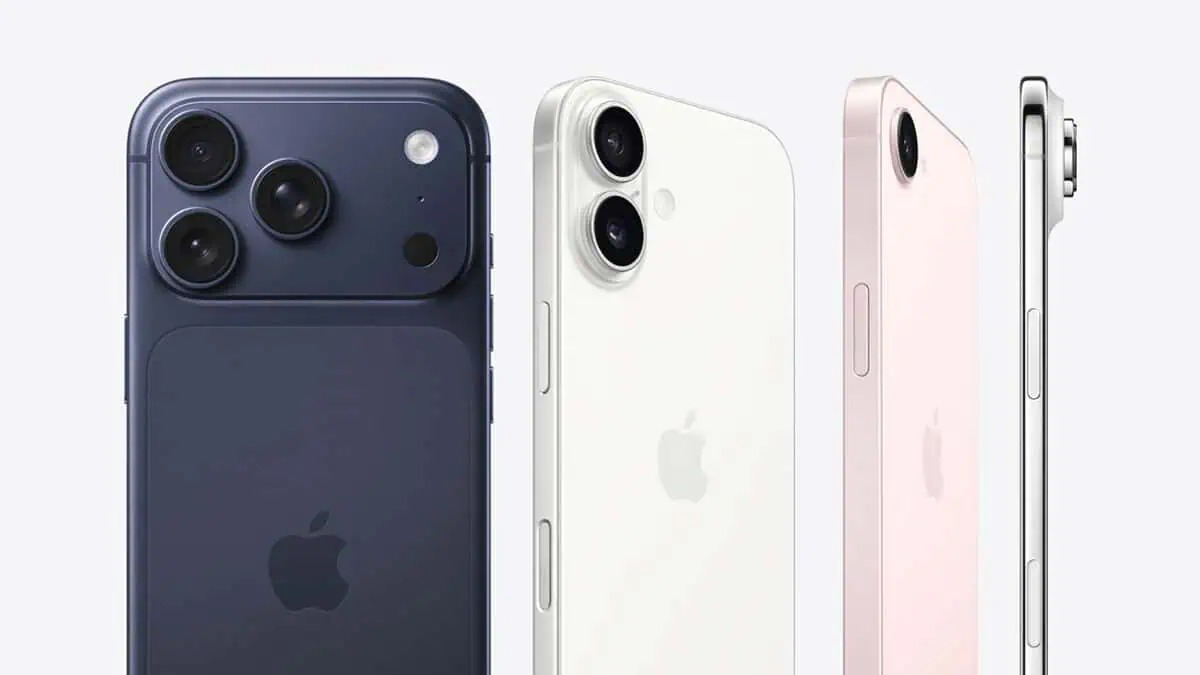
Amidst the market slump, Apple’s iPhone sales in India saw a year-on-year decrease of 20%. Despite this drop, Apple’s performance appears relatively stable when compared to many of its competitors. The company shipped 3.9 million units, securing the fifth position in the Indian smartphone market.
Model Mix and Consumer Choices
Standard models such as the iPhone 16 and iPhone 17 reportedly constituted the majority of Apple’s shipments. Notably, the absence of a new standard iPhone 18 model this year appears to have influenced consumer purchasing decisions, with many opting for older generation devices.
Shifting Strategies for Growth
The current market dynamics suggest that smartphone manufacturers can no longer solely rely on sheer shipment volume to drive growth in India. The focus must shift towards more persuasive strategies to encourage consumers to upgrade their devices. In this challenging economic climate, brands that can offer compelling trade-in deals and effectively highlight their premium offerings are likely to be best positioned to maintain their market standing.
The slowdown underscores the need for manufacturers to adapt their business models, focusing on value propositions and consumer engagement rather than just unit sales. The emphasis on trade-in programs and premium features could become a critical differentiator in the evolving Indian smartphone landscape.