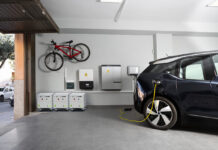
The EcoFlow OCEAN 2 has been unveiled in Ukraine, marking the arrival of a next‑generation stationary energy solution that combines solar generation, battery storage and intelligent management for homes and businesses.
Key Features and Configuration Options
The system is offered in both single‑phase and three‑phase variants to suit different installation scenarios:
- Single‑phase OCEAN 2: equipped with two MPPT charge controllers, inverter power up to 12 kW, and expandable storage capacity up to 30 kWh.
- Three‑phase OCEAN 2: features three MPPT controllers, inverter power up to 24 kW, and maximum storage expansion of 60 kWh.
Technical Specifications
- Inverter power: up to 12 kW (single‑phase) / up to 24 kW (three‑phase)
- MPPT modules: 2 (single) or 3 (three)
- Maximum storage: 30 kWh (single) / 60 kWh (three)
- Battery chemistry: Lithium Iron Phosphate (LFP)
- Cycle life: up to 10 000 charge/discharge cycles
Uninterruptible Backup Power and Battery Longevity
The OCEAN 2 switches to backup power in 0 ms, guaranteeing seamless operation for critical devices during grid outages. The LFP battery architecture provides a long service life of up to 10 000 cycles, while the modular design enables easy scaling to match evolving energy demands.
Compatibility and Smart Energy Management
The solution remains fully compatible with previous EcoFlow generations and third‑party solar panels. EcoFlow’s Home Energy Management System (HEMS) optimizes energy production, storage and consumption, delivering efficient backup power and reducing utility bills.
Xpert Take
The launch of EcoFlow OCEAN 2 underscores the growing demand for resilient, scalable energy storage solutions in both residential and commercial sectors. With its zero‑transfer‑time backup, high‑cycle LFP batteries and flexible MPPT configuration, the system positions EcoFlow as a strong contender against established players in the European and global stationary storage market. Its modular scalability and HEMS intelligence could accelerate adoption among users seeking to combine solar generation with reliable storage, potentially influencing pricing trends and pushing competitors to improve response times and cycle‑life guarantees.