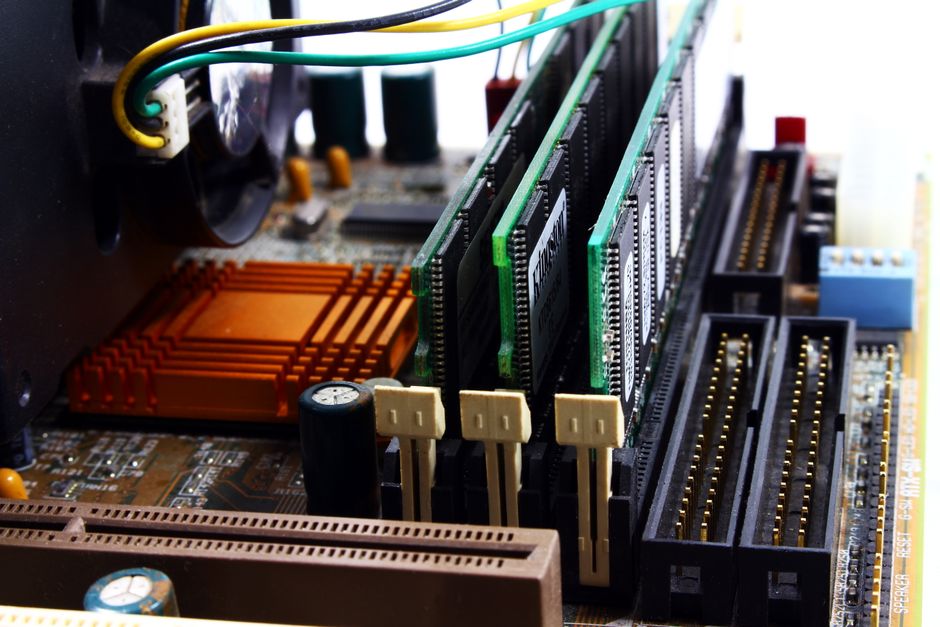
Leading Chinese cloud service providers (CSPs), including tech giants like Alibaba, Tencent, and ByteDance, are reportedly in discussions with South Korean memory manufacturers Samsung Electronics and SK Hynix. The negotiations focus on establishing long-term supply agreements (LTAs) for server-grade memory products.
Server Memory Market Under Negotiation
The discussions encompass both traditional DDR memory, which is currently the standard for x86-based server CPUs, and the more power-efficient LPDDR (Low Power Double Data Rate) memory. While x86 architecture predominantly relies on DDR, the growing adoption of Arm server CPUs sees a portion utilizing LPDDR. LPDDR offers advantages in terms of higher bandwidth and improved energy efficiency compared to DDR, though its maturity and widespread adoption in demanding server environments are still considered less established.
Unprecedented Contract Lengths Discussed
Adding a significant dimension to these talks, some of the involved DRAM customers are reportedly exploring the possibility of securing supply contracts spanning as long as ten years. This is a notable departure from typical LTA durations, which traditionally last for one year, and often extend to three to five years in current market practices. Such extended commitments suggest a strategic move by these major CSPs to ensure stable and predictable access to critical memory components for their rapidly expanding data center infrastructure.
Implications for the Memory Market
The potential for such substantial, long-term agreements could have considerable implications for the global server memory market. By locking in supply for a decade, Chinese CSPs aim to mitigate risks associated with price volatility and potential shortages, especially as demand for cloud services continues its upward trajectory. This also signifies the growing influence of these Chinese tech behemoths in shaping supply chain strategies within the semiconductor industry.
Samsung Electronics and SK Hynix, as two of the world’s largest producers of DRAM, would stand to benefit significantly from securing such long-term commitments. These agreements would provide them with greater visibility into future demand and offer a stable revenue stream, potentially influencing their production planning and investment decisions. However, the negotiations also highlight the delicate balance the memory manufacturers must strike between meeting the demands of major clients and maintaining flexibility in a dynamic market.
The specific terms and finalization of these LTAs remain to be seen. However, the mere fact that these discussions are taking place underscores the critical role of memory technology in the ongoing expansion of cloud computing and artificial intelligence, areas where Chinese tech companies are making substantial investments.