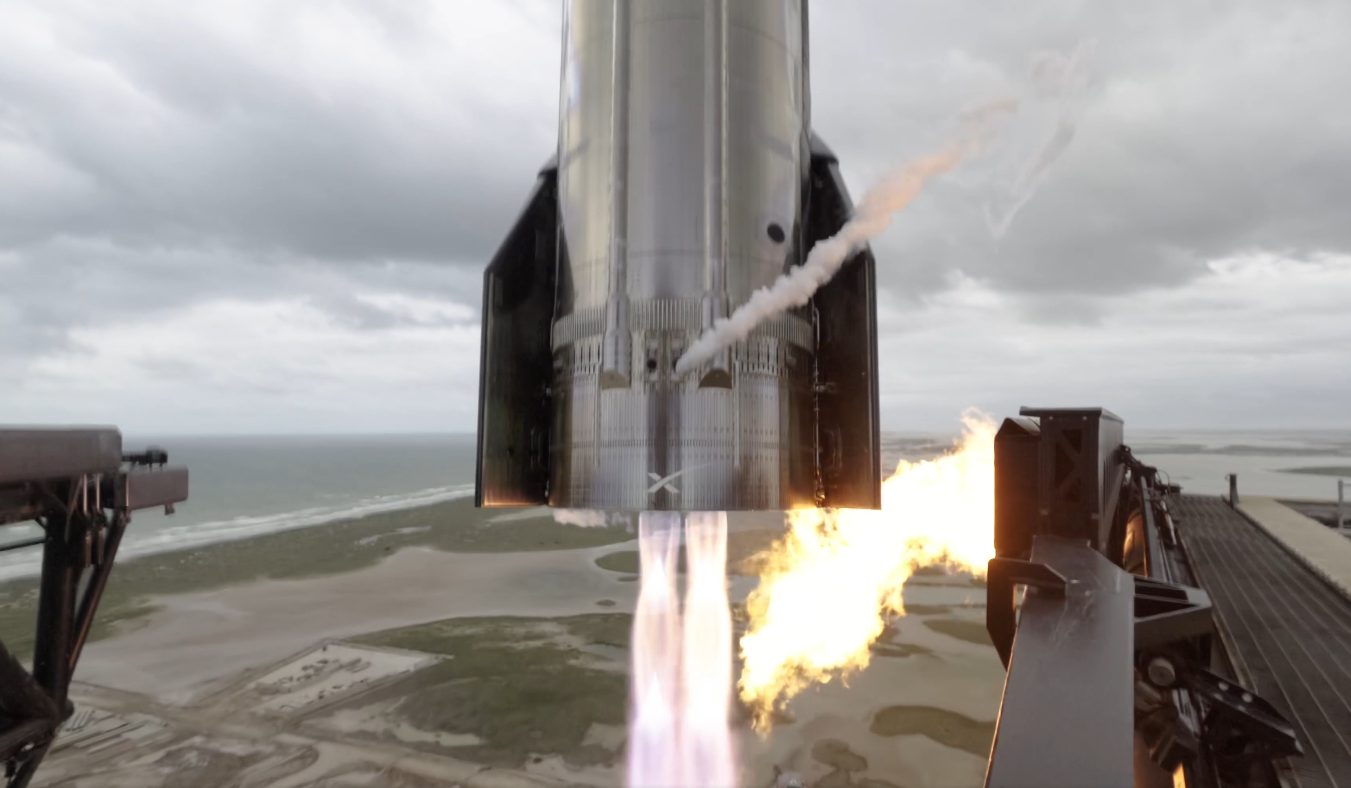
SpaceX has released a series of captivating slow-motion videos showcasing a historic moment: the Starship upper stage being successfully “caught” by the launch tower’s robotic arms, dubbed “chopsticks,” for the very first time. This achievement marks a significant step towards SpaceX’s goal of full and rapid reusability for its groundbreaking Starship spacecraft.
The Starbase tower chopsticks catching their first Starship. This unique architecture was designed for full and rapid reusability, enabling repeat launches and landings from the same pad https://t.co/hjfcnVpxLn
— SpaceX (@SpaceX) November 17, 2026
A New Perspective on a Milestone Achievement
The event, which took place on November 14, 2026, is a crucial development in SpaceX’s pursuit of fully and rapidly reusable spacecraft. While previous footage offered distant views, these new, high-definition shots were captured from four cameras positioned atop the 146-meter (480-foot) tower at Starbase in Texas, providing an unprecedentedly close and detailed perspective of the capture.
‘Chopsticks’ Ready for Reusable Flights
SpaceX describes the tower system as a “unique architecture designed for full and rapid reusability, enabling repeat launches and landings from the same pad.” Starship, the world’s largest and most powerful rocket, is intended to be completely reusable, encompassing both the upper stage (Ship) and the Super Heavy booster. The tower’s “chopsticks” system is designed to grapple both components, facilitating swift inspection, servicing, and preparation for subsequent missions.
During the 15th Starship test flight, the plan was to achieve a dual catch of both the Ship and the Super Heavy booster. However, the Super Heavy booster performed a controlled landing in the Gulf of Mexico due to a low-fuel warning. This was not considered a major setback, as the Super Heavy has already successfully landed multiple times. Catching the orbital-returning Ship, however, presents a significantly greater challenge due to its higher speed and reentry temperatures.
Despite the complexities, SpaceX successfully captured the Ship on its first attempt. During the same flight, Starship also successfully deployed 26 Starlink V3 satellites into low Earth orbit.
Source: Space.com