Earth’s geological record contains vast gaps, spanning over a billion years, where critical historical data is inexplicably absent. Researchers believe they may have finally uncovered the reason behind this remarkable phenomenon, attributing it to processes occurring deep within our planet’s mantle.
The Great Unconformity: A Cosmic Mystery in Our Planet’s Past
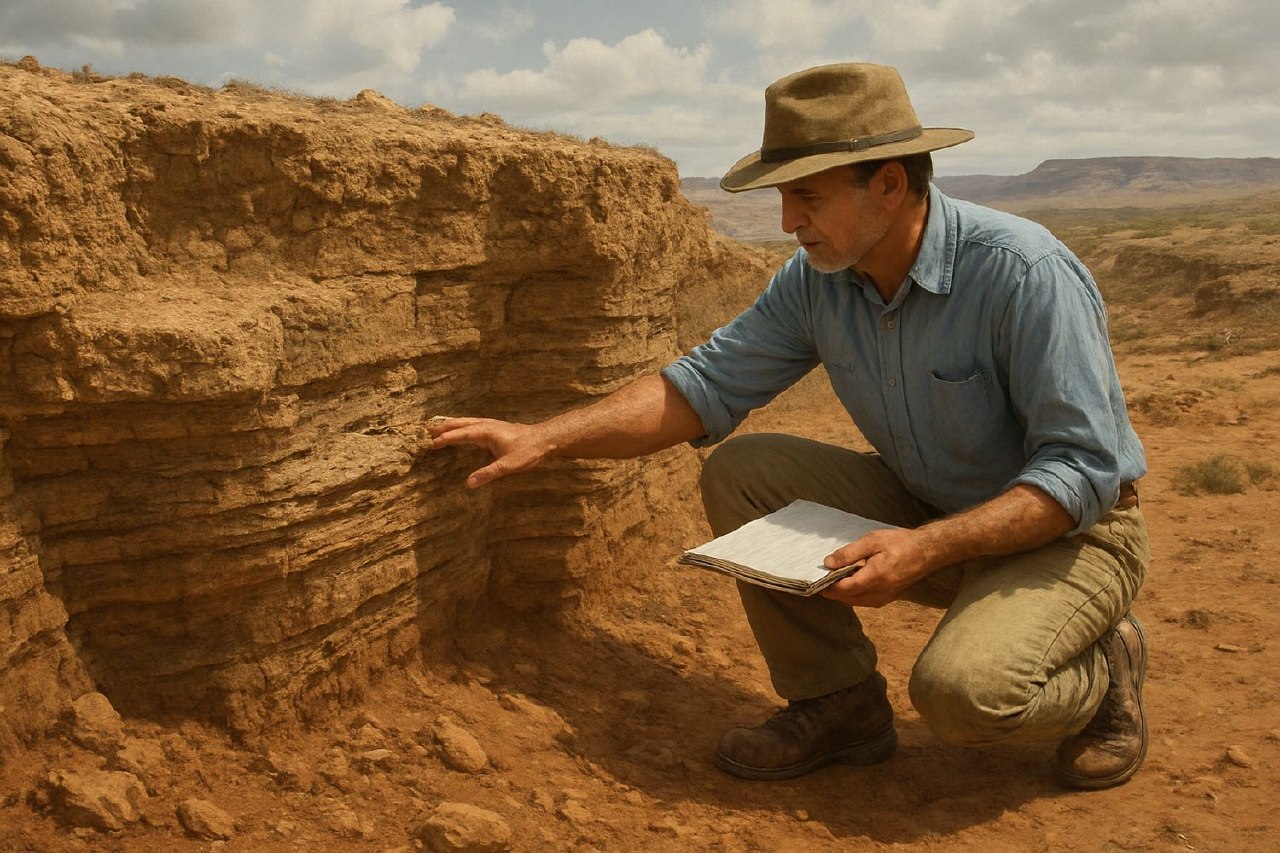
Typically, geological layers accumulate gradually, forming sedimentary rocks that act as archives of Earth’s history. Older layers lie beneath younger ones, enabling scientists to reconstruct ancient environments. However, Earth’s geological timeline is not always so orderly. One of the most striking examples is the Great Unconformity found in the Grand Canyon, where rock layers separated by hundreds of millions of years sit directly atop one another. This phenomenon reveals colossal missing periods in our planet’s geological history. Similar gaps have been identified globally, with the duration of missing history ranging from 200 million to over a billion years.
“Imagine a book with a huge chapter ripped out from the middle,” explains lead author Santosh Dunga. “The Great Unconformity is precisely this gap in Earth’s history, where the narrative jumps from early chapters to a much later period. Our research suggests these pages weren’t torn out randomly.”

Explaining the Missing Geological Record
A new study published in the journal Nature explores the possibility that processes deep beneath Earth’s surface could be responsible for the disappearance of these geological layers. Using computer simulations, scientists investigated how the slow circulation of hot rocks within Earth’s mantle might have affected the continents over hundreds of millions of years. The findings suggest that three major ancient continental regions—Laurasia (modern-day North America), Baltica (Northern Europe), and North China—experienced prolonged periods of uplift during the Neoproterozoic Era (approximately 1 billion to 540 million years ago).
This uplift exposed vast landmasses to weathering and erosion for extended durations, allowing water, wind, and other processes to break down previously formed rocks. However, this is only part of the explanation. The researchers also account for why these gaps remain visible today. Their models indicate that these same regions later began to subside. As sea levels rose relative to the land, sediment accumulated on top of the old, eroded surfaces, creating the distinct divide between ancient and younger rocks that we observe. The study suggests that movements deep within Earth’s mantle played a pivotal role in shaping our current geological record.