NASA is calling on the global scientific community to develop cutting-edge computational ‘digital twin’ technologies to predict and safeguard astronaut health during long-duration space missions. This initiative, part of the BPS Digital AVATAR Challenge, aims to accelerate biological discovery and create personalized health strategies for spacefarers, with potential benefits extending to healthcare on Earth.
The AVATAR Experiment: A Digital Leap for Astronaut Wellness
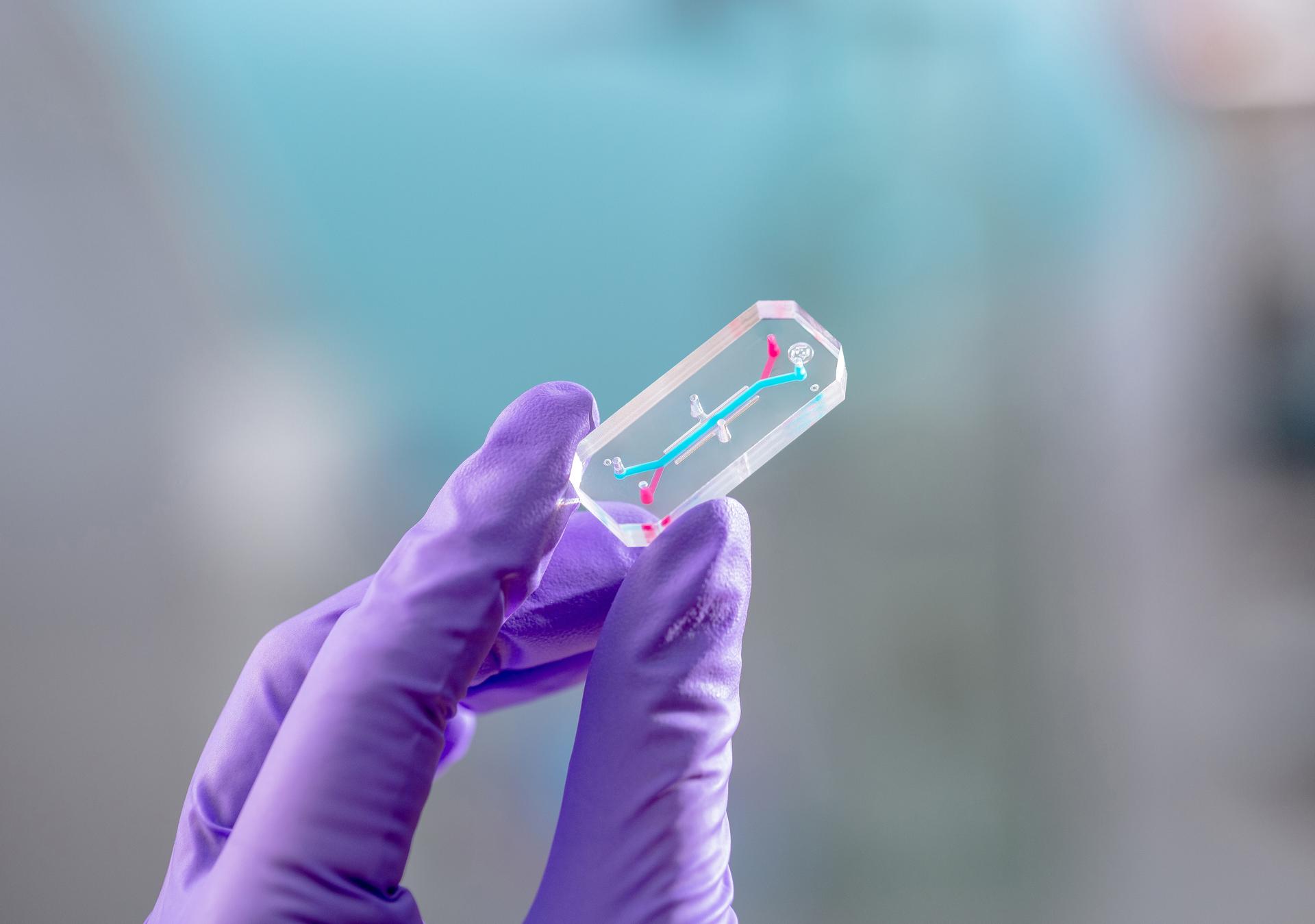
The AVATAR (A Virtual Astronaut Tissue Analog Response) investigation, already a component of the Artemis II mission, utilizes sophisticated organ-on-a-chip devices. These microfluidic chips, lined with cells from actual astronauts, serve as miniature biological models. The original AVATAR experiment successfully demonstrated the creation of an astronaut analog using these organ chips, generating personalized biological insights. This data is crucial for developing informed medical kits and countermeasures necessary for future deep space journeys. The BPS Digital AVATAR Challenge seeks to build upon this by creating computational models, or digital twins, that can simulate how these organ chips respond to the harsh conditions of space, such as increased radiation and microgravity.
Digital Twins for Personalized Space Medicine
The challenge focuses on developing individualized computational physiological models. These ‘digital twins’ will be iteratively refined with real-world data, integrating environmental, physiological, and multi-omics inputs. This advanced approach will enable scientists to simulate and predict how a specific astronaut might react to the stressors of spaceflight. The proposed digital twin frameworks must be capable of processing diverse datasets and employ established computational biology methods alongside modern digital twin architectures. The ultimate goal is to create personalized, predictive models of astronaut physiology that can anticipate immune and bone marrow hematopoietic responses, distinguishing individual-specific effects from those common to the entire crew. The challenge also emphasizes the need for these models to be continuously updated as new data becomes available, reflecting the dynamic nature of a true digital twin.
Key Dates and Opportunities
The BPS Digital AVATAR Challenge offers a significant opportunity for innovation and collaboration:
- Total Prizes: $150,000
- Registration Open Date: November 16, 2026
- Submission Deadline: February 12, 2027
More information regarding registration, rules, and eligibility can be found at: https://work.crowdplat.com/challenge/bps-digital-twin-challenge
Source: NASA