China is setting its sights on the Moon with ambitious plans to land astronauts on the lunar surface by 2030. This groundbreaking mission, detailed at the Seventh Manned Spaceflight Academic Conference in Beijing, will involve a sophisticated approach utilizing two Long March 10 rockets for a single lunar landing operation.
Mission Architecture and Crew Details
According to Wang Xiang, Deputy Chief Designer of the China Manned Space Engineering and Chief Designer of the Lunar Exploration Engineering, the inaugural manned lunar mission will adopt a rendezvous and docking flight mode in lunar orbit. The mission’s architecture involves launching the lunar lander into orbit first using one Long March 10 rocket. Subsequently, a crewed spacecraft will be launched with astronauts, which will then rendezvous and dock with the waiting lander. Two of the three crew members will descend to the lunar surface in the lander to conduct scientific exploration.
The return journey is equally complex. After completing their surface activities, the astronauts will ascend from the Moon in the lander to achieve a second rendezvous and docking with the crewed spacecraft in lunar orbit. The astronauts will then return to Earth aboard the crewed spacecraft.
Technological Advancements and Preparations
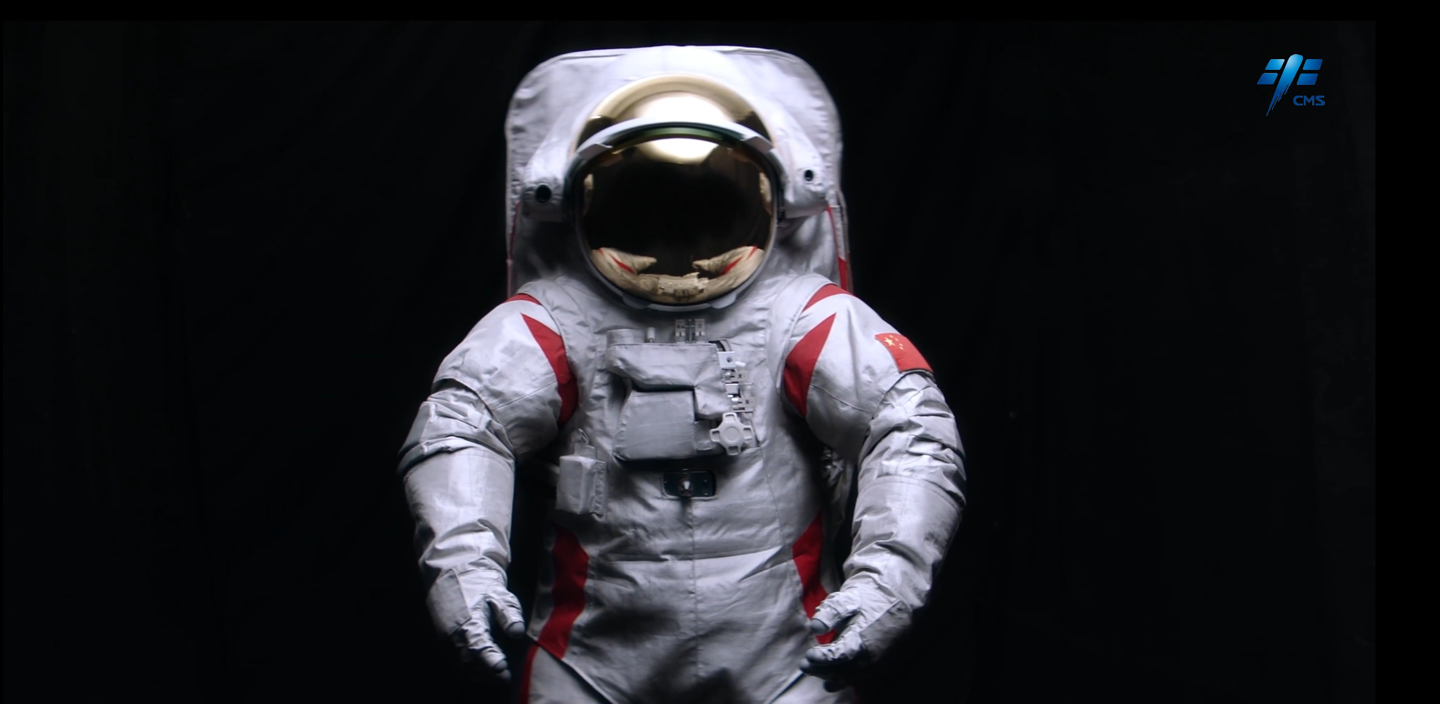
This mission is supported by significant technological advancements, including the recently revealed design of China’s lunar spacesuit, first shown in September 2024. These advanced suits are designed to provide life support and operational capabilities for astronauts performing extravehicular activities (EVAs) on the Moon. They offer comprehensive protection against the harsh lunar environment, including vacuum, extreme temperatures, lunar dust, and radiation. The suits will enable astronauts to perform essential tasks such as walking, climbing, operating lunar vehicles, and conducting scientific research.
Phased Approach to Lunar Exploration
China’s lunar ambitions are being realized through a phased approach. Between 2028 and 2030, the Wenchang Space Launch Site is slated to host three uncrewed circumlunar verification missions followed by the crucial crewed lunar landing mission. This series of launches marks a significant transition for China’s manned space program, moving beyond near-Earth orbit into cislunar space.
The Seventh Manned Spaceflight Academic Conference
The Seventh Manned Spaceflight Academic Conference, held on October 31st at Beihang University in Beijing, served as a platform for discussing the future of China’s space endeavors. The conference convened over 800 experts and scholars from relevant fields, focusing on the theme “Intelligent Gathering in the Starry River, Digital Intelligence Empowering High-Quality Development of Manned Spaceflight.” Discussions centered on cutting-edge technologies, engineering practices, and development needs in manned spaceflight, aiming to foster collaboration and innovation.
Organized by the China Manned Space Engineering Office and co-hosted by the China Manned Space Engineering Operation and Management Support Center and Beihang University, the conference brought together key figures from the manned space program, research institutions, and universities. The two-day event featured keynote speeches by 11 academicians and renowned experts, covering topics such as space station operations, lunar science and exploration, and digitalization in spaceflight. Additionally, 15 sub-forums were dedicated to specific areas, including common technologies for manned spaceflight, near-Earth manned space stations, and lunar exploration engineering, creating a vital platform for sharing research findings and strategic development insights. A total of 364 papers were submitted, with 15 authors recognized for outstanding contributions.
The conference underscored China’s steady progress and strategic vision for expanding its presence in space, with the crewed lunar landing mission representing a major milestone in this ongoing effort.