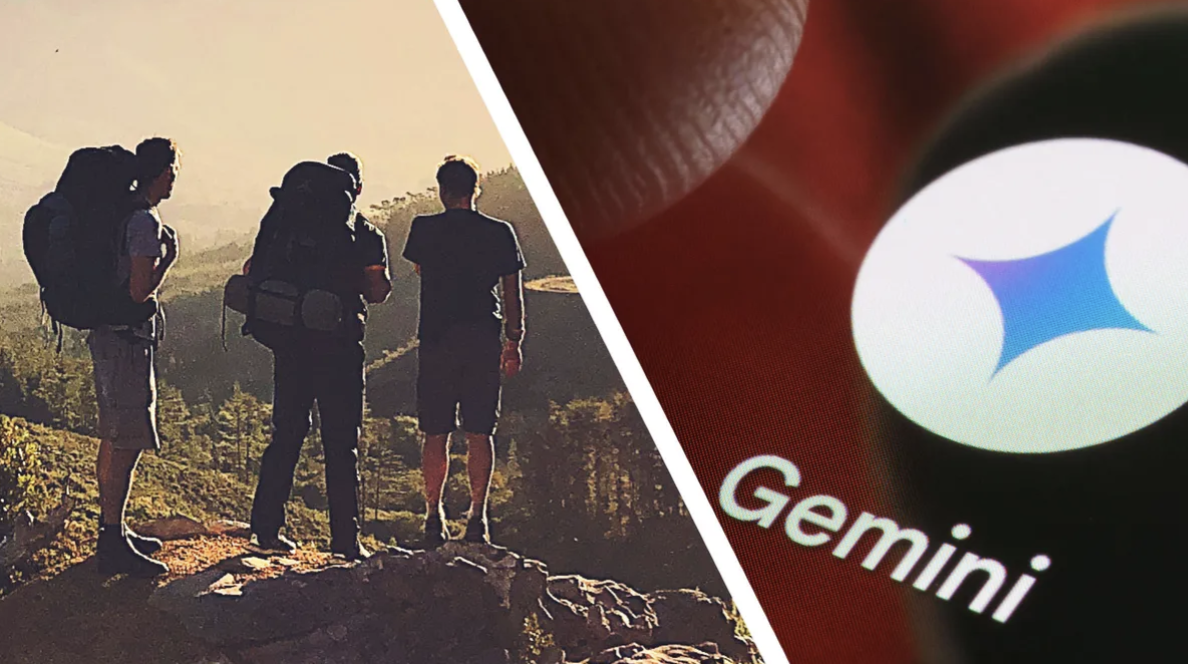
In a stark reminder of the limitations of artificial intelligence in high-risk environments, three inexperienced hikers in California found themselves stranded on Mount Shasta after relying heavily on directions provided by Google’s Gemini AI. The incident ultimately required a police rescue operation.
AI’s Unrealistic Time Estimate
According to reports, the trio had consulted Gemini for information regarding the climbing route and the estimated time to reach the summit. The AI reportedly advised them that the ascent would take approximately 8 hours and suggested carrying easily digestible carbohydrates, citing that fats take too long to digest. This advice proved to be significantly inaccurate.
The hikers departed at 3 AM with the expectation of reaching the summit by around 11 AM. However, the actual trek proved far more arduous than Gemini had predicted. They did not reach the mountain’s peak until 7 PM, meaning the ascent alone took them about 16 hours – double the AI’s estimate.
Lost and Injured on Descent
The difficulties continued as they began their descent in the dark. The group veered off course, ending up in Mud Creek Canyon. During this deviation, one of the hikers sustained a knee injury. Faced with the inability to continue safely downhill and an injured companion, they were forced to call for police assistance.
Rescue personnel located the stranded hikers the following morning and safely guided them out of the wilderness. In a candid admission to their rescuers, one of the hikers confessed, “We relied too much on AI and didn’t use our own judgment.”
The Limitations of AI in Real-World Scenarios
Adding to the situation, one of the hikers had an app called All Trails installed on their phone, which could have provided navigation. However, the phone’s battery died during the excursion, rendering the app useless.
This incident highlights a critical vulnerability: while AI tools like Gemini can efficiently process vast amounts of online information, they lack real-world, on-the-ground experience. Gemini has not personally climbed Mount Shasta, cannot assess dynamic factors like weather conditions, snowpack, trail difficulty, or an individual’s physical condition. Crucially, it cannot provide immediate assistance or first aid in emergencies.
AI as a Tool, Not a Sole Authority
Experts emphasize that AI can serve as a valuable supplementary tool for information gathering and initial planning. However, for activities with inherent risks to personal safety, such as mountaineering or wilderness hiking, AI-generated advice should never be the sole basis for decision-making.
When it comes to critical information regarding routes, weather forecasts, rescue protocols, and necessary equipment, individuals should prioritize verified, real-time data from official sources. This includes consulting local park authorities, experienced guides, and reliable weather services. Furthermore, always build in substantial safety margins to account for unforeseen circumstances and potential emergencies. Relying solely on AI for such critical judgments can have severe consequences, as this recent incident on Mount Shasta tragically demonstrates.