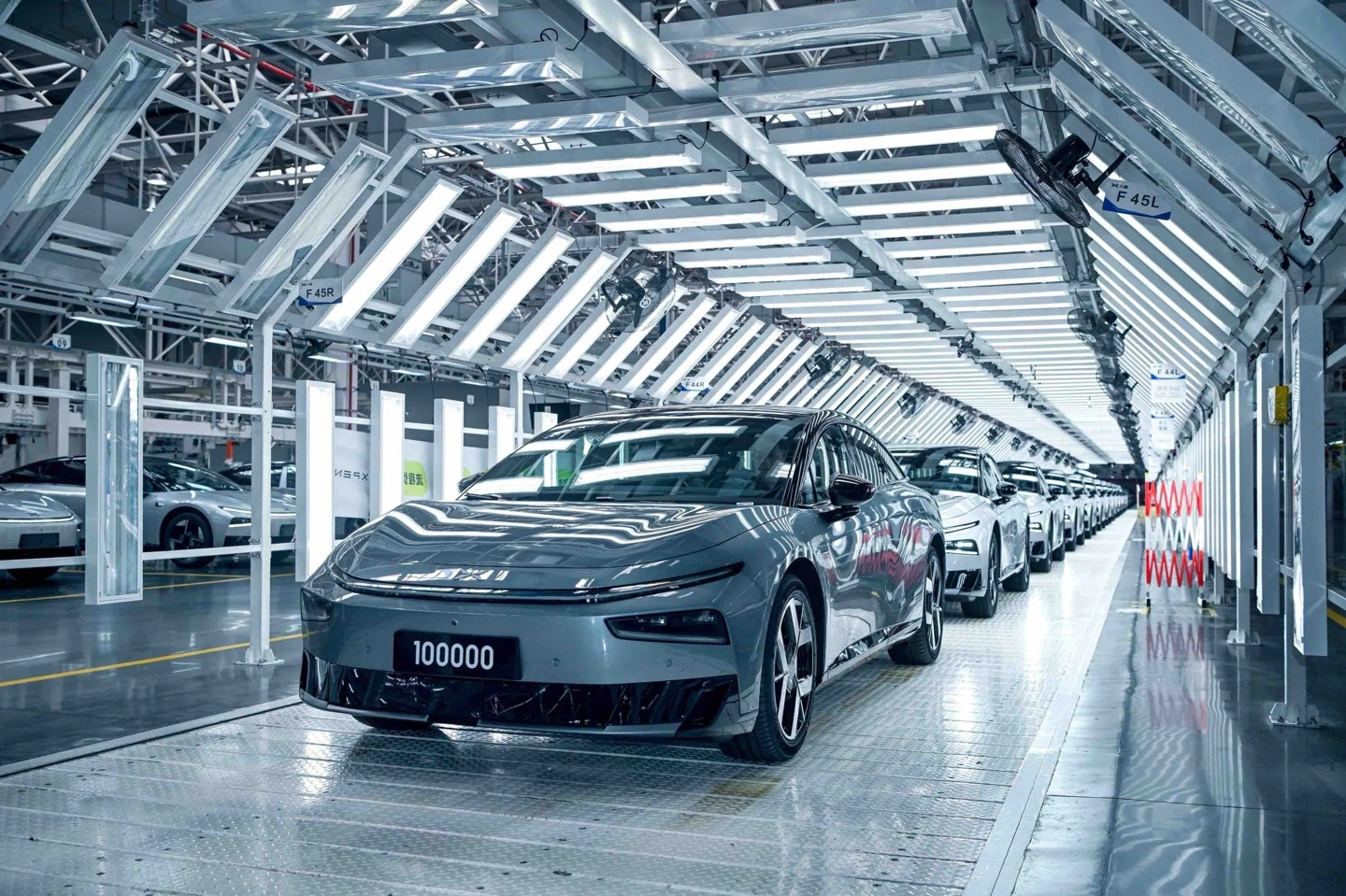
Chinese electric vehicle maker XPeng is reportedly planning to extend its technology licensing beyond its existing partnership with Volkswagen, aiming to tap into new revenue streams by offering its advanced automotive software and hardware solutions to a wider range of international car manufacturers.
XPeng’s Strategic Pivot: Expanding Tech Offerings
According to sources familiar with the matter, XPeng has begun engaging with potential overseas partners who have shown interest in the company’s technological capabilities. The company intends to provide its cutting-edge electronic and electrical architecture, intelligent cockpit systems, XBrain AI chip, and advanced driver-assistance software. This initiative could also extend to collaborations with international software developers and automotive component suppliers.
This move marks a significant step for XPeng as it seeks to leverage its expertise in the rapidly evolving automotive landscape. The company is not only focused on its core EV business but is also exploring opportunities in areas like Robotaxi, humanoid robots, and flying cars. As part of this broader strategy, XPeng is prepared to expand its technology licensing and customization services, potentially including the deployment and operation of Robotaxi services, alongside its physical AI applications.
Leveraging the Volkswagen Partnership
XPeng’s strategic push into technology export follows its significant collaboration with German automotive giant Volkswagen. The partnership, initiated in July 2023, saw Volkswagen acquire a 4.99% stake in XPeng for approximately $700 million. This collaboration spans electric vehicle platforms, software, and the electrical architecture.
The fruits of this partnership are already visible in the joint development of the ID.UNYX (大众ID.UNYX), an all-electric SUV that will feature XPeng’s intelligent cockpit system, intelligent driving technology, and XBrain AI chip. Impressively, the development timeline from collaboration to production for this vehicle is set at just 24 months, with the model slated for mass production in March 2026. This swift development cycle highlights the efficiency and potential of the XPeng-VW collaboration.
Financial Implications and Future Outlook
While XPeng, like many EV startups, has faced profitability challenges in the current fiscal year, the partnership with Volkswagen has already emerged as a crucial new source of revenue, particularly through its technology services. In the second quarter of this year, while vehicle sales revenue remained relatively flat and gross profit margins for vehicles decreased from 14.3% to 12.1%, revenue from services and other businesses nearly doubled.
This surge in service revenue significantly boosted the gross profit margin for this segment, climbing from 53.6% in the previous year to an impressive 75.1%. XPeng’s management attributed this growth primarily to the technical research and development services provided for the Volkswagen collaboration, as well as increased sales of spare parts and accessories.
XPeng’s CEO, He Xiaopeng, has previously expressed optimism about the future profitability of its diversification into physical AI applications. He noted that the profit margins for humanoid robots, for instance, are expected to significantly surpass those of the automotive business. This strategic emphasis on high-margin services and future AI ventures positions XPeng for potential long-term growth and profitability, even as it navigates the competitive EV market.
The establishment of a strategic commercialization team about six months ago further underscores XPeng’s commitment to exploring new commercial opportunities and expanding its technology export business. Building on the successful foundation laid with Volkswagen, XPeng appears poised to become a significant player not just in vehicle manufacturing but also in the global automotive technology solutions market.