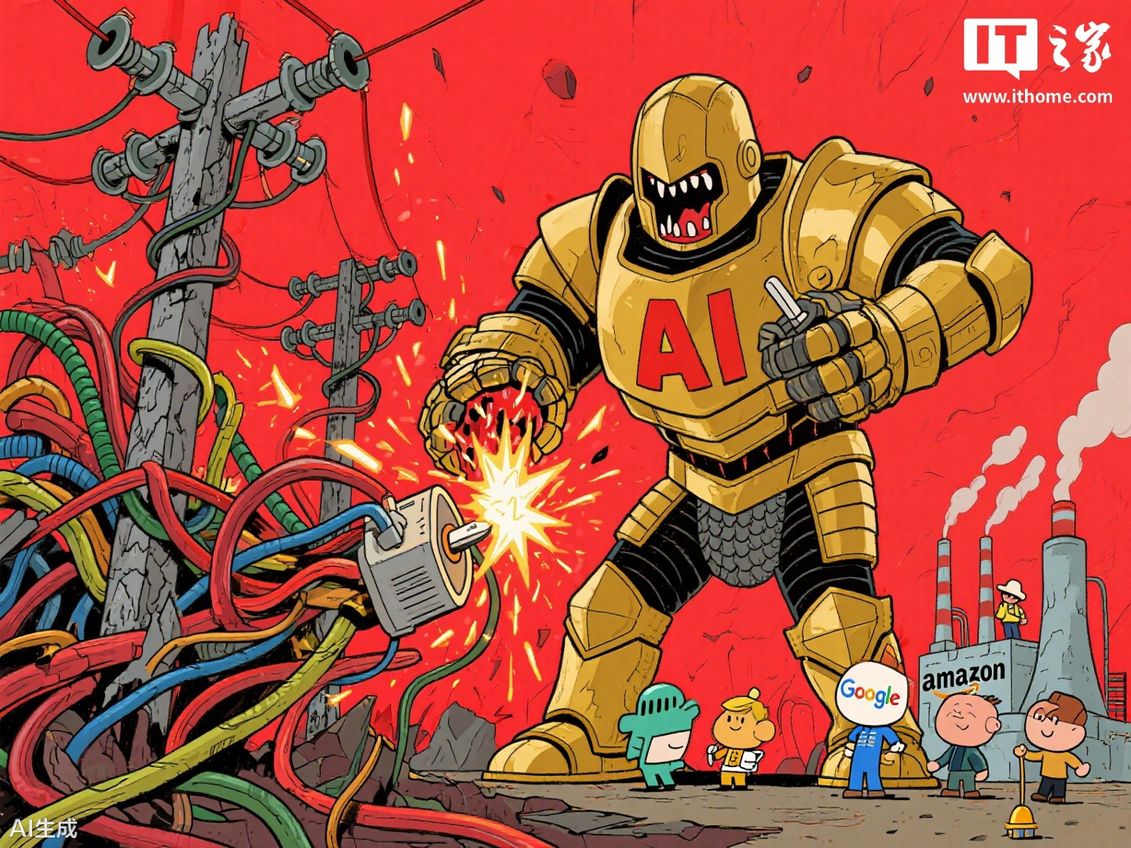
US power grid shortage looming as soon as 2027, reveals Johns Hopkins University research highlighting critical supply chain risks for essential infrastructure. With increasing power demand from AI data centers, electric vehicles, and electrification, the strain on the electrical grid and its equipment is mounting rapidly.
Supply Crunch Threatens Grid Expansion and Stability
A study published in Cell Reports Sustainability by Johns Hopkins University experts forecasts that the United States could experience a shortage of power grid equipment starting in 2027. The shortage stems from limited supplies of critical materials like copper, steel, nickel, aluminum, and manganese necessary for manufacturing transformers, converters, and other vital components. This shortage threatens new power plants and data centers’ connection to the grid, potentially worsening through 2030.
The immediate consequences for consumers and businesses include higher electricity costs and more frequent outages. Researchers Yuri Dvorkin and Boyu Yao highlight how once taken for granted, the supply of grid equipment is now at risk. Even if new generation capacity is built, delivering power depends on available infrastructure components.
Rising Demand and Aging Infrastructure Compound the Challenge
Electricity use in the US has historically grown 1% to 2% annually but is expected to surge by 21% by 2030 due to AI data centers, electric vehicles, and broader electrification. Data centers alone may account for two-thirds of the anticipated equipment shortfall. The American Electrical Manufacturers Association projects power demand may exceed 50% growth by 2050. Most transmission lines are over 20 years old, indicating significant investment is needed for new capacity and modernization.
Supply gaps will appear first for copper as early as 2027, with steel and nickel shortages likely by 2030. Transformers and other essential grid hardware could see supply deficits near 15% and 30%, respectively, worsening if trade disruptions reduce raw material imports by up to 70%. Even moderate demand increases could leave a 16% gap in equipment availability.
The Department of Energy pledged $1.9 billion this year to upgrade transmission lines, but experts estimate the grid requires around $1 trillion investment by 2035 to meet demand and replace aging assets. Transformers, often custom-made, face shipment delays growing from six months to over two years, while only one US steel mill produces the specialized electrical steel required.
To mitigate shortages, researchers recommend deploying low-cost sensors to monitor transformer load in real time, recycling materials from retired equipment, and standardizing transformer designs to allow interoperability and more efficient use of existing resources.