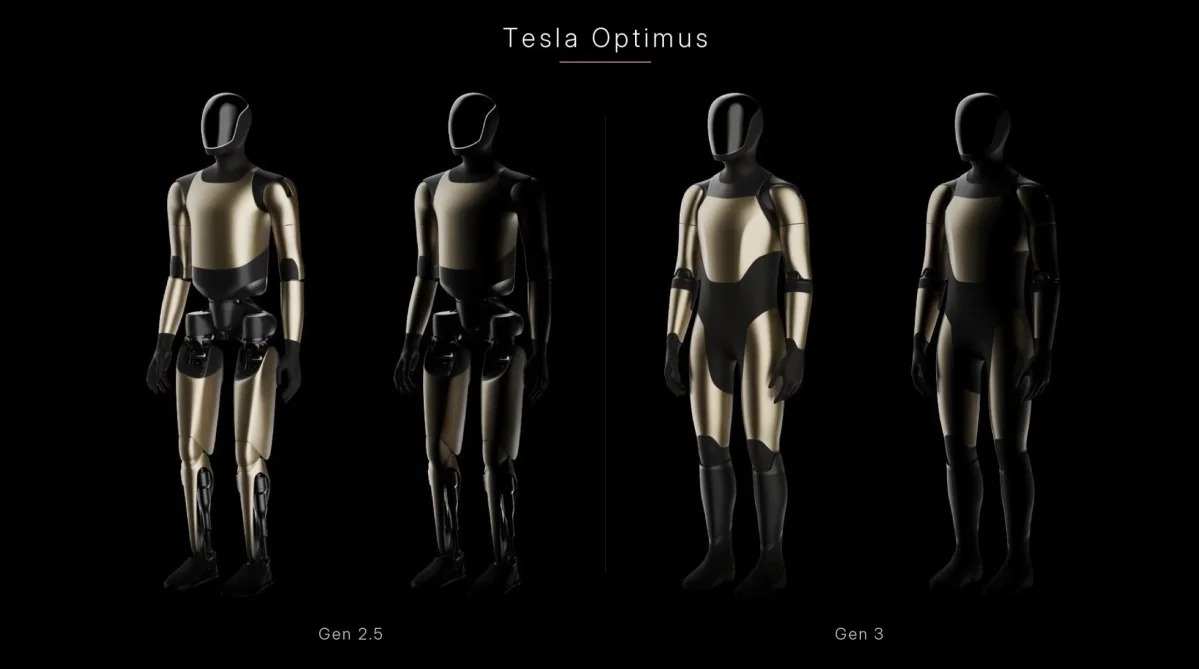
Tesla has significantly ramped up production of its Optimus humanoid robot in recent months, increasing output approximately tenfold from its previous levels. However, the company continues to grapple with the complex challenges of achieving stable, large-scale mass production.
Production Surge Amidst Persistent Challenges
Sources close to the Optimus project have revealed that Tesla’s production lines are encountering obstacles related to the robot’s intricate hand design, automation equipment, and supplier limitations. Despite these hurdles, production has seen a substantial increase. According to individuals familiar with the manufacturing process, weekly robot output rose from just dozens in the second quarter’s small-batch testing to several hundred in the past month. Management has set an ambitious goal for employees to establish a fully automated production line capable of continuously operating and producing over 1,000 robots per week by the end of the year. This target, while a significant leap, is still far from Tesla’s ultimate aim of producing around 20,000 units weekly.
Optimus: A Strategic Vision
Tesla CEO Elon Musk has repeatedly emphasized the critical importance of Optimus, envisioning it as the company’s most significant future product. Musk believes that humanoid robots will eventually undertake a wide array of tasks, from manufacturing and data center maintenance to everyday chores like cooking and cleaning. Currently, Tesla’s revenue is predominantly driven by its automotive sales. Musk sees Optimus as a key enabler for the company’s further transformation into an artificial intelligence enterprise.
Evolving Timelines and Development
The development roadmap for Optimus has seen several adjustments since its initial announcement. Less than a year after the humanoid robot project was officially unveiled in 2022, Musk suggested that Optimus could be ready for production as early as the following year. In January of this year, Musk indicated during the World Economic Forum that the company might begin selling Optimus by the end of 2027. By April, he revised this, stating that a new version would likely be showcased mid-year. However, the middle of the year has passed without a public demonstration from Tesla.
Acknowledging Mass Production Complexity
Musk himself has acknowledged the inherent difficulty in mass-producing Optimus. During a Q3 earnings call in July, he admitted that manufacturing the robot is an extremely complex problem requiring significant breakthroughs, and scaling up production presents substantial challenges. At that time, he predicted that Optimus would begin production “soon.”
The Path to Commercial Viability
Significant work remains before Tesla can deliver robots ready for customer sale. Sources indicate that the Optimus V3 units rolling off the Fremont factory floor are not the final versions intended for commercial customers. Tesla is actively refining the sales version, which must meet stringent durability and reliability standards before commercialization. The V3 model, described by individuals familiar with its design, is lighter than its predecessors, features more cameras, and boasts a more human-like appearance.
Internal Testing and Gradual Expansion
Most of the Optimus robots currently produced are utilized internally for testing, training, and data collection, including at Tesla’s office in Palo Alto, California. In a controlled environment within Tesla factories, these robots perform specific, pre-programmed tasks under close human supervision. They are not operating as general-purpose robots or being remotely controlled by personnel. As the Optimus’s performance improves and stabilizes, Tesla plans to gradually expand the scope of their operational duties.
Leasing Model and Data Utilization
Initial plans suggest that Tesla intends to lease Optimus robots to external commercial clients rather than selling them outright. This leasing model would allow Tesla to recall the robots after the rental period for upgrades or refurbishment. Furthermore, Tesla aims to leverage the data collected by Optimus in customer factories and warehouses to enhance its AI systems. The company has reportedly compiled a shortlist of potential clients whose factory or warehouse layouts are similar to Tesla’s, facilitating easier adaptation of Optimus to new work environments.