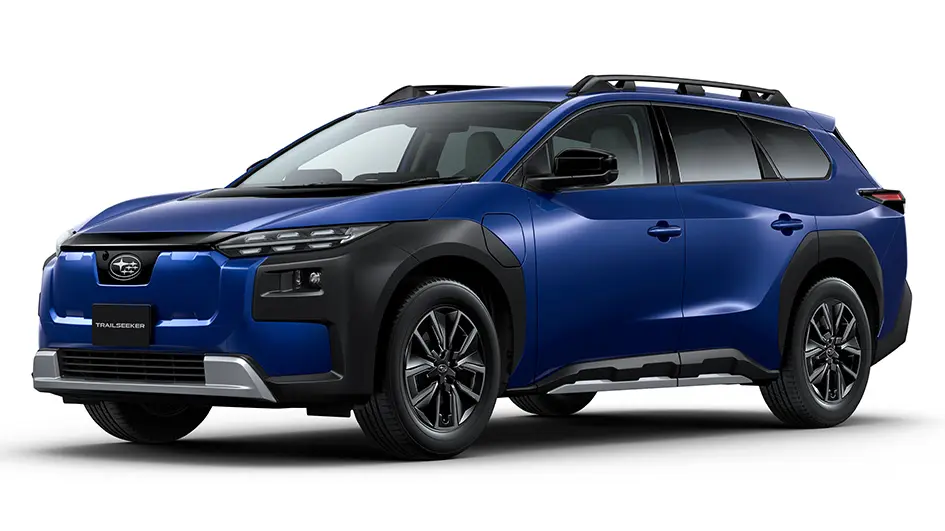
Subaru is gearing up for a significant transformation in its vehicle development process, aiming to cut the R&D cycle for its next-generation models by a substantial 40% before the end of this decade. The Japanese automaker plans to achieve this ambitious goal by heavily investing in digital design and testing technologies, including replacing a large portion of physical crash tests with advanced digital simulations.
Embracing the Digital Future
In the coming years, Subaru intends to introduce software-defined vehicles that support remote software upgrades, a move that aligns with the industry’s shift towards more connected and adaptable automobiles. The core of their strategy to accelerate development lies in a greater adoption of digital tools. Traditionally, car manufacturers rely on numerous physical crash tests to ensure vehicle safety. Subaru believes that by leveraging historical data, digital simulations can yield results comparable to real-world tests, thereby reducing the need for expensive and time-consuming physical trials.
Tomoaki Watarai, an executive officer at Subaru, expressed enthusiasm for the potential of digital technology to dramatically enhance automotive development efficiency. He emphasized that Subaru will continue to prioritize its long-standing strengths in vehicle safety, driving pleasure, and the flexibility of its R&D operations. This digital push is also a response to the intensifying competition in the global automotive market. With Chinese automakers rapidly increasing their pace of new model introductions and emerging players like Tesla setting new benchmarks, Subaru recognizes the need to adapt and improve its own agility to better meet evolving consumer demands and optimize R&D costs.
“Chinese automakers and emerging companies like Tesla have things we can learn from,” Watarai stated. “Going forward, we will focus on improving our own flexibility.”
Platform and Powertrain Advancements
Beyond the digital transformation of testing, Subaru is also focusing on refining its existing platforms and powertrains. For its gasoline and hybrid vehicles, the company plans to enhance the current Subaru Global Platform, with a target of reducing weight by 100kg compared to current designs. This weight reduction is crucial for improving fuel efficiency and overall vehicle performance.
Engine development is also set for a significant overhaul. Subaru plans to leverage its accumulated expertise in turbocharging and combustion technology, honed through its experience with horizontally opposed engines. The ultimate goal is to increase the thermal efficiency of its engines by 50%. To streamline its efforts and concentrate resources on next-generation products, Subaru aims to halve the number of engine variants currently offered.
Strategic Shift in Development
The proposed changes are part of a broader industry trend where manufacturers are striving to shorten development cycles. This acceleration allows companies to respond more quickly to market shifts and consumer preferences, while also contributing to cost savings in the long run. By integrating digital simulation into the core of its testing procedures and fostering a more collaborative work environment where partner company employees and Subaru’s R&D staff can work side-by-side, Subaru anticipates a significant reduction in the time it takes to bring new models from concept to production.
This strategic pivot underscores Subaru’s commitment to innovation and its determination to remain competitive in a rapidly evolving automotive landscape. The focus on digital technologies, platform optimization, and powertrain efficiency signals a clear direction for the company’s future product development.