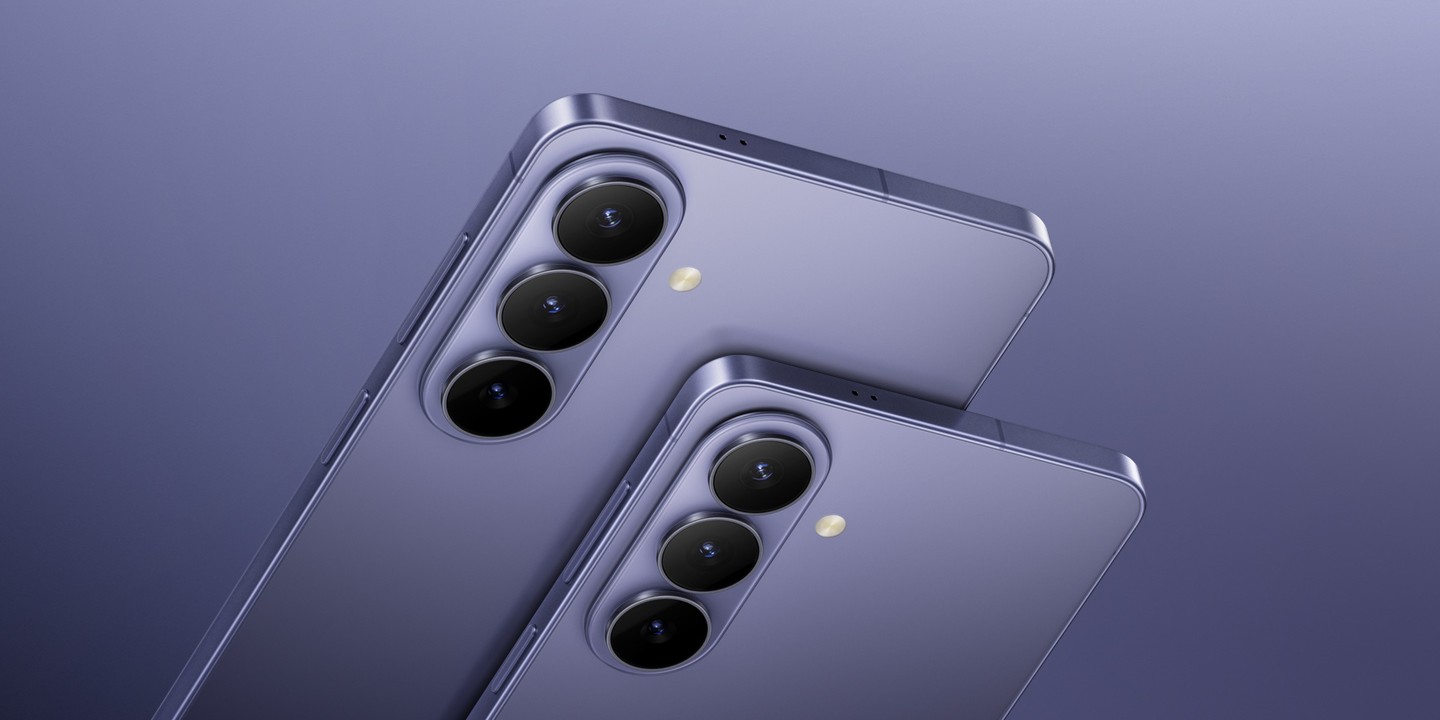
Samsung’s upcoming Galaxy S27 series is set to see a significant shift in its lineup strategy, with reports indicating that the higher-end Pro and Ultra models will account for approximately 70% of the total planned shipments. This move aims to bolster the profitability of Samsung’s Mobile eXperience (MX) business.
Shifting Focus to Premium Models
Traditionally, Samsung’s Galaxy S flagship phones have an annual production capacity of around 35 million units. For the upcoming S27 generation, this figure is expected to remain consistent. However, the distribution within this capacity is changing. The Ultra series, which has consistently been the top-tier offering, is projected to make up about 18 million units, slightly over half of the total production. The notable addition to the S27 lineup is the new ‘Pro’ variant. Positioned as a ‘mini-Ultra,’ the S27 Pro is designed for users who desire premium features in a more compact form factor, without the stylus support offered by the Ultra.
Introducing the S27 Pro
The S27 Pro variant is expected to capture a significant portion of the market, with production plans estimating between 7 to 8 million units. This implies that over 20% of the total production capacity will be allocated to these higher-tier models (Pro and Ultra). This strategic allocation is anticipated to improve the MX business’s profit margins, providing a stronger buffer against the impact of rising material costs.
Potential for Earlier Release?
Further speculation surrounding the Galaxy S27 series includes a potential return to an earlier release window, possibly between January and February. This would align with some of Samsung’s previous launch cycles for its flagship devices. If this schedule holds true, the Pro and Ultra models are also rumored to receive upgrades to LPDDR6 memory and UFS 5.0 storage, further cementing their premium positioning.
Chipset Expectations
Recent leaks have also provided insights into the potential chipsets for the S27 Pro and S27 Ultra. Reports suggest that the Korean variants of these high-end models may feature the Qualcomm Snapdragon 8 Elite Gen 6 series chipset. The presence of such advanced silicon would underscore Samsung’s commitment to delivering top-tier performance in its flagship devices.
Strategic Implications
By focusing a larger share of production on the Pro and Ultra models, Samsung appears to be refining its strategy to maximize profitability within its smartphone division. This approach leverages the higher average selling prices of premium devices to offset increasing component and manufacturing costs. The introduction of the Pro model offers a new option for consumers seeking flagship quality without the largest screen sizes or stylus functionality, potentially broadening the appeal of the higher-end segment of the Galaxy S27 series.
This strategic pivot, should it materialize as planned, signifies a clear direction for Samsung’s premium smartphone offerings, prioritizing high-margin devices to ensure sustained business health in a competitive global market.