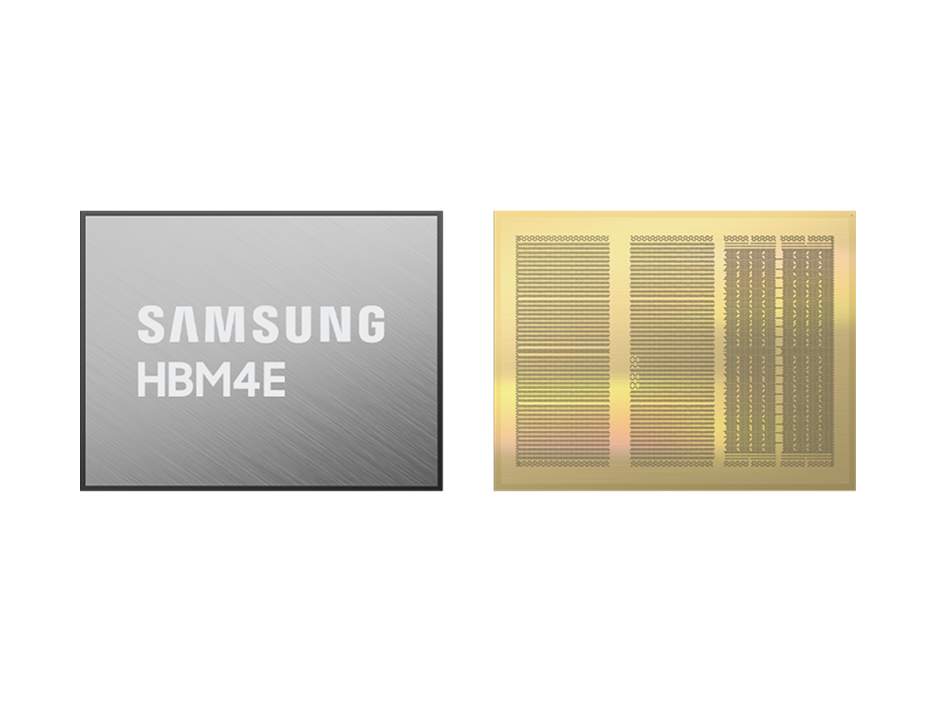
Samsung Electronics is reportedly developing a custom High Bandwidth Memory (HBM) product specifically for NVIDIA. According to a report by the Seoul Economic Daily on August 28th, this new HBM will feature an 8-layer low-stack design and support high pin rates of 17-18Gbps.
Understanding the Technology
This custom HBM, potentially referred to as NVHBM or a variant of HBM4E, presents significant technological advantages. The low-stack design is crucial as it reduces the number of DRAM dies needed, thereby improving production yield. This, in turn, leads to lower manufacturing costs and increased supply volume. Simultaneously, the higher data transfer rates (17-18Gbps) aim to address the persistent “memory wall” issue faced by AI accelerators, ultimately boosting their overall throughput.
Samsung’s Strategic Advantage
Samsung’s unique position as both a memory manufacturer and a foundry allows it to offer end-to-end custom HBM development capabilities. This integrated approach provides a distinct advantage in designing the base die and ensuring seamless compatibility between the base die and DRAM dies. This capability is vital for creating specialized memory solutions that meet the demanding requirements of partners like NVIDIA.
Industry Trends and Implications
The development aligns with broader industry trends, including NVIDIA’s reported adjustments to its HBM4 memory requirements, with a greater emphasis on the 8Hi low-stack configuration. As AI continues its rapid advancement, the demand for high-performance, efficient memory solutions like advanced HBM is expected to grow exponentially. Samsung’s proactive development of these custom solutions positions it as a key player in the evolving AI hardware ecosystem.
While Samsung previously showcased HBM4E memory supporting up to 16Gbps pin rates, this new custom development for NVIDIA represents a further step in pushing the boundaries of memory performance. The collaboration underscores the critical partnership between leading chip designers and memory manufacturers in driving the future of artificial intelligence and high-performance computing.